50 Parenting Habits for Resilient Kids
Parenting habits for resilient kids do not need to be dramatic or complicated. Small, repeatable choices around boundaries, connection, independence, routines, and communication can shape everyday family life over time.
This is the broader parenting-habits guide on Happy Kids Life. If you want step-by-step help for difficult daily moments, see our simple parenting tips guide, which focuses more closely on routines, clear requests, limits, and calmer conversations.
Use the ideas below as a menu rather than a checklist. Choose a few parenting habits for resilient kids that fit your child’s age, abilities, temperament, and your family’s circumstances.
- Setting limits and boundaries helps kids feel safe and teaches them how to navigate the world.
- Spending quality time with your child builds trust, strengthens your bond, and supports emotional well-being.
- Being a good role model shows your child how to behave with kindness, honesty, and respect.
Set Smart Limits and Predictable Boundaries
Among the most useful parenting habits for resilient kids are clear limits that children can understand and predict.
Consistent boundaries are among the most practical parenting habits for resilient kids because they make expectations easier to understand.
Clear limits are one part of parenting habits for resilient kids, especially when expectations are consistent and understandable.
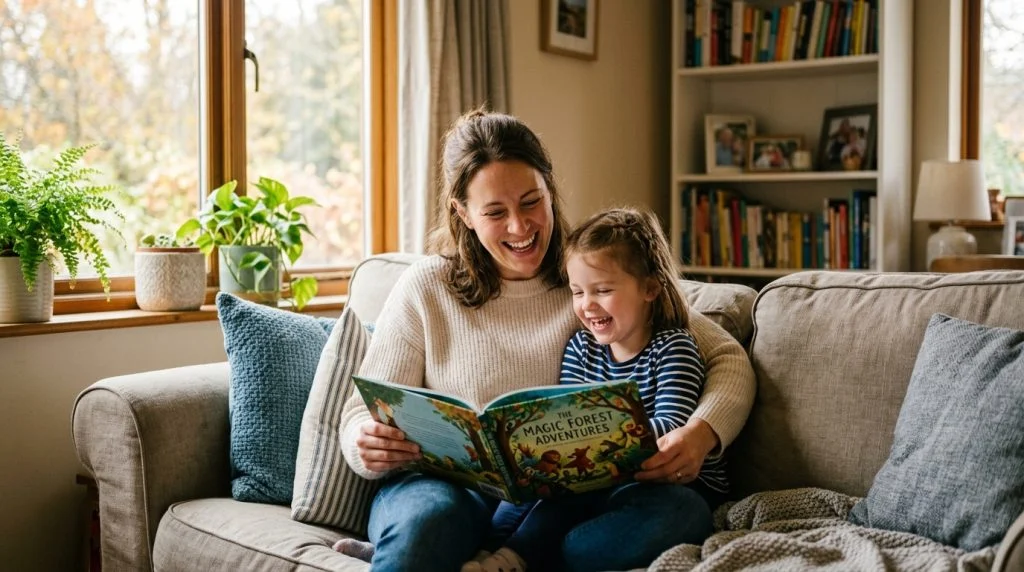
Take charge. Kids crave structure — clear limits help them understand and manage an often-confusing world. Setting boundaries is one way of showing love, giving children room to explore safely.
Let them do it themselves. A toddler’s whole mission is gaining independence. Once they’re capable of putting toys away, clearing their plate, or getting dressed, let them — it builds self-esteem (and saves you some effort too).
Resist the urge to fix everything. Give young kids room to work through small frustrations on their own. Stepping back — rather than rushing in to rescue them — teaches self-reliance and resilience.
Remember discipline isn’t punishment. Enforcing limits is about teaching kids how to navigate the world, not about punishing them.
Pick your battles. Kids tune out when faced with too many rules. Skip the fights over minor things like clothing choices, and save your energy for what really matters — no hitting, no rudeness, no lying.
For more practical ideas you can use throughout the day, explore these simple parenting tips for making everyday family life easier.
Make Time for Real Connection
Let them lead playtime. Follow your child’s chosen activity and go with the flow instead of imposing rules — the bonding happens in the shared fun, not in being “the fun parent.”
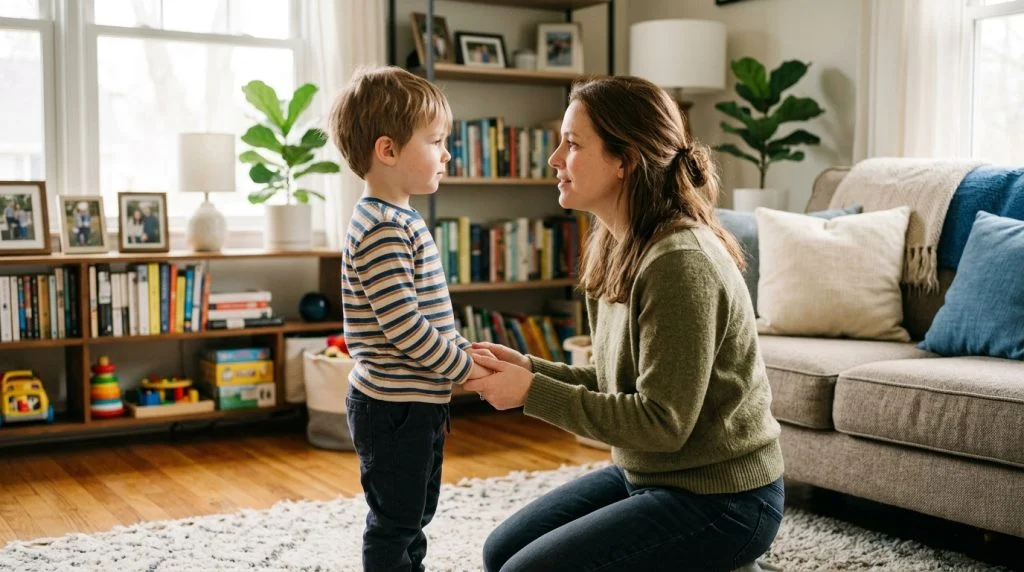
Read together daily. Start when they’re a newborn. Babies love the sound of a parent’s voice, and daily reading builds both connection and a lifelong love of books.
Carve out daily one-on-one time. Even 10 to 15 minutes of undistracted, child-led time each day sends a powerful message of love.
Prioritize family time. Engaged parental time is linked to kids doing better in school, solving problems more effectively, and coping better with challenges.
Create traditions. Kids may not remember what you said to them, but they’ll remember the routines and rituals — bedtime stories, game nights — that became part of family life.

Be the Role Model They Deserve
Model the behavior you want to see. Kids learn far more from watching their parents than from being told what to do.
Own your mistakes. Apologizing when you get it wrong teaches your child how — and when — to do the same.
Live sustainably. Show kids how easy it is to care for the environment through small daily habits like recycling and reducing waste.
Always tell the truth. Model the honesty you want your child to practice.
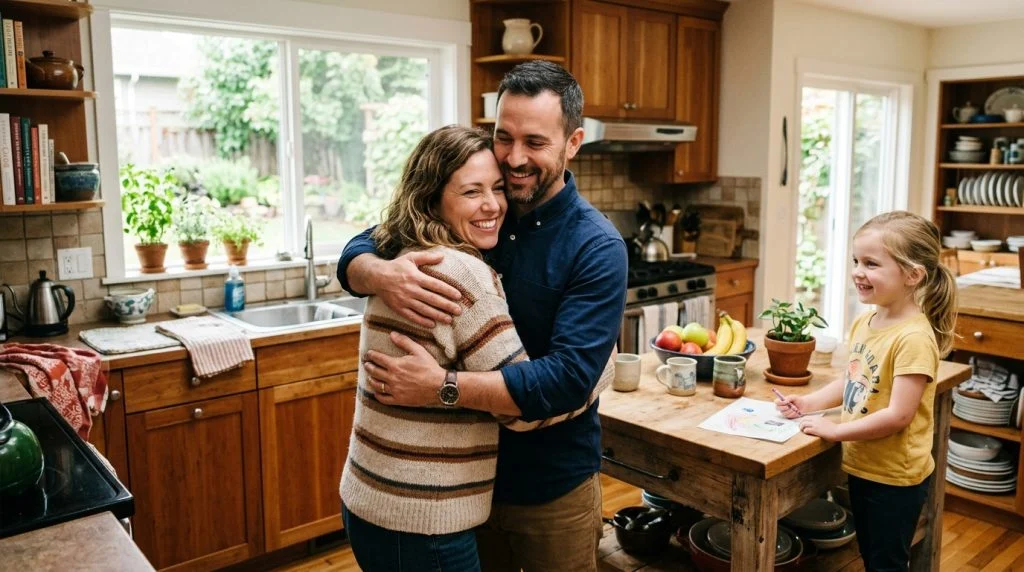
Show affection between partners. Kissing and hugging your partner in front of your kids models what a healthy, loving relationship looks like.
Respect co-parenting differences. Support your co-parent’s overall approach unless it’s genuinely harmful — visible conflict does more damage to a child’s sense of security than small differences in style.
Praise the Right Way
Be specific with praise. Instead of a generic “you’re great,” point to exactly what they did — “I really liked how patiently you waited for me to finish my call.”
Notice the good stuff out loud. When your child does something kind or helpful, tell them how it made you feel — it reinforces the behavior.
Let them “overhear” your praise. Compliments shared with someone else — a partner, a grandparent — and accidentally overheard often land more powerfully than direct praise.
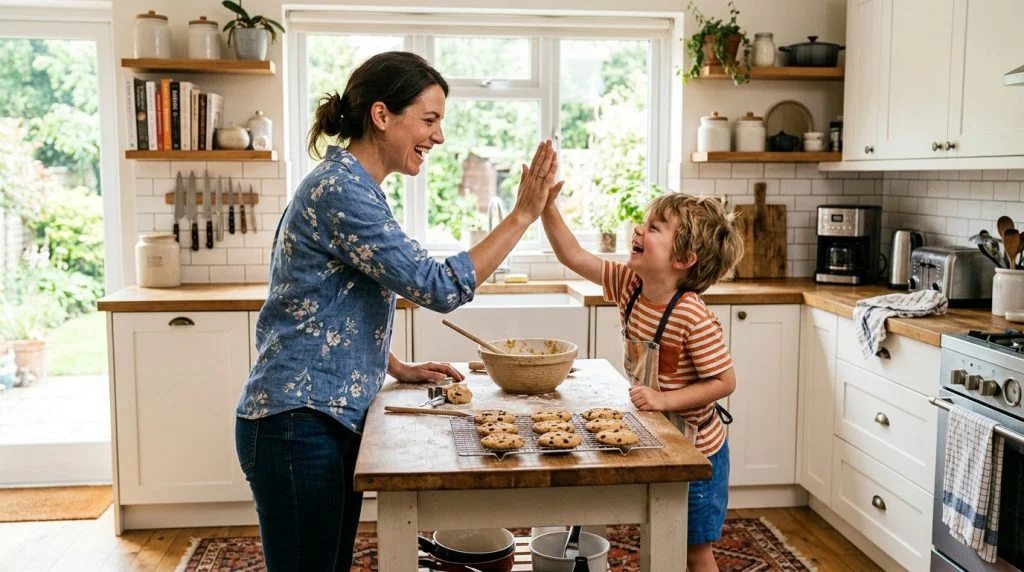
Trust Yourself as a Parent
Give yourself grace. A drive-through dinner on an exhausting night doesn’t make you a bad parent.
Trust your instincts. No one knows your child better than you — if something feels off, it probably is.
Learn to say no. Protecting time with your kids is never something you’ll regret.
Don’t accept disrespect. Calmly but firmly let your child know that rude or hurtful behavior toward you or others isn’t acceptable.
Get everyone on the same page. Loop in co-parents, grandparents, and caregivers so the values and expectations you’re teaching stay consistent across the board.

Teach Social Skills Early
Ask three “you” questions a day. Prompt real conversation with questions like “What was your favorite part of school today?”
Teach eye contact as a confidence trick. Encourage kids to notice the color of someone’s eyes when talking to them — it naturally builds assertiveness and confidence.
Talk through big emotions. After a meltdown passes, ask “How did that feel?” and “What would help next time?” — then really listen.
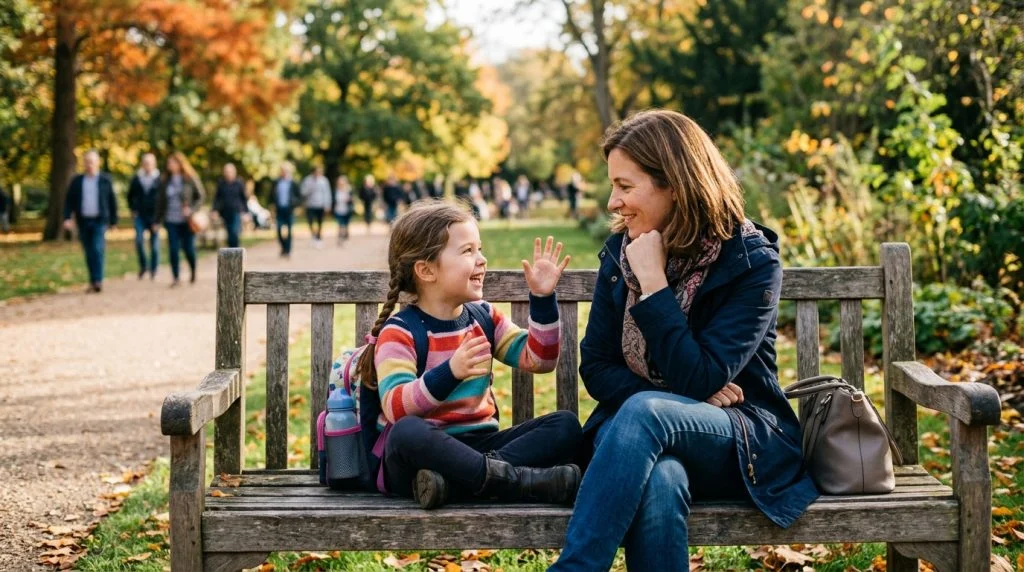
Raise Grateful, Grounded Kids
Show them what giving back looks like. Volunteering as a family builds a child’s sense of purpose and self-worth.
Avoid overindulging. Every child is precious, but no child is the center of the universe — and treating them accordingly helps them grow into considerate adults.
Talk about kindness often. Even during a bedtime story, ask your child whether a character was being kind or unkind, and why.
Explain why values matter. Being kind, honest, and respectful doesn’t just make others feel good — it helps your child feel good about who they are.
Start a gratitude ritual. A nightly “gratitude circle” at dinner, where everyone shares someone who was kind to them that day, builds an appreciation habit that sticks.

Take the Pressure Off Mealtime
Keep offering new foods. Kids often need to be offered a new food six, eight, or even ten times before deciding whether they like it.
Skip the food battles. Kids generally know how much they need to eat — forcing a clean plate isn’t necessary.
Eat together when you can. Even one shared family meal a day gives everyone a relaxed moment to connect and helps build healthy eating habits.
Let them take charge sometimes. Letting your child choose (and help cook) dinner once a week builds confidence and curiosity around food.

Say “I Love You” Often
Love equally, treat individually. Every child deserves love — and to be seen as their own person.
Say it as often as you feel it. You cannot spoil a child with too much affection or too many hugs.
Savor the small moments. Parenting is exhausting and the to-do list never ends — but a single laugh from your kid is worth pausing for.
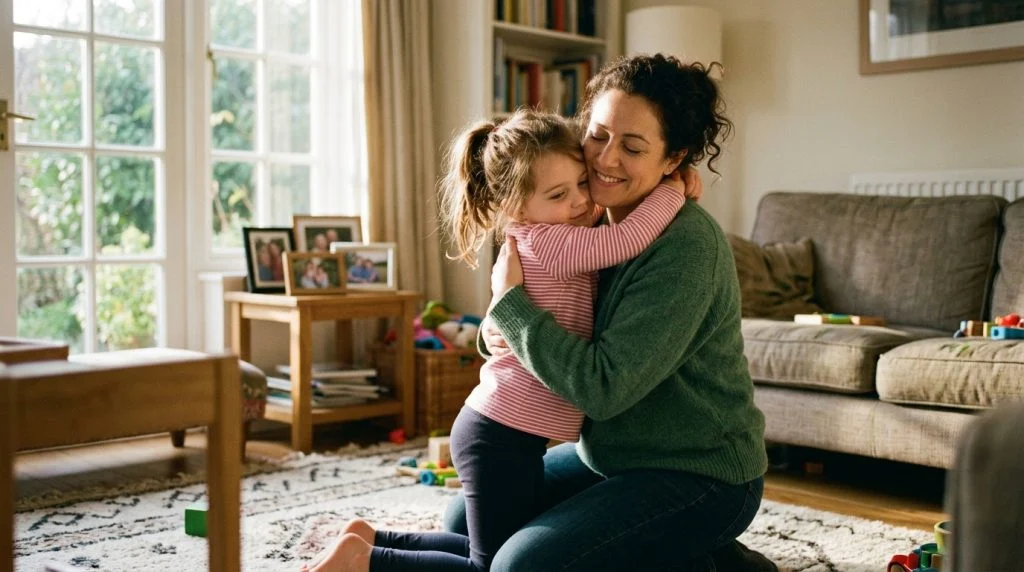
Support Brain Development and Physical Activity
Try baby sign language. Simple signs help babies communicate needs and feelings before they have the words, cutting down on frustration for everyone.
Keep screens out of the bedroom. Kids with a TV in their room tend to weigh more, sleep less, and score lower academically and socially.
Keep them moving. Tummy time for babies, walking instead of stroller rides for toddlers, and regular exercise for older kids all support healthy brain development.
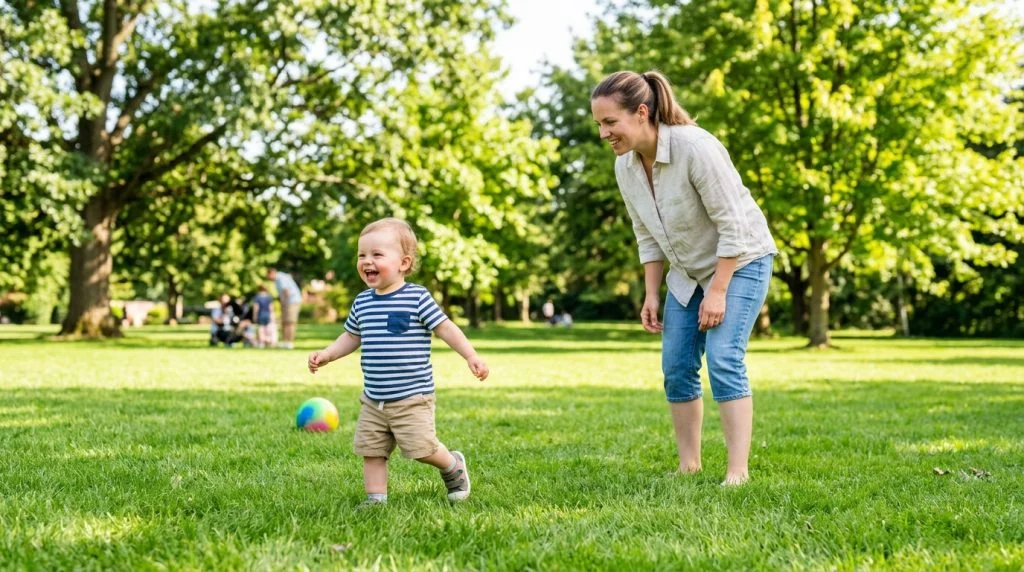
Stay on Top of Health Basics
Keep vaccinations current. Preventable disease outbreaks still occur, making routine vaccination an important habit.
Build a dental routine early. Regular brushing and age-appropriate dental care can support oral health. Follow your child’s dentist or pediatric guidance for toothpaste amount and other individual needs.
Prioritize safety at home. Babyproof thoroughly (including anchoring furniture to walls), never leave a child under 5 unattended in the bath, install car seats correctly, and enforce helmet use.
Follow your pediatrician’s guidance on antibiotics. Antibiotics are used for certain bacterial infections, not viral illnesses. Ask a qualified clinician what is appropriate for your child’s symptoms and situation.
Build a consistent sun-safety routine. Use age-appropriate sun protection based on your child’s activities, local conditions, and guidance from a qualified health professional.
Use a consistent, safe sleep routine for babies. Infant sleep needs and settling patterns vary, so follow current safe-sleep guidance and discuss persistent sleep concerns with your pediatrician.
Watch for potty-training readiness. Readiness can show up in several ways, such as awareness of toileting, interest in the process, or longer dry periods. Timing varies from child to child.

Final Thoughts on Parenting Habits for Resilient Kids
Choose a few parenting habits for resilient kids that feel realistic for your family and repeat them consistently before adding more.
The most useful parenting habits for resilient kids are the ones your family can repeat consistently without expecting perfection.
None of these habits require perfection — just consistency. Small, everyday choices, repeated over time, are what shape confident, resilient, happy kids. Start with one or two that feel most doable for your family, and build from there.
More Practical Parenting Support
These broader parenting habits for resilient kids work best when they are paired with practical steps for routines, transitions, and daily boundaries.
If you want to turn these broader habits into specific actions for school mornings, screen transitions, routines, and everyday boundaries, read our 25 simple parenting tips for calmer everyday moments.