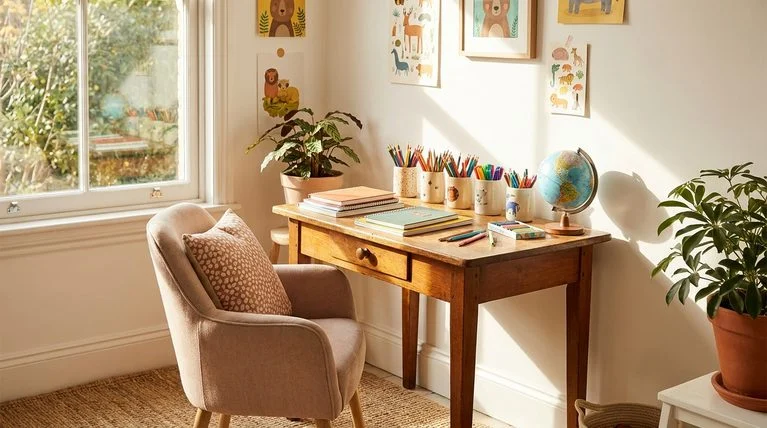
19 Personalized Kids Room Decor Ideas That Feel Truly Theirs
The best personalized kids room decor ideas are the ones that reflect a child’s real interests, collections, artwork, hobbies, and daily routines. Instead of redesigning the whole bedroom, a few meaningful details can make the space feel unmistakably theirs.
These personalized kids room decor ideas focus on display areas, hobby storage, art, collections, lighting, and cozy corners. For broader color, furniture, wall, and storage inspiration, see our kids’ room decor ideas.
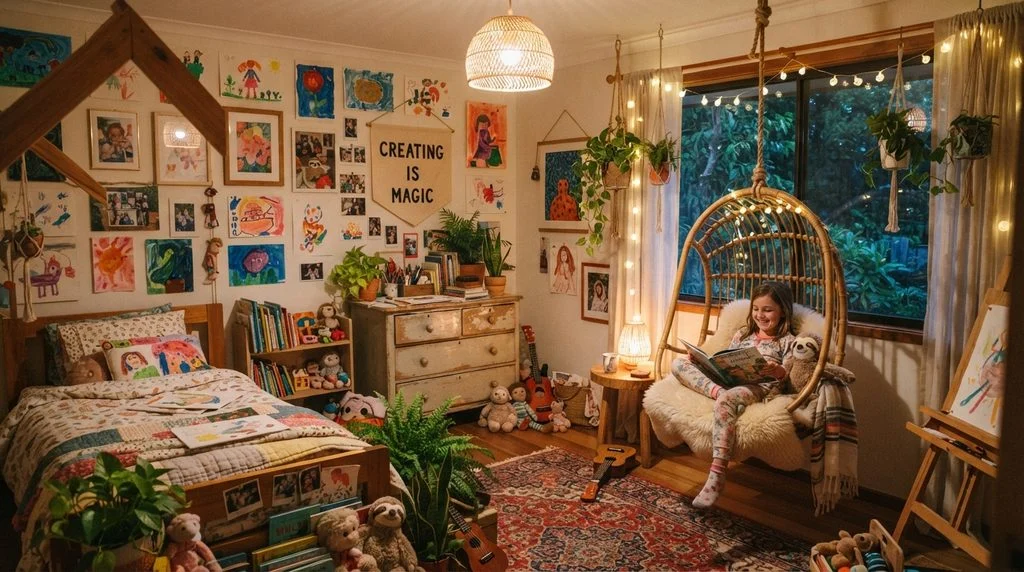
Quick Safety Check Before Personalizing the Room
Even the best personalized kids room decor ideas need a safety check. Before mounting, hanging, or displaying anything, consider the child’s age, how the room is used, and whether an item could be climbed on, pulled down, swallowed, wrapped around the neck, or placed too close to a heat source.
- Anchor tall or unstable furniture, display cabinets, bookcases, and desks with hutches using hardware suited to the furniture and wall type. Consult the CPSC furniture-anchoring guidance if you need a starting point.
- Secure shelves, mirrors, instrument holders, and wall displays properly. Keep heavy or breakable objects away from beds and active play areas, and prefer acrylic glazing to glass.
- Keep pushpins, loose high-powered magnets, coin batteries, tiny collectibles, and long cords or loops away from young children. Use cordless window coverings where children sleep or play.
- Treat hanging chairs and ceiling-mounted decor as structural installations. Use rated hardware and qualified help when you are unsure; a low floor chair or cushion corner is the simpler option.
- Choose age-appropriate plants and accessories, secure battery compartments, and store essential oils, plant products, and other potentially harmful liquids locked away.
1. Personalized Kids Room Decor Ideas: Start With a Rotating Art Display
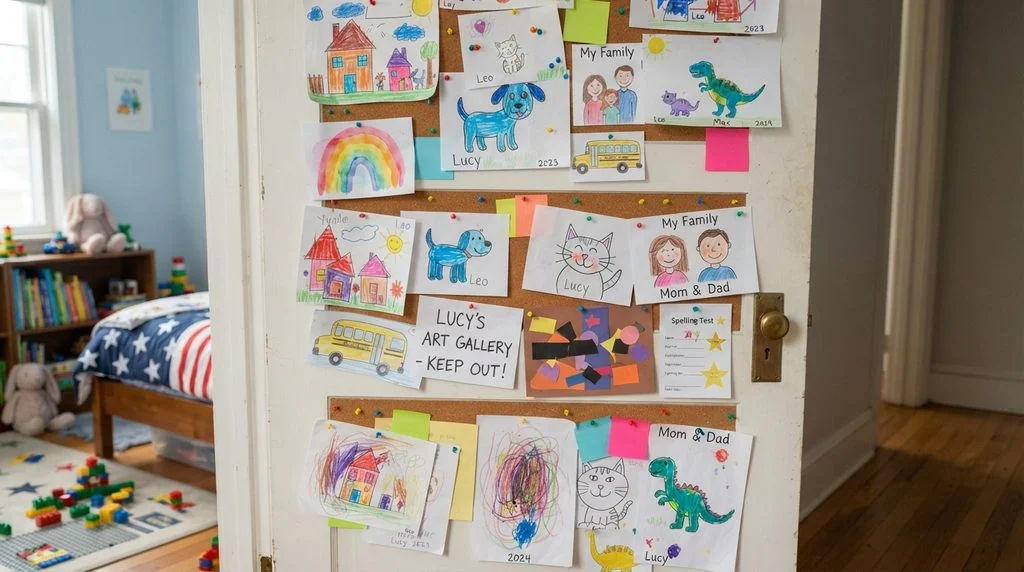
A rotating display lets children choose which school projects, drawings, and photos represent them right now. Limit the display to a manageable number of pieces and keep a folder for the rest, then refresh it together every month or season. A securely mounted cork board can suit older children who manage pins responsibly; for younger children, use front-opening art frames, removable poster strips, or large clip frames so there are no loose sharp pieces.
2. A “Get Ready” Station
Create a compact morning station with a child-height mirror, a stable seat, and one drawer or basket for a brush, hair accessories, and other daily items. A shatter-resistant acrylic mirror is a practical choice for younger children; mount it securely instead of leaning it against the wall. Keep electrical styling tools and long cords elsewhere, and place the station where an open drawer will not block the walkway.
3. A Real Desk for Building, Crafting, and Homework
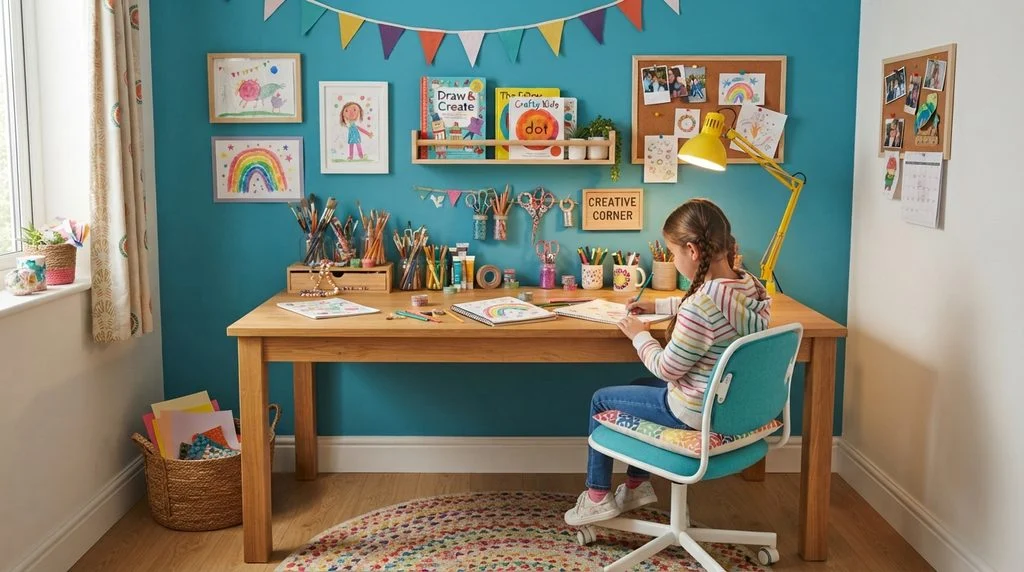
A secondhand desk can create a defined place for drawing, building, homework, or projects without requiring custom furniture. Check used pieces for recalls, loose parts, splinters, peeling finishes, and unstable drawers before bringing them into the room. Anchor any attached hutch, keep the chair size comfortable for the child, and organize supplies in labeled bins. A painted wall panel or removable color block can make the work zone feel personal without committing the whole room to one theme.
4. A Dedicated Spot for Their Collection
Among the most practical personalized kids room decor ideas, a defined home for craft supplies, models, or building sets helps the collection look intentional rather than scattered. Line a cabinet with removable wallpaper, add picture labels, and let the child choose one shelf for current favorites. Secure the cabinet to the wall and keep heavier items on lower shelves. Tiny pieces should stay in closed bins or on a shelf that younger siblings cannot reach.
5. A Display Shelf for Small Collections
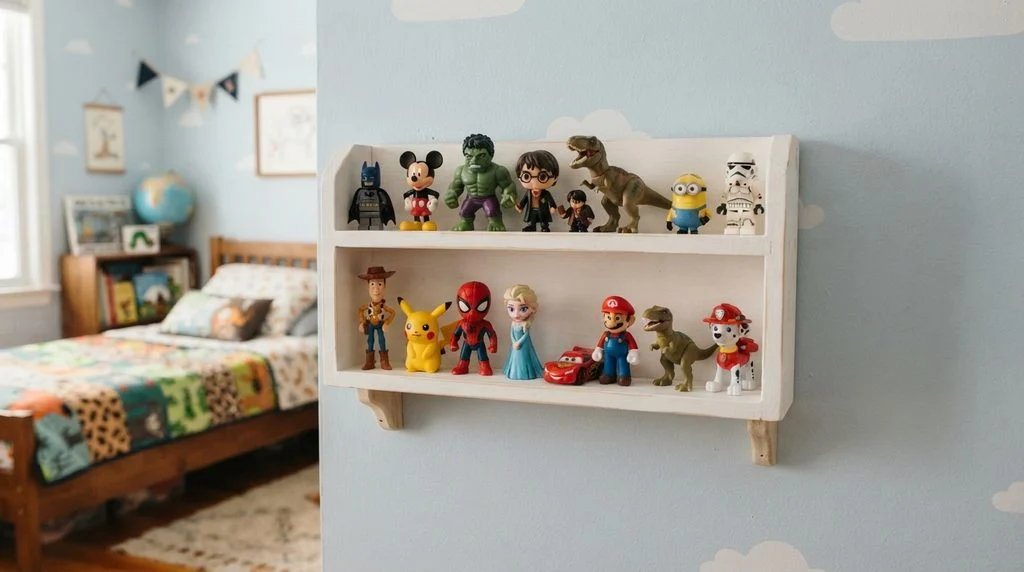
A small shelf turns figurines, rocks, trophies, or handmade models into a curated display rather than a pile. Rotate a few favorites instead of crowding every item onto one surface, and use a shelf with a lip or an acrylic-fronted case where practical. Secure wall shelves with the correct hardware, keep heavy pieces low, and never mount a loaded display directly above a bed. Small collectibles belong out of reach when they could be a choking hazard.
6. A Musical Instrument Holder
Hobby-based personalized kids room decor ideas work best when they remain useful. A ukulele, guitar, or other instrument can become genuine wall art while staying easy to use. Choose a holder rated for the instrument’s weight and install it exactly as directed into suitable framing or anchors. Keep the instrument away from the bed, door swing, and busy walkways, and do not leave straps or cables dangling where a younger child can pull them. If the wall structure is uncertain, a stable floor stand or closed case is the better choice.
7. Posters Hung Directly on the Wall as a Statement
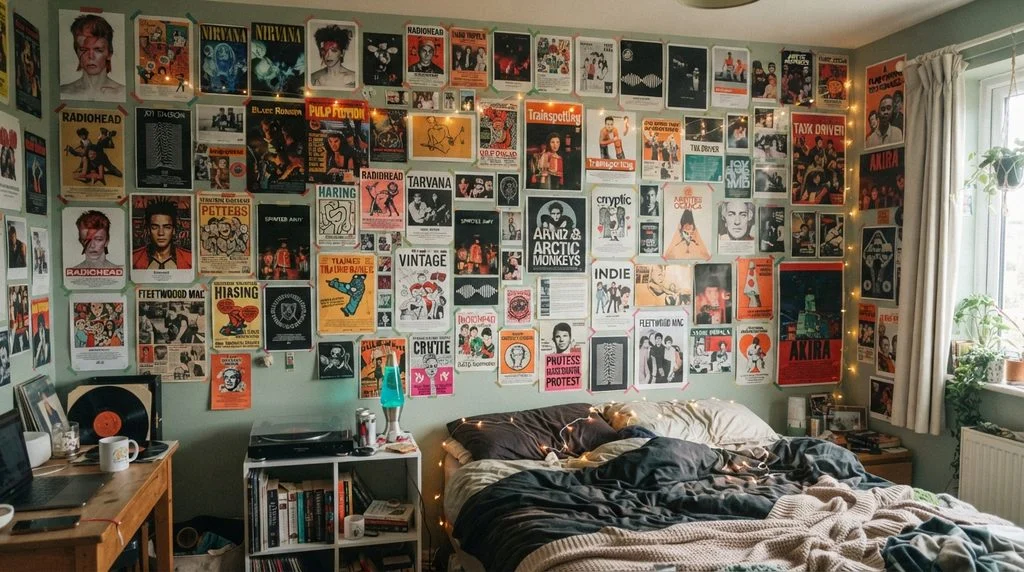
Turn favorite films, teams, animals, books, or places into an intentional poster wall by repeating one color or aligning the edges. Let the child arrange the layout on the floor before anything goes up. Removable poster strips or putty made for painted walls keep the display light and easy to change. Avoid loose pins in rooms used by young children, and reserve heavy frames for properly secured locations away from the bed.
8. A Sports or Hobby Holder
A dedicated sports or hobby zone can hold medals, ribbons, team photos, dance shoes, or carefully chosen equipment. Use a securely mounted rack and place heavier trophies low so they cannot fall from above. Keep balls in a floor basket or enclosed holder rather than on a high open shelf. Long medal ribbons and loops should stay out of reach of toddlers and younger siblings.
9. An Oversized Tapestry as Wall Art
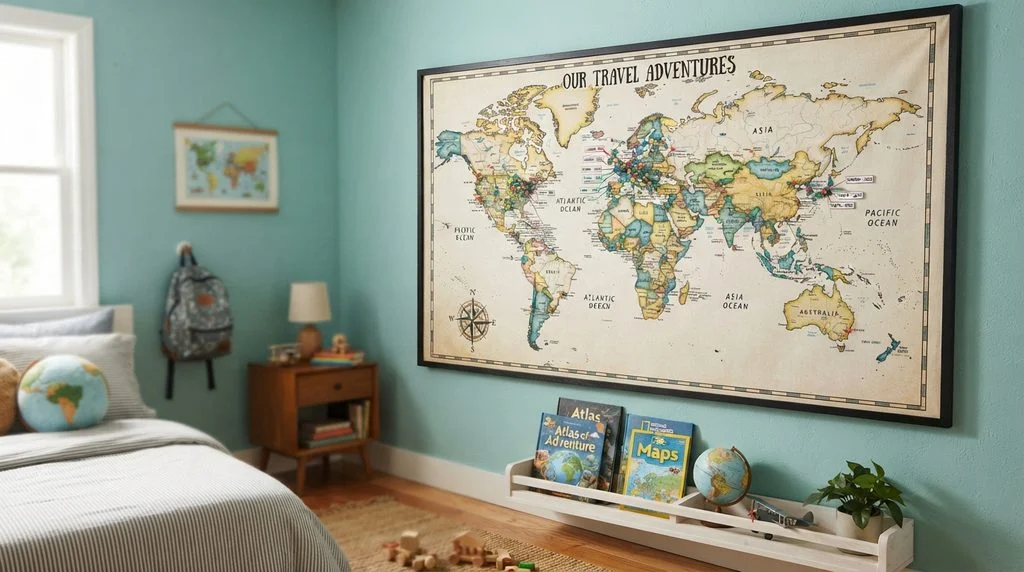
A lightweight tapestry, fabric map, or printed panel can personalize a large wall without the weight of framed artwork. Use secure, low-profile mounting designed for the wall and fabric, with no long cords or exposed sharp fasteners. Keep fabric away from heaters, lamps, vents, and the immediate sleeping area. For an interactive travel map in a younger child’s room, use stickers or removable labels instead of pushpins.
10. A Pegboard for Hats or Gear
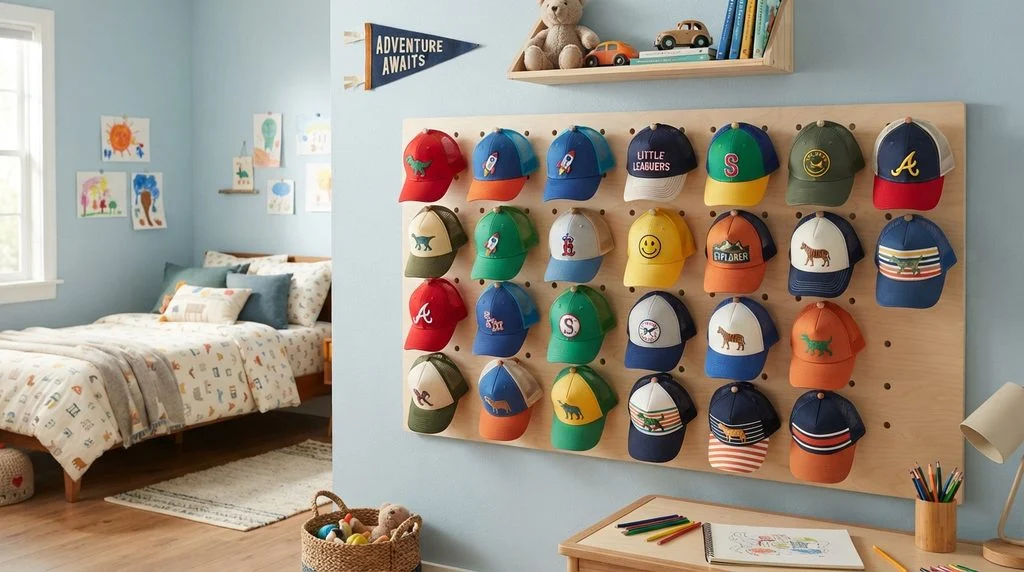
A pegboard can display hats, dress-up accessories, craft tools, or lightweight sports gear while keeping the floor clear. Divide it into simple zones and add picture labels so children know where items return. Mount the board securely with the correct spacers and anchors, use hooks that do not detach easily, and avoid loading it with heavy gear. Loose hooks and small accessories should not be accessible to young children.
11. Frame Their Own Drawings
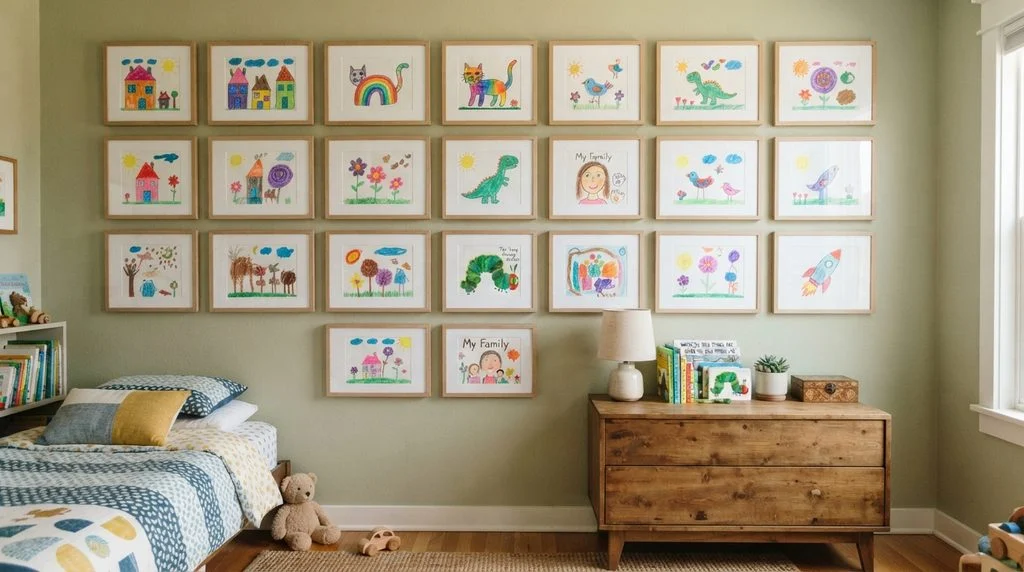
Framing original drawings is one of the simplest personalized kids room decor ideas. The art is inexpensive, meaningful, and easy to update as interests change. Choose two or three pieces, add a date or short caption, and rotate new work into the frames instead of trying to display everything at once. Use lightweight frames with acrylic or polycarbonate glazing in place of glass, fasten them securely, and keep framed pieces away from the area directly above the bed.
12. Use a Floor-Level Chair or Carefully Installed Hanging Seat
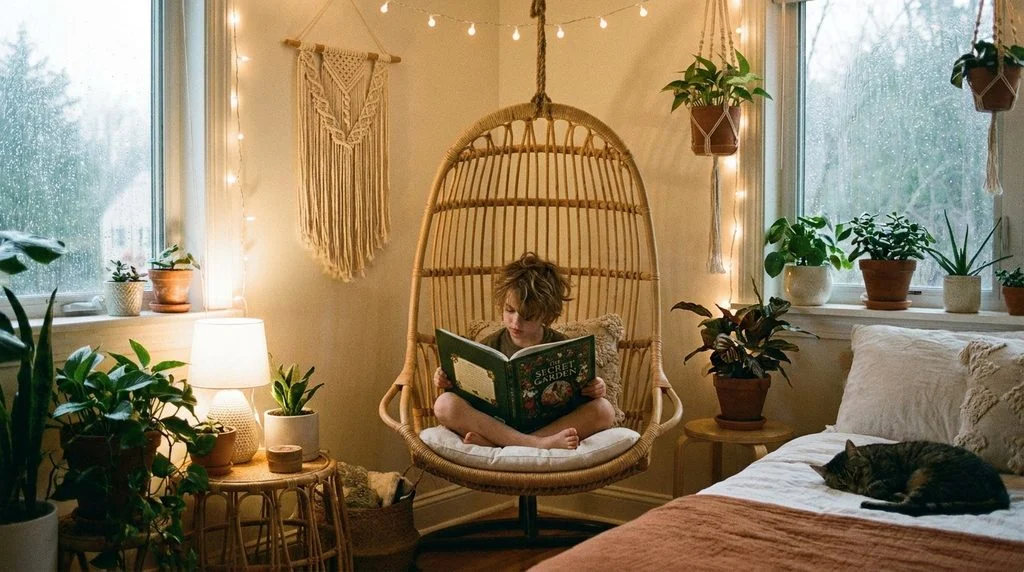
A low chair, floor cushions, and a small book basket can create a comfortable reading spot without structural work. If you are considering a suspended chair, use only a product intended for indoor seating, follow its age and load limits, and have the mounting point assessed and installed correctly. Never attach it to drywall or plaster alone, maintain clear space around it, and inspect the hardware regularly. For younger children, a floor-level setup is the simplest choice.
13. Add Real Plants
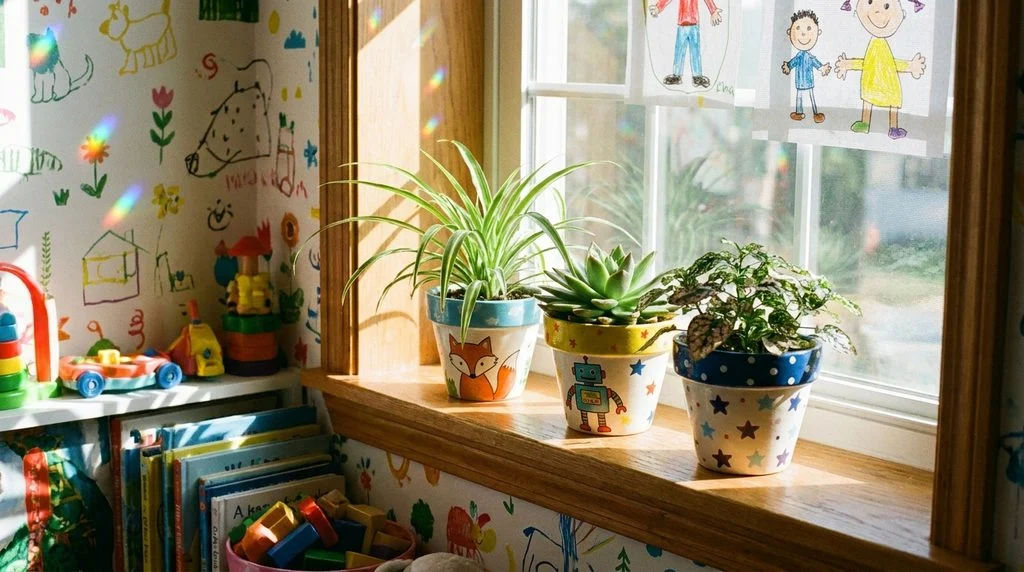
Plants add color, texture, and a small care routine, but choose the species before choosing the pot. Verify that it is non-toxic for the children and pets in the home, and avoid plants with sharp spines, tempting berries, or irritating sap. Use a stable, unbreakable planter in a location that cannot fall onto the bed or play area. Store fertilizer and soil additives securely; treat the plant as decor and responsibility practice, not as an air purifier.
14. Create a Calm, Personalized Bedtime Cue
A personalized bedtime cue can be a warm-color night-light, a favorite framed print, or a small sound machine; fragrance is not required. If your family uses an essential-oil diffuser, follow the device and oil label for age restrictions and ventilation, place it where it cannot spill, and keep every oil bottle locked out of reach. Stop using it if anyone develops coughing, wheezing, headache, rash, or irritation, and do not present essential oils as a treatment for sleep or breathing problems. Review Poison Control’s essential-oil safety guidance before use.
15. Unique, Playful Lighting
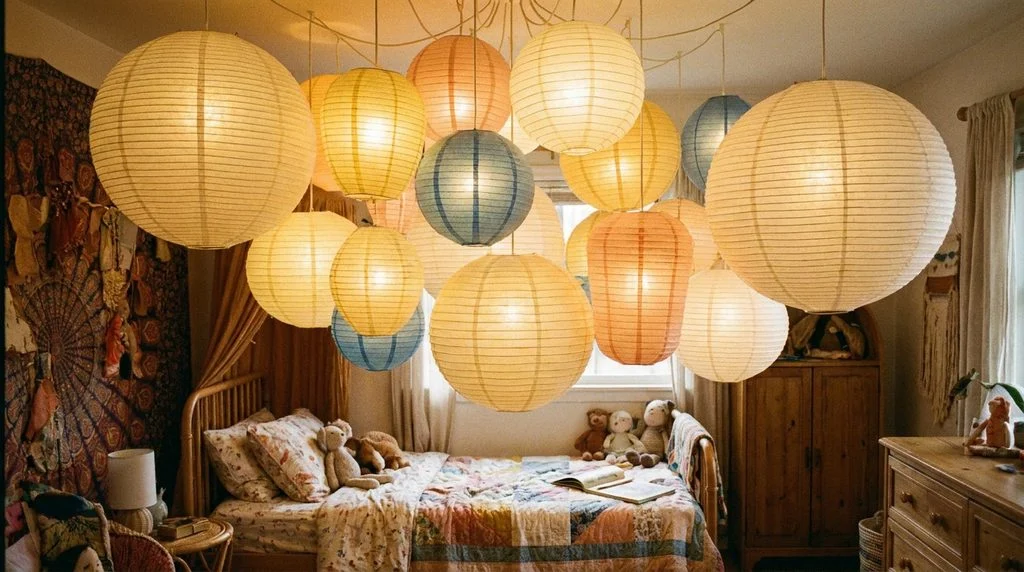
Lighting is one of the easiest personalized kids room decor ideas to tailor through an animal lamp, a nature-inspired shade, or a favorite color. Choose a stable lamp and a cool-running bulb within the fixture’s rating, secure cords away from walkways, and never run extension cords under rugs. Any coin-battery compartment should close with a screw or another child-resistant fastener. Keep paper shades and fabric decorations away from bulbs and heaters, and avoid hanging fixtures directly above the bed.
16. Pennant Flags for Character and History
Sports pennants, camp flags, travel patches, or school banners can provide a color palette and a record of places or teams that matter to the child. Arrange them in a neat row or one compact cluster so the display feels collected rather than crowded. Attach lightweight pieces securely without long cords or loops, keep them away from heaters and sleeping areas, and let each child choose their own section in a shared room.

17. Build an Interactive Activity Wall
Turn one wall section into something children can use, not just view. A securely mounted dry-erase board, large felt pieces, map stickers, or an age-appropriate activity panel can support drawing and pretend play without taking over the room. Choose pieces too large to swallow, follow the product’s age guidance, and never use loose high-powered magnets. Mount the activity surface securely and keep markers or accessories in a closed, labeled bin.
18. Use a Gender-Neutral, Hobby-Based Theme
Build the room around a real interest—space, animals, music, sports, science, books, or nature—instead of relying on a generic “boy” or “girl” theme. Ask the child to choose two colors, one symbol, and one item they want displayed. Keep walls and larger furniture flexible, then express the theme through bedding, art, and storage labels that are easier to change. This approach feels personal now and adapts more easily as interests develop.
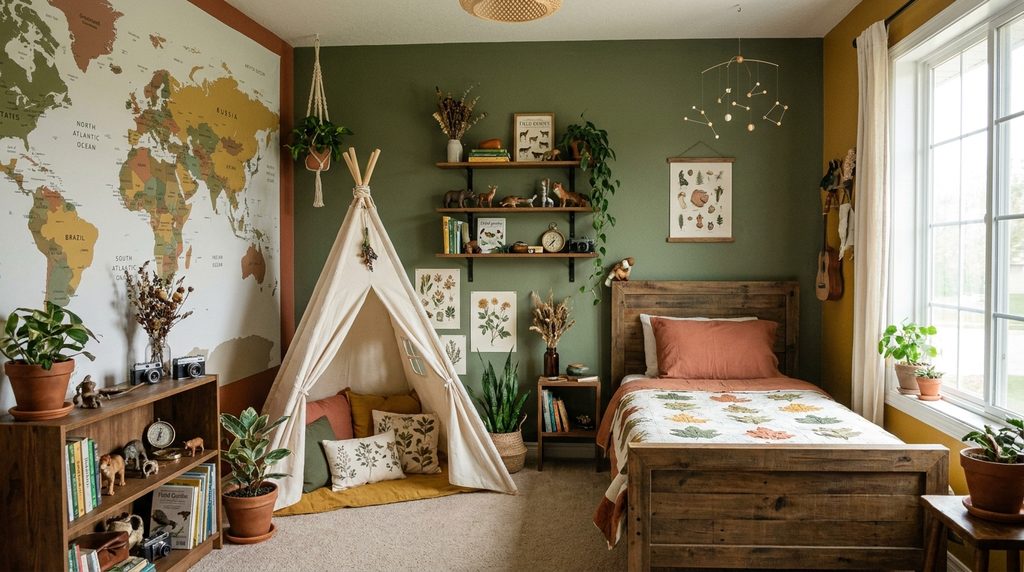
19. Create a Reading Nook Separate From the Bed
Use a low chair or floor cushions, a reachable book ledge, and a small lamp to make reading feel like its own activity. Choose a corner that does not block the door, closet, heater, or walking path. Be careful with a nook under a window: use cordless coverings, keep windows secured as appropriate, and avoid furniture that creates an easy climbing route. If you use a bench, choose a stable design and anchor it when the manufacturer requires it.
Final Thoughts on Personalized Kids Room Decor Ideas
The best personalized kids room decor ideas do not need to be expensive or permanent. Start with one display, routine, hobby, or reading corner the child can help shape, then check that every mounted item, cord, small part, plant, and light suits their age and the way they use the room. For a space designed to adapt over time, explore our kids’ bedroom ideas that grow with your child. If siblings share the room, use our shared kids’ bedroom guide to plan personal zones without crowding the layout.