80+ Activities for Busy Preschoolers
Activities for busy preschoolers work best when they are simple to start, easy to repeat, and flexible enough for short attention spans. This collection gives you 80+ ideas for movement, crafts, sensory play, pretend play, learning, and independent fun at home.
Use these activities for busy preschoolers when you need a quick boredom buster, a calmer table activity, or something that keeps little hands engaged while you handle another task nearby. For broader age ranges, see our free activities for kids and independent activities for kids.
Two quick notes before diving in:
Don’t be afraid of the mess. Preschoolers need to squish playdough, paint with watercolors, cut with scissors, and scoop and pour. Set a few simple ground rules up front, and the cleanup usually stays manageable — while the payoff in focused, independent play is well worth it.
Skip the gimmicky toys. Most flashy, light-up toys marketed at this age group don’t hold attention nearly as long as simple, developmentally appropriate activities like cutting, playdough, and open-ended building. Once you make that swap, you’ll likely be surprised by how much longer your child can stay engaged.
Now, on to the activities.
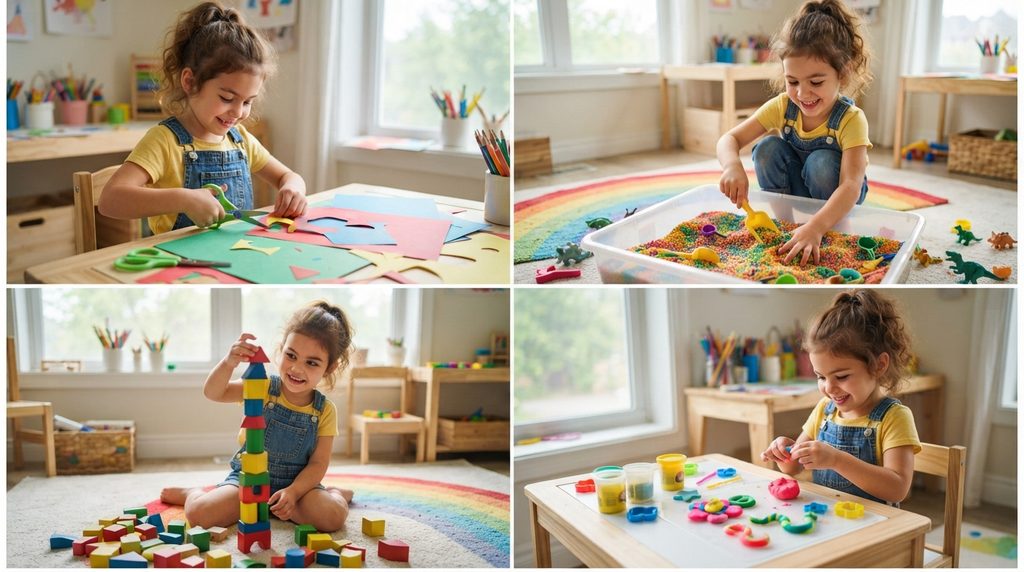
Activities for Busy Preschoolers by Type
Fine motor play strengthens the small hand muscles preschoolers need for everyday tasks like buttoning, zipping, and eventually writing.
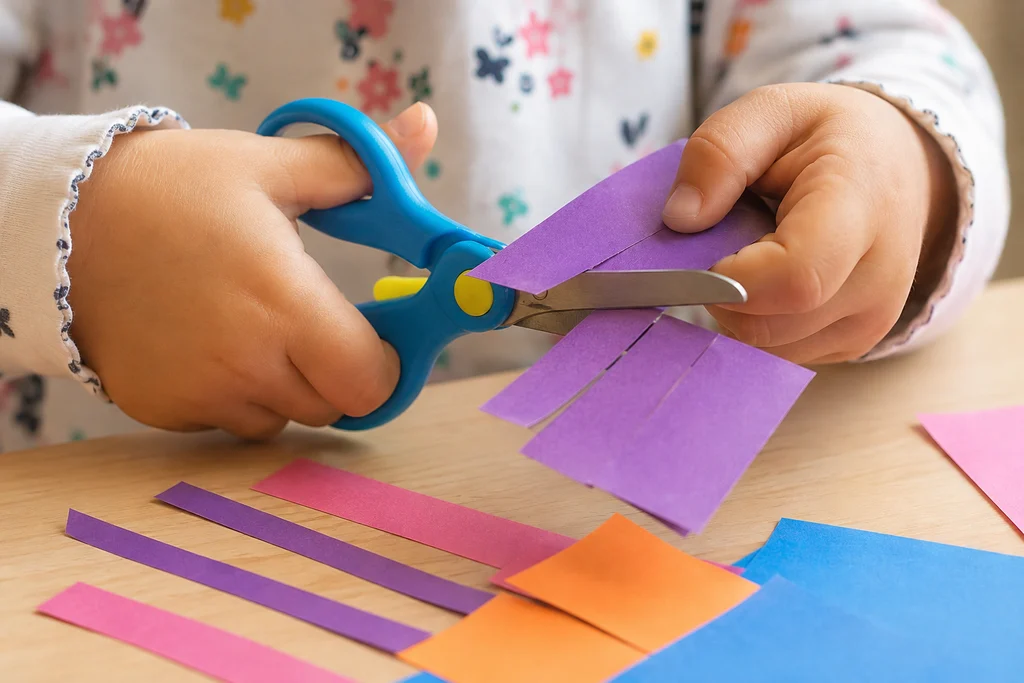
- Junk mail + scissors — Hand over old junk mail and safety scissors and let them cut freely.
- Chalkboard or dry-erase drawing — Keep dry-erase markers put away and bring them out only occasionally to keep the activity feeling special (and to save your markers).
- Connect Four — Kids love dropping the pieces into the frame just as much as playing the actual game.
- Scissor-skills pizza shop — Let kids cut out their own pizza toppings, then build a pretend pizza oven from a cardboard box for imaginative play afterward.
- Bean sorting — Give an empty egg carton and a bag of mixed dried beans, and have your child sort them by type.
- Egg tower balancing — Stack plastic Easter egg halves on top of straws to build a wobbly balancing tower.
- Name stickers — Write the first letter of your child’s name in bubble outline and have them fill it in with small stickers.
- Pattern towers — Use bamboo skewers and straws to build simple, colorful pattern towers.
- Crayon rubbing station — Set out flat textured objects (leaves, coins, buttons) with paper and crayons for rubbing art.
- Pencil practice book — A simple homemade tracing book builds pencil control before formal writing starts.
- Alphabet clothesline — Pin paper letters to a low clothesline with clothespins — great fine motor and letter-recognition practice in one.
- Cut-and-paste shapes — Have kids cut basic shapes from thick paper and glue them into a simple collage.
- Hidden treasures in playdough — Press small beads or buttons deep into a block of playdough and have your child dig them out with their fingers.
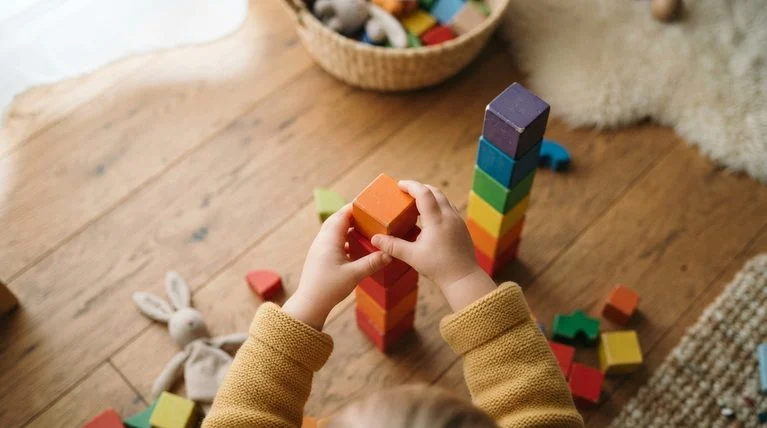
Blocks and Building Activities
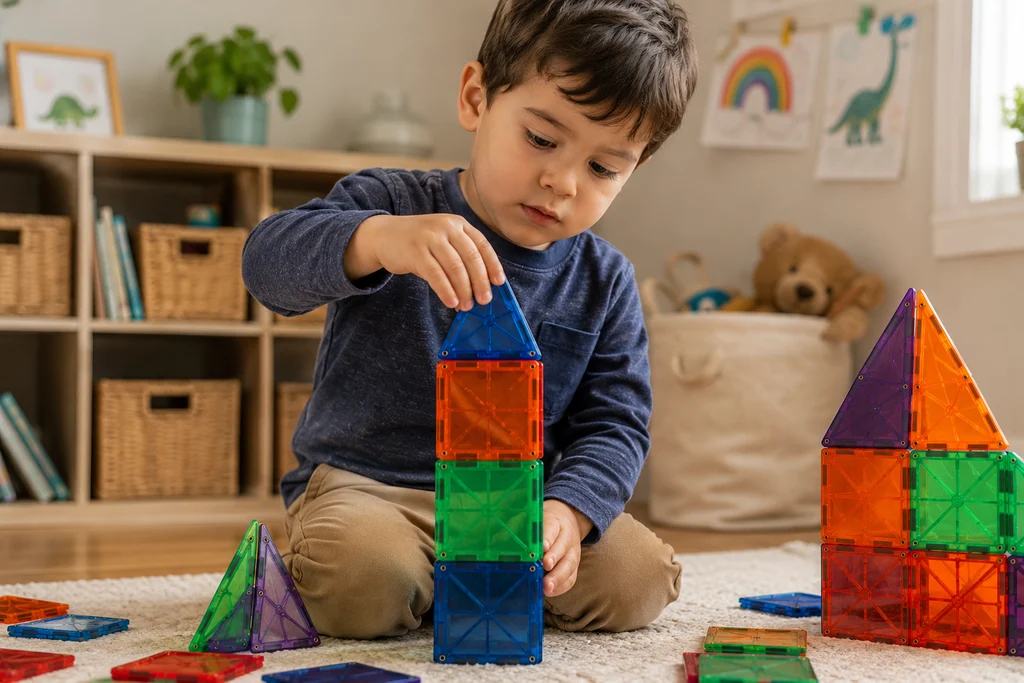
- Rain gutter ramps — A cheap length of rain gutter makes a fantastic ramp for toy cars; add wooden blocks for tunnels.
- DIY castle blocks — Simple homemade building blocks (painted cardboard boxes work great) let kids build their own castle scenes.
- Magnetic building tiles — A genuine favorite for open-ended building — use a cookie sheet or metal tray as a magnetic building surface.
- Math with building tiles — Use tiles to build simple counting, sorting, and pattern activities.
- Duplo play ideas — Beyond free building, try color sorting, size stacking, or building a specific object from a themed prompt.
Learning Activities
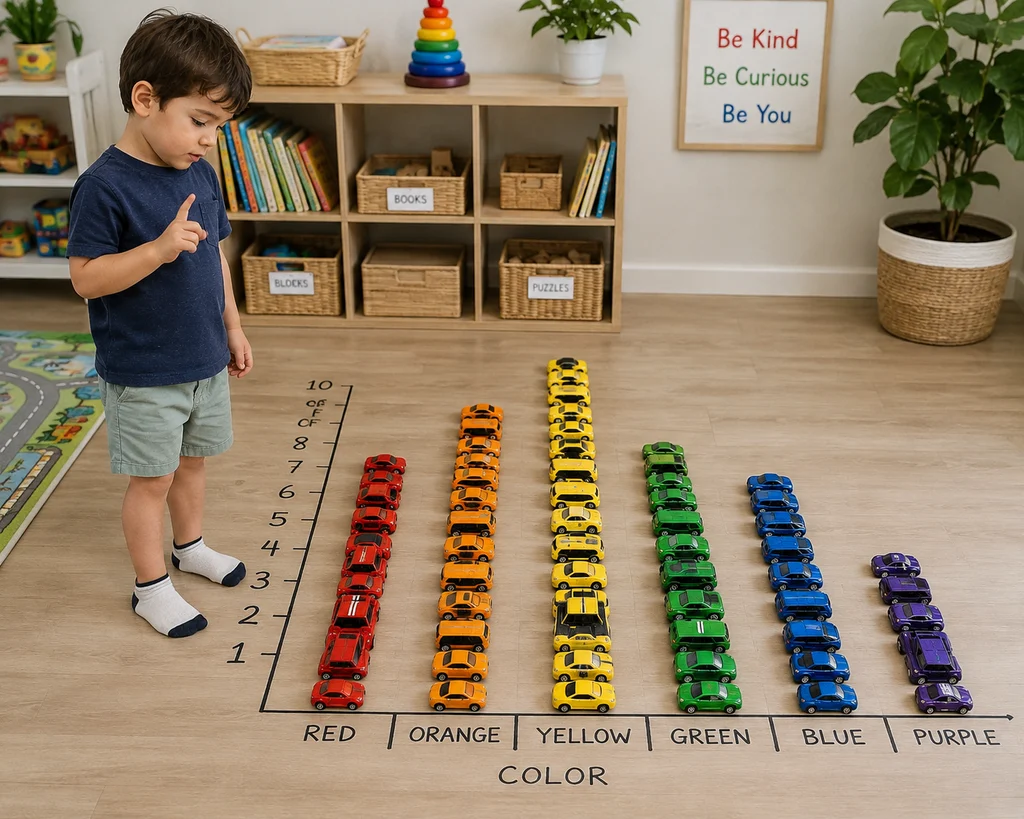
- Giant color graph — Sort and graph toy cars, nature finds, or small toy animals by color on a large floor mat or paper grid.
- Math with building bricks — Simple counting, adding, and sorting games using Duplo or Lego bricks.
- Smallest to largest — Line up shoes, pencils, or stuffed animals in order by size.
- Shape scavenger hunt — Send kids around the house or yard hunting for specific shapes.
- Name collage — Cut letters from magazines or cereal boxes and have kids spell out their name, then glue it onto cardstock.
- Counting scavenger hunt — Hand over a clipboard and have kids count chairs, shoes, or stuffed animals around the house.
- Roll, count, write mats — Roll a die, count out that many objects, then write the number — laminate for reuse with a dry-erase marker.
- Color dominoes — A simple homemade domino game using craft sticks and colored dots.
- Giant alphabet memory game — Use paper plates to build an oversized letter-matching memory game.
- Beginning sounds memory game — A more advanced matching game for older preschoolers working on early phonics.
- Pattern activities — Build patterns using beads, snack foods, or small toys — a great way to sneak in early math thinking.
- Learn your name with toy cars — Build a pretend “parking lot” spelling out your child’s name, one letter per car.
- Number activities with household items — Simple, no-prep number games using whatever’s already on hand.
- Water tracing letters — Write a large letter on a chalkboard with dotted guide lines, then have kids “paint” over it with a wet paintbrush — a gentle, mess-free intro to letter formation.
- Jell-O animal dig — Set small toy animals into a bin of prepared Jell-O and let kids use tweezers to fish them out once set — a fun twist on sensory learning.
Playdough Ideas
Homemade playdough is endlessly customizable — add a few themed tools and props from around the house for hours of imaginative, sensory-rich play.
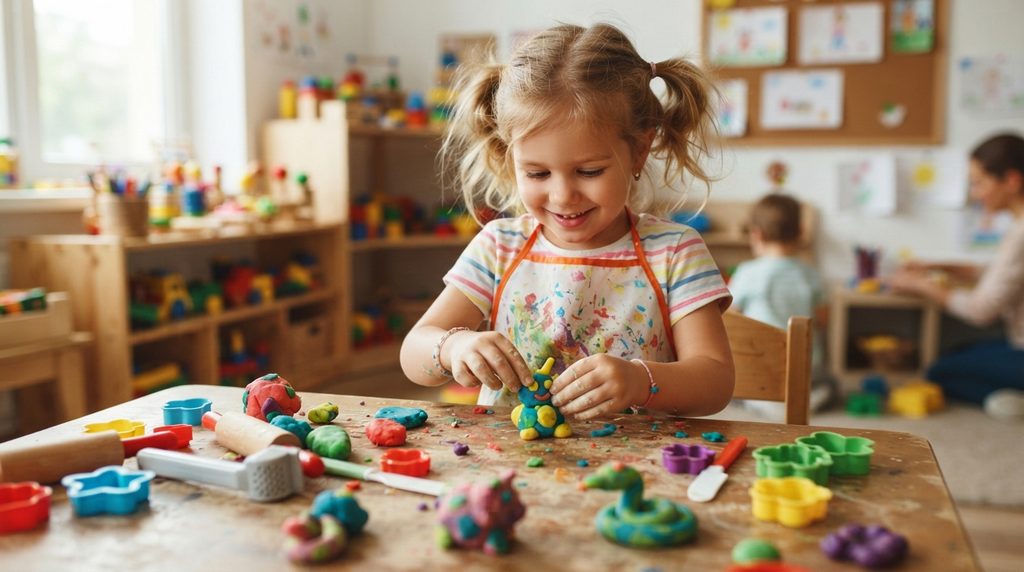
- Playdough cactuses — Use toothpicks as spines for a prickly playdough cactus garden.
- Playdough bugs — Add googly eyes, pipe cleaners, and straw segments to build all kinds of creepy crawlies.
- Desert and sand playdough — Mix real sand into the dough for a textured desert or beach scene.
- Ocean playdough — Build a sandy shoreline and a blue “ocean” section side by side.
- Sparkly gold playdough — Mix in beads and plastic jewels for a glittery treasure-hunt feel.
- Scented playdough — Try orange, coconut, lime, or watermelon scents, and experiment with fun imprint tools.
- Construction-scene playdough — Dye the dough a dirt-brown color and add mini construction trucks for imaginative digging play.
- Hatching dinosaur eggs — Hide small toy dinosaurs inside plastic egg halves filled with dough.
- Conversation heart playdough — Cut out hearts and use alphabet stamps to spell simple words.
Sensory Play Ideas
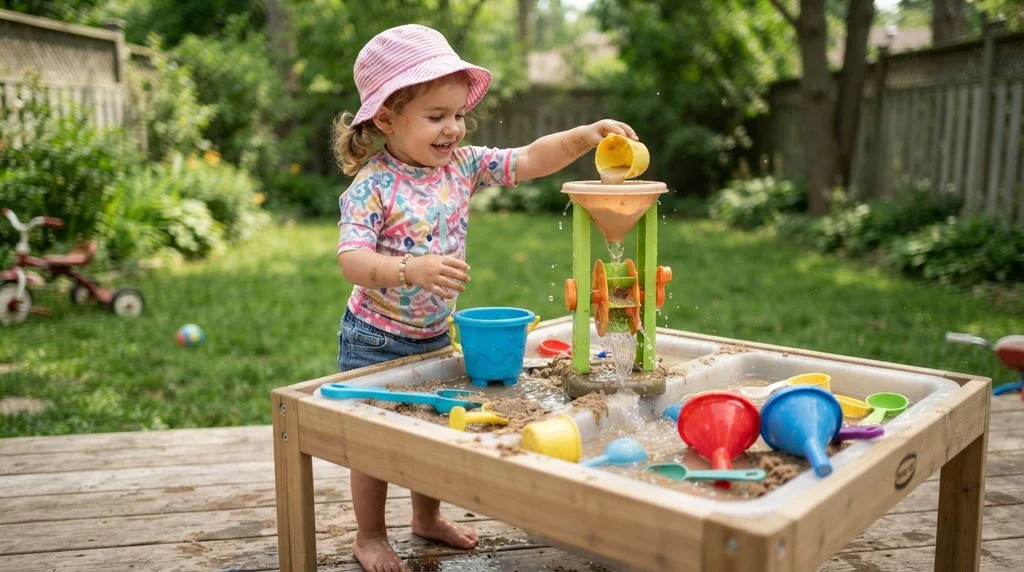
- Sand and water table — A simple DIY table opens up endless scooping, pouring, and splashing play.
- Water table play ideas — Try floating toy boats, “bead soup,” or simple sink-and-float experiments.
- Ice excavation — Freeze small toys into ice blocks and let kids “dig” them out with warm water and tools — works well indoors or outside on a hot day.
- Construction truck sensory bin — Fill a bin with rice or sand and add mini construction trucks, plus a cardboard ramp for loading.
- Spray bottle water play — A water-filled spray bottle can occupy kids outdoors for a genuinely long stretch.
- Planting flowers sensory bin — A bin filled with soil, fake flowers, and small gardening tools for imaginative planting play.
- Sidewalk water painting — Hand over a cup of water and a paintbrush and let kids “paint” the sidewalk, fence, or tree trunks.
- Farm sensory bin — Turn a repurposed container into a grain silo loading corn into a toy truck.
- Funnels and tubes board — A pegboard fitted with funnels and tubes makes colored rice or sand endlessly fun to pour through.
- Fizzing dinosaur eggs — Homemade bath-bomb “eggs” fizz away in water to reveal a baby dinosaur inside.
- Dry sensory bin with dinosaurs — Mix flour, oil, and cocoa powder for a moldable “dirt” texture, add fake grass, stones, and toy insects on the other side.
- Sensory discovery bottles — Fill clear bottles with water, glitter, and small trinkets, then seal tightly for shaking and searching play.
Pretend Play Ideas
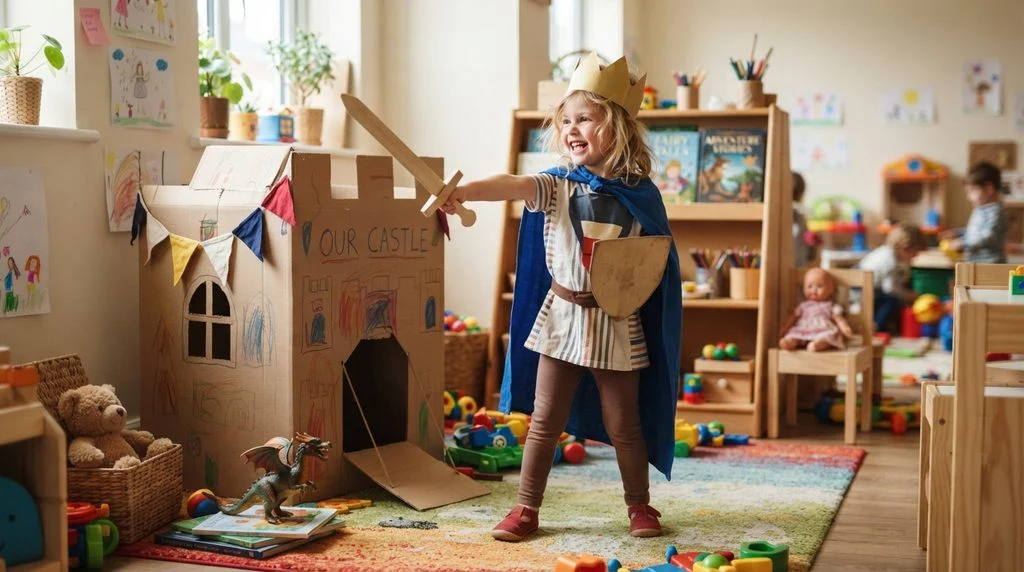
- Story reenactment — Act out a favorite story (like the Three Little Pigs) using simple household props and costumes.
- Cardboard parking garage — Build a multi-level toy car garage from a large cardboard box, complete with ramps.
Gross Motor Activities
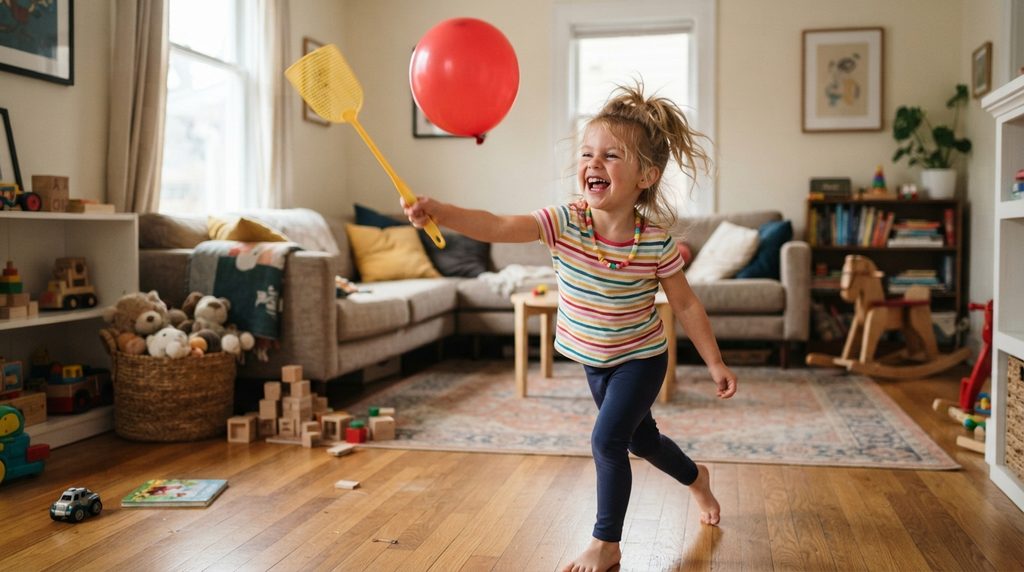
- Balloons + fly swatters — A surprisingly great combo for active indoor play.
- Ball pit ball games — Try a milk-jug catching game, color sorting, or a simple toss-and-catch challenge.
- Mini golf course — Build a simple indoor mini golf course using building blocks as obstacles — great for a rainy day.
- Indoor active games — Simple movement-based games that work well even in a small space.
- Backyard obstacle course — Build a “ninja warrior” style obstacle course using whatever’s in the yard — this one’s always a hit.
Bonus Ideas Worth Trying
A few extra favorites gathered from other preschool experts, worth adding to your rotation:
- Sensory bottle shake and find — Seal small objects into a clear bottle filled with water and glitter for a calming shake-and-search activity.
- Fine motor “stuff the container” — Have kids stuff pom-poms or crumpled paper into a container using tweezers or small tongs — great hand-strengthening practice.
- Chunky puzzles — Wooden knob puzzles, simple 5–10 piece jigsaws, and shape sorters all build fine motor skills and problem-solving.
- Dotted letter tracing — Practice letter formation with large dotted outlines and a paintbrush dipped in water for a mess-free option.

Final Thoughts
With this many ideas in your back pocket, boredom (and the resulting chaos) doesn’t stand much of a chance. Rotate through a few activities each week, mix quiet fine-motor tasks with bigger sensory or gross-motor play, and don’t stress too much about the mess — the hours of focused, happy play are almost always worth the cleanup.
More Activities for Busy Preschoolers
Keep a small rotation of activities for busy preschoolers that your child already enjoys, then swap materials or themes to make familiar play feel new without adding much setup.