50 Independent Activities Kids Can Do at Home
Keeping young learners entertained isn’t always easy — especially on the days you actually need a little quiet time to get things done. The good news is there’s no shortage of crafts, games, and simple learning activities kids can dive into completely on their own.
Here’s an updated list of 50 activities that, with just a little setup ahead of time, your kids can enjoy independently — no supervision required. Where an original resource has changed or shut down, it’s been swapped for a current alternative.
50 Independent Activities for Kids
- Try a three-marker art challenge — kids create a full picture using only three colors.
- Explore simple at-home STEM experiments using everyday household items — sites like Steve Spangler Science and Generation Genius are solid current sources for kid-friendly experiment ideas.
- Print out age-appropriate learning worksheets to keep their mind sharp between school days — Education.com and Scholastic’s learning hub both still offer free printables.
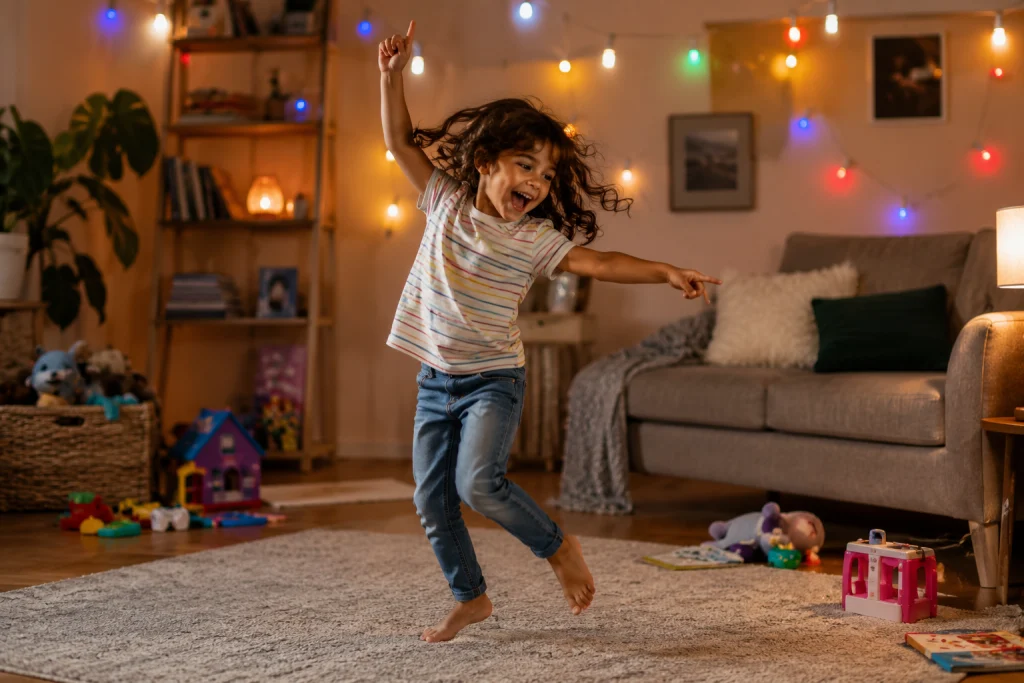
- Throw an at-home dance party with an upbeat kids’ playlist — send them to the backyard if you need the quiet.
- Hand them a phone or camera and let them direct and film their own mini movie.
- Set them up with a “write your own fairytale” prompt to get their imagination going.
- Encourage them to build a pillow fort — a cozy spot that doubles as a reading or craft nook afterward.
- Point them toward kid-friendly science videos covering topics like astronomy, biology, and earth science — Crash Course Kids’ back catalog (now run under Complexly’s nonprofit umbrella) is still fully watchable, and SciShow Kids is a good active companion channel.
- Set up a simple musical water-glass experiment and challenge them to figure out how many songs they can play.
- Send them outside to find a rock, then let them turn it into a decorated “pet rock” with craft supplies.
- Give them a list of tongue twisters to practice, or challenge them to invent their own.
- If they’re reading a favorite book, have them draw a scene from their favorite part.
- Build a duct-tape race track on the floor and time which toy car is the fastest.
- With a deck of cards on hand, suggest a simple game like Go Fish for siblings to play together.
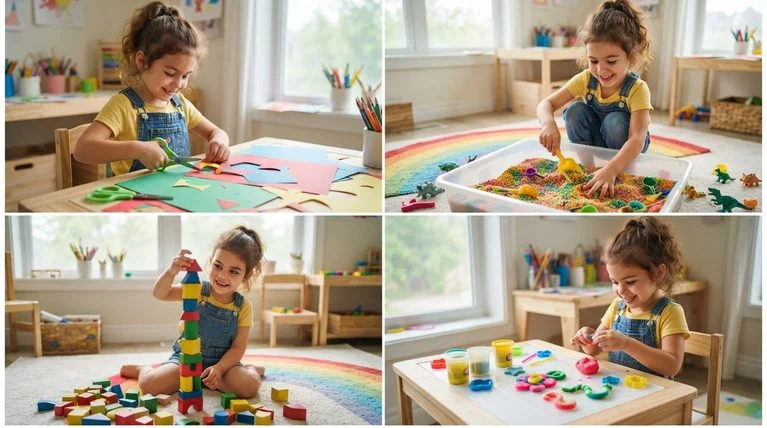
- Round up old magazines, glue, and scissors for a photo collage project.
- Try Khan Academy Kids — still a free, ad-free app with thousands of games and books for ages 2-8, and still actively updated in 2026.
- Start a simple journal in an old notebook to build writing habits.
- Break out printable coloring pages for some quiet creative time — Crayola’s free coloring page library is still live and regularly refreshed.
- Explore BrainPop, which still covers reading, art, social studies, and STEM topics for kids, though most of its full library now sits behind a subscription (BrainPop Jr. offers some free samples).
- Teach older kids finger knitting using simple printed instructions.
- If your child plays an instrument, have them practice using free printable sheet music from a library like MuseScore or IMSLP.
- Challenge them to read as many books or chapters as possible within an hour.
- Send them on a backyard scavenger hunt to find a leaf, a rock, and a colorful flower.
- Have them gather spare change from around the house and sort it by type — a fun hands-on math activity.
- See how tall a tower they can stack using plastic cups before it topples.
- Print handwriting worksheets with a fun dinosaur alphabet theme.
- Let them put on a puppet show using stuffed animals, then perform it for you later.
- Make a simple paper-bag puppet with crayons or colored pencils.
- Set up an age-appropriate chore chart so tidying up becomes part of their independent routine.
- Teach them solo cat’s cradle using a length of string.
- Break out a board game for siblings — or any available adult — to play together.
- Give an only child or busy household an age-appropriate jigsaw puzzle to piece together.
- Older kids with pets can take the dog for a walk around the block or play with it in the backyard.
- Show them how to craft a simple straw whistle using straws, safety scissors, and tape.
- Walk them through making their own tiny handmade book using basic folding instructions.
- Try a sticky-note wall activity to help younger kids practice recognizing letters.
- Set up a blindfolded relay game where they scoop cotton balls from one bowl to another.
- Use a printable grid game to help them practice letters or numbers.
- Have them trace their own handprint, then turn it into as many different drawings as they can imagine.
- Introduce a beginner coding platform for a first lesson in programming — Codecademy still runs a free tier, and Scratch (from MIT) remains one of the most popular free, kid-built-for options in 2026.
- Have them write a card for a friend or family member to deliver or mail later.
- Teach older kids how to make a simple flip book using sticky notes.
- Set up an alphabet scavenger hunt around the house for younger learners.
- Give them a list of kid-friendly riddles and have them write down their answers.
- If they have a talent to show off, let them practice all morning for a mini “home talent show” later in the day.
- Print playdough shape mats to combine hands-on play with early math skills.
- Give siblings paper and a pencil for a round of tic-tac-toe or hangman.
- Follow along with a kid-friendly drawing tutorial video for guided art practice — Art for Kids Hub is still active and posting new videos regularly.
- Hand them an interesting object — a flower, toy, or bottle — and challenge them to draw it as accurately as they can.
- Using simple folding instructions, challenge them to build a paper airplane that can fly all the way across their room.
Building independence works best alongside consistent everyday habits, so these simple parenting tips for everyday family life can help parents create a supportive routine.
Final Thoughts
None of these activities need constant supervision — just a little setup beforehand. Rotate a few of these into your week, and you’ll have both happily occupied kids and a bit of breathing room to get things done.