100+ Sensory Activities for Kids Using Everyday Items
Sensory activities are often pictured as messy play — rice bins, slime, and finger paint. But sensory input actually shows up everywhere in a child’s day: running in the yard, swinging, listening to music, or even taking a deep breath before bed. Exploring a range of sensory play ideas doesn’t require special equipment or a lot of planning. Most of it can happen with things you already have at home, at school, or on the playground.
Below is a complete list of 100 simple sensory activities, organized into 10 categories so you can quickly find what your child needs — whether that’s calming down, waking up, building strength, or simply having fun.
This is the broad, all-purpose guide to sensory activities for kids. If you need age-specific ideas, see our sensory activities for babies. If you are supporting an autistic child or a child with sensory processing differences, use our sensory activities for children with autism guide for a more individualized, regulation-focused approach.
Why Sensory Activities for Kids Matter
Sensory Activities For Kids can support many different needs because every child takes in the world through their senses — touch, sound, sight, taste, smell, movement, and body awareness. For many kids, especially those with sensory processing differences or autism, this input can be harder to organize and respond to. Intentional sensory activities give children a structured, low-pressure way to practice processing that input, which can support:
- Better focus and attention
- Improved emotional regulation
- Stronger fine and gross motor skills
- More comfortable transitions between activities
- Reduced meltdowns from sensory overload
1. Proprioceptive Activities (Body Pressure & Muscle Input)
Proprioceptive sensory activities for kids use the muscles and joints and often have a calming, organizing effect.
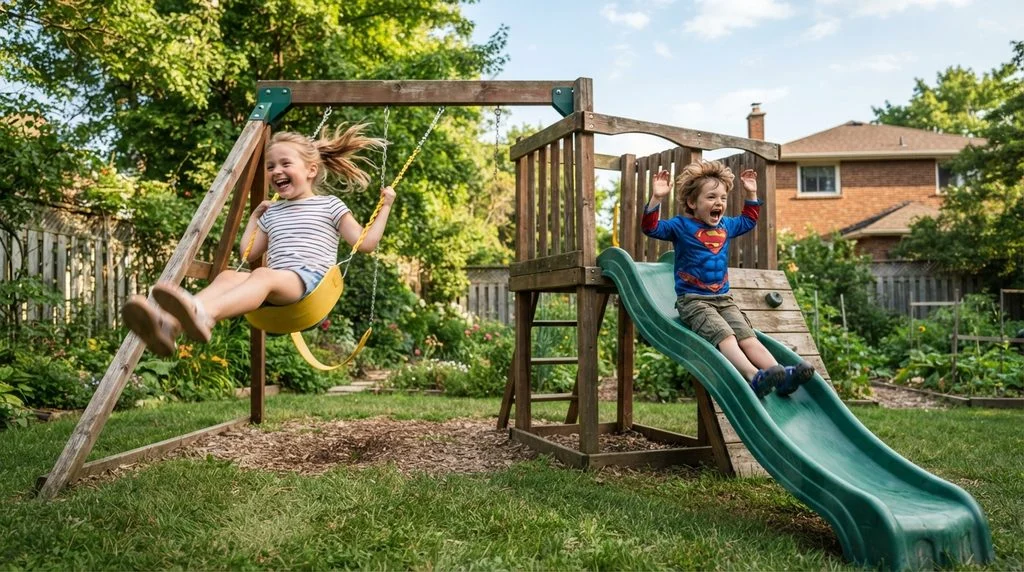
- Climb a slide or ladder on playground equipment
- Jump off a low swing onto a soft surface
- Push a sibling gently on a swing
- Climb stairs while wearing a lightly weighted backpack
- Hang and swing from monkey bars
- Play simple balancing games, like walking a line or beam
- Give and receive tight bear hugs or gentle squeezes
- Push or pull a sibling seated inside a cardboard box
- Do a quick indoor circuit: wall push-ups, desk push-ups, hand squeezes, and a superman pose
- Try animal walk races — bear walk, crab walk, worm crawl, wheelbarrow walk
2. Vestibular Activities (Movement & Balance)
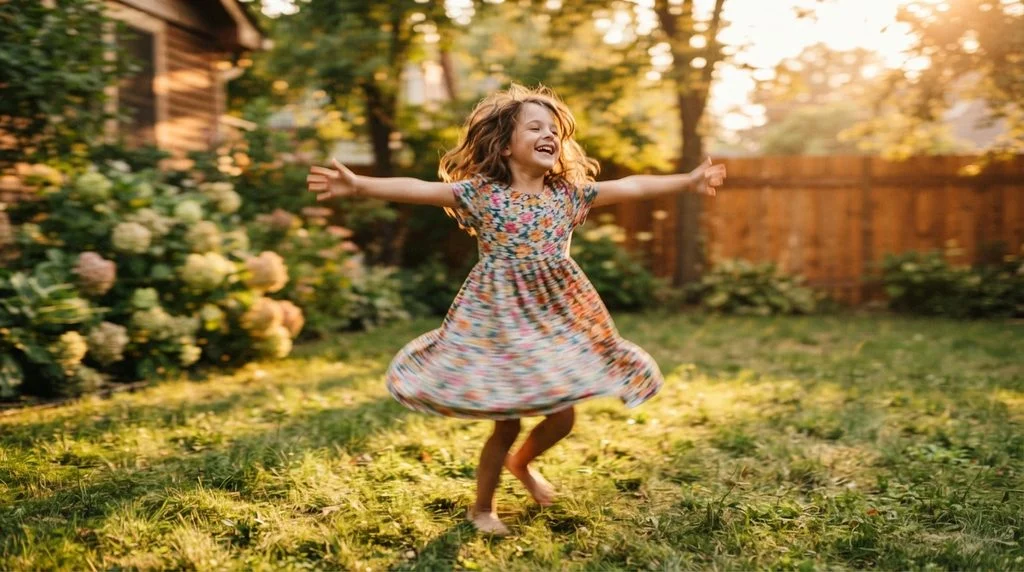
Vestibular sensory activities for kids involve movement and the inner ear, supporting balance, coordination, and spatial awareness.
- Spin in place for a short, timed burst
- Run a “movement madness” circuit: jumping jacks, arm circles, cartwheels, somersaults
- Play freeze dance, pausing the music at random intervals
- Bounce on a small exercise ball
- Toss a ball back and forth while hanging upside down (with supervision)
- Swing on a swing set for a set number of counts
- Play hopscotch on a homemade chalk board
- Rock gently in a hammock or hanging chair
- Roll down a grassy hill
- Ride a scooter board or tricycle around a safe space
3. Auditory Activities (Sound & Listening)
Auditory sensory activities for kids build listening skills and help children explore or tolerate a range of sounds. These sensory activities for kids can be especially useful when you want a quick listening break without a complicated setup.
- Play “guess that animal sound”
- Listen to a short clip of calming music or nature sounds
- Shake a maraca or homemade rattle
- Practice a few seconds of complete silence together
- Play “guess that song” using hums or short clips
- Clap or hum a sound pattern for your child to repeat
- Play a “near or far, soft or loud” sound discrimination game
- Practice rhyming words as a call-and-response game
4. Visual Activities (Sight & Visual Tracking)
Visual sensory activities for kids can support focus, tracking, and visual discrimination. Simple light, color, sorting, and tracking games make these sensory activities for kids easy to repeat at home.
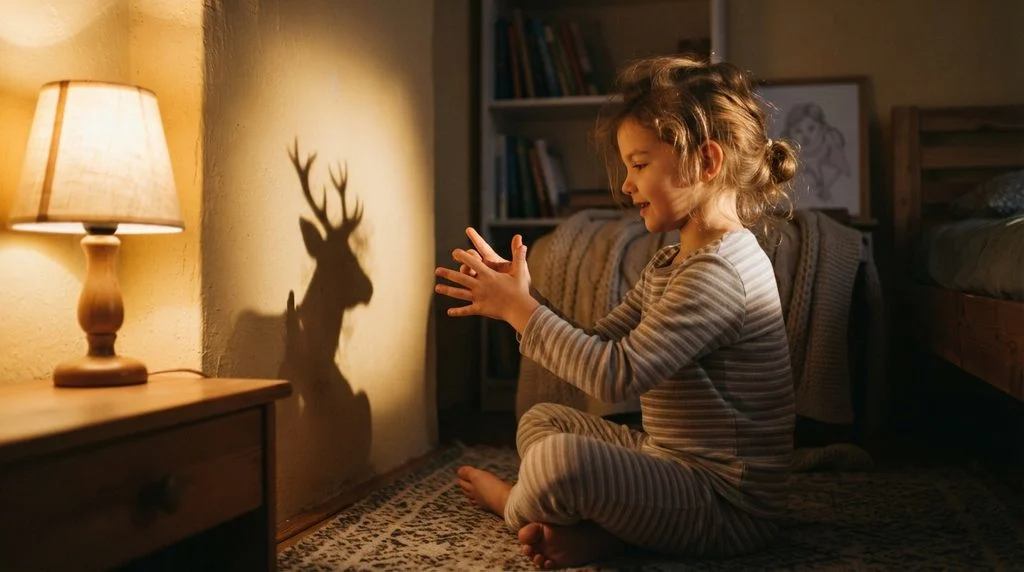
- Make shadow puppets on a wall using a flashlight
- Search for hidden objects in a busy picture
- Make a simple sensory bottle with glitter, water, and food coloring
- Play hide-and-seek in a familiar outdoor space
- Sort shapes or colors on a light table (or a bright window)
- Build with light-up blocks or pegs
- Fill a clear sensory bag with beads, sequins, or hair gel to squish and observe
- Go on a color or shape scavenger hunt indoors or outdoors
5. Oral Sensory Activities (Mouth & Breath)
Oral input supports feeding skills, breath control, and calming through the mouth and airway.
- Blow bubbles outside
- Have a bubble gum bubble-blowing contest
- Race paper sailboats by blowing through a straw
- Blow cotton balls into a cup using a straw
- Try straw-blown paint art on paper
- Keep a feather afloat by blowing on it
- Make a simple trail mix with a mix of crunchy and chewy textures
- Practice blowing a whistle or kazoo for a short stretch
- Sip a thick smoothie through a straw
- Blow softly into a recorder or harmonica
6. Tactile Activities (Touch & Texture)
Tactile sensory activities for kids help children explore and build tolerance for different textures and materials. Rotate soft, rough, smooth, sticky, and squishy materials so the sensory activities for kids stay varied.
- Roll a textured ball from fingertip to fingertip, or head to toe
- Play “guess that texture” with a feely box of household objects
- Trace sandpaper letters or numbers with a fingertip
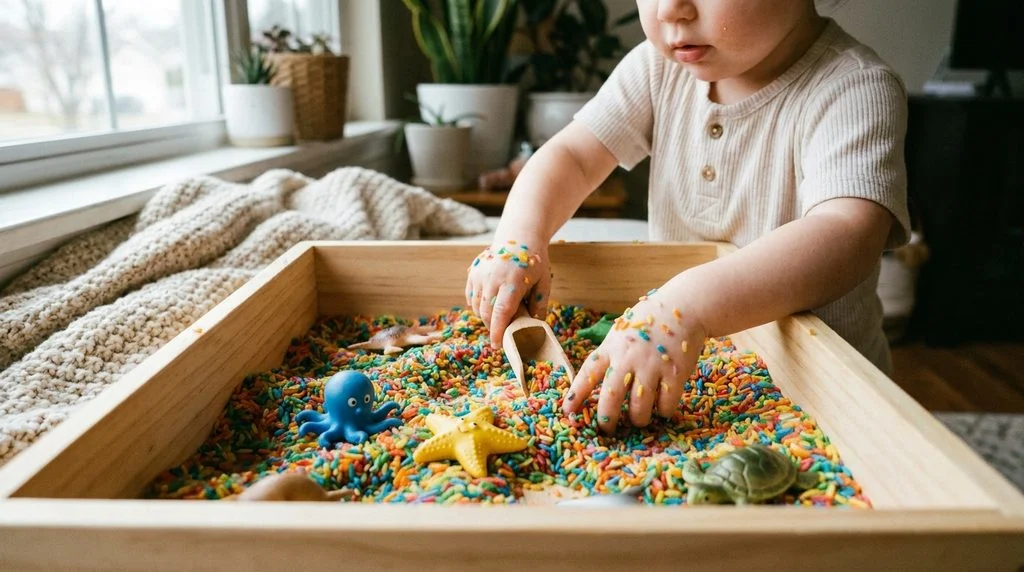
- Explore a sensory bin filled with colored rice, dried beans, or lentils
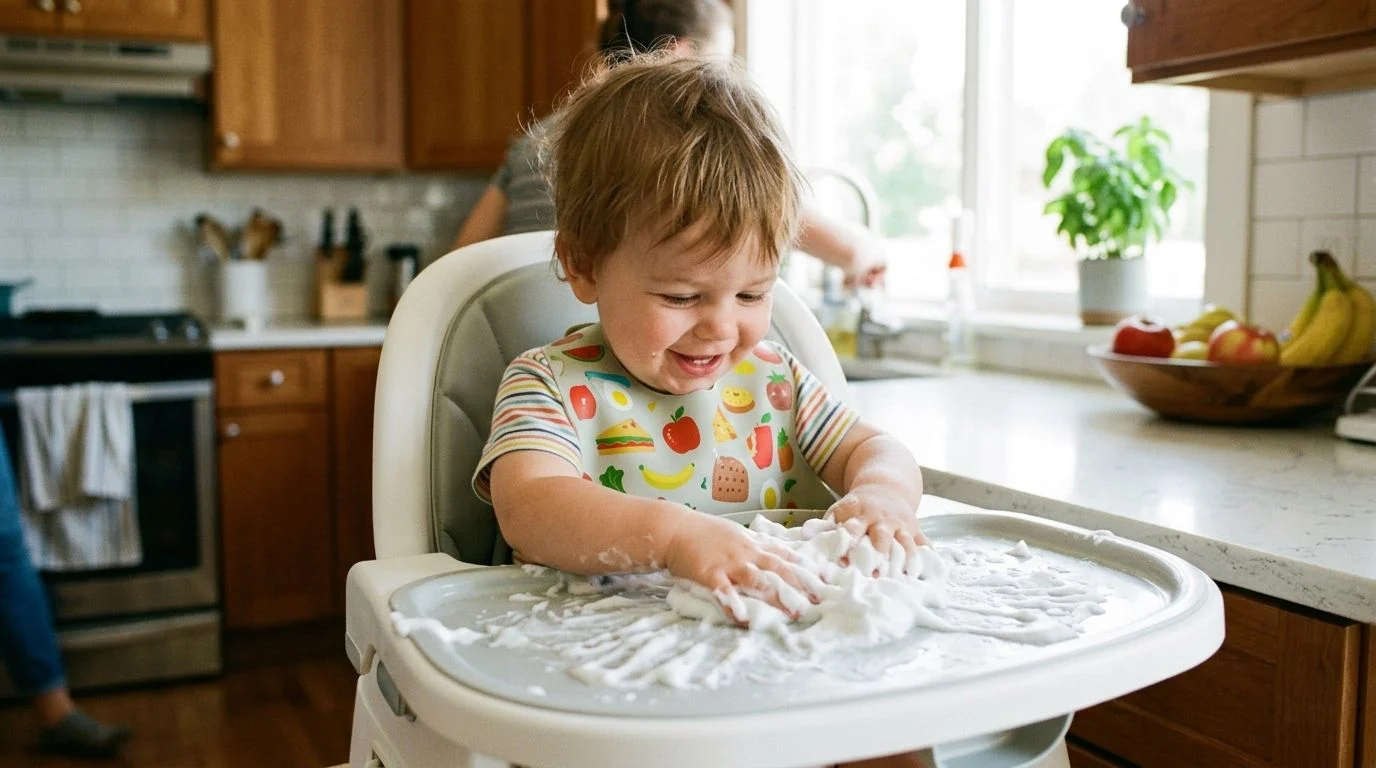
- Play with shaving cream on a table or window
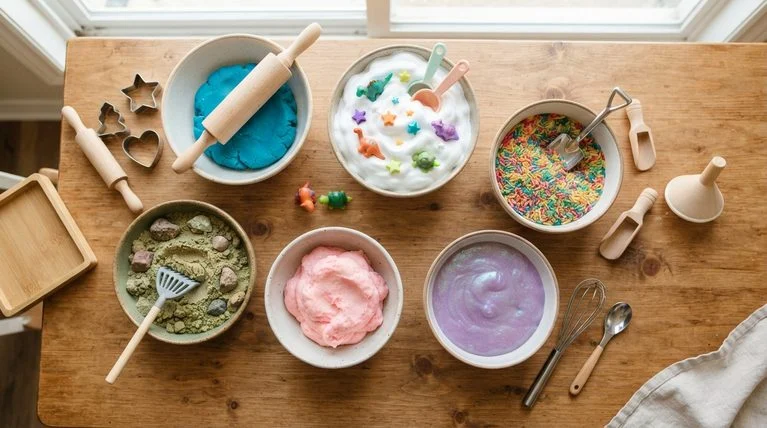
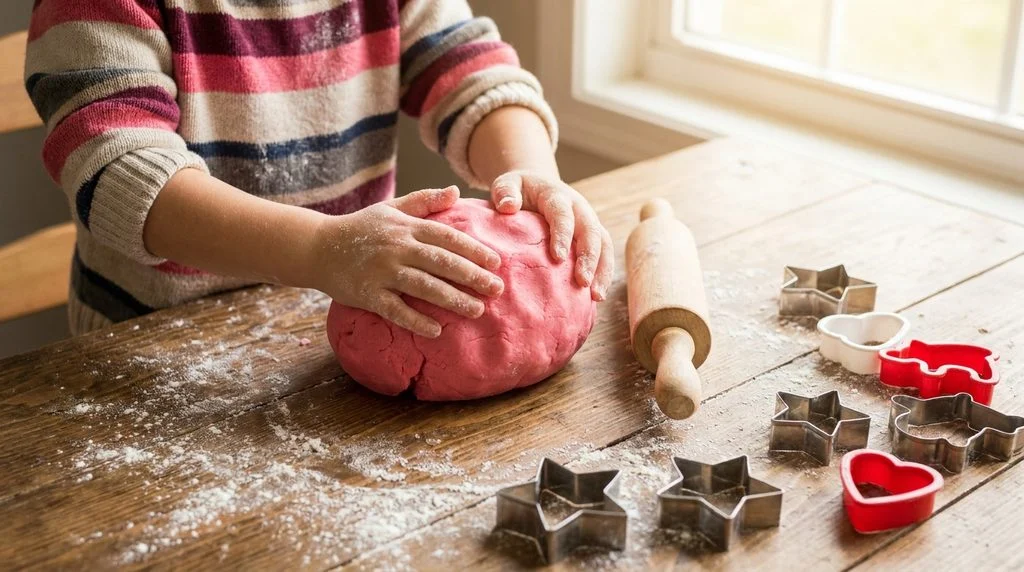
- Make a batch of simple sensory dough — cloud dough, foam dough, or edible dough
- Go on a texture scavenger hunt, feeling smooth, rough, soft, and bumpy items
- Squeeze textured hand fidgets or stress balls
7. Fine Motor Activities (Hands & Fingers)
Fine-motor sensory activities for kids strengthen the small muscles used for writing, buttoning, and self-care tasks. Scooping, pinching, threading, and squeezing turn these sensory activities for kids into practical skill-building play.
- Make dot art using cotton swabs and paint
- Play a cotton ball relay, moving balls with tweezers
- Practice writing letters or numbers in a tray of shaving cream
- Cut out simple shapes and decorate them with sequins or stickers
- String beads onto yarn to make a simple necklace
- Punch dots into paper using a hole punch
- Trace letters or numbers in a tray of sand
- Build a small sculpture using toothpicks and playdough
- Use a dropper to place drops of colored water onto a coffee filter
- Match numbered clothespins to a number line
8. Core Strength Activities
Core strength supports posture, balance, and overall body control.
- Do a simple circuit: sit-ups, squats, crunches, bicycle kicks
- Hold short-timed poses like superman or plank
- Try any tabletop activity while lying on your stomach (tummy time for older kids)
- Set up a crawling obstacle course using pillows and furniture
- Practice pull-ups or hangs on a bar
- Try simple balance activities, like standing on one foot
- Follow along with a short kid-friendly yoga video
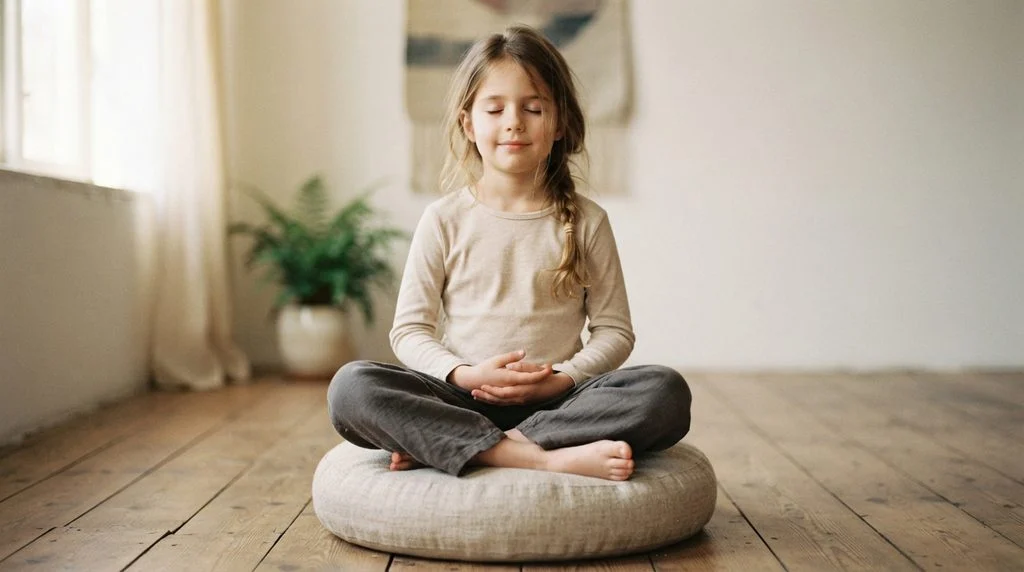
9. Body Awareness Activities
These activities build a stronger sense of where the body is in space.
- Play Simon Says using body-part instructions
- Sing and act out the Hokey Pokey
- Toss a textured ball back and forth
- Estimate and then measure a line of family members or classmates
- Set up a simple obstacle course
- Run a relay carrying a beanbag using different body parts
- Sing “Head, Shoulders, Knees, and Toes”
- Make shapes or letters using your whole body
- Try spelling simple words by forming letters with your body
10. Self-Regulation Activities
Calming sensory activities for kids can help children settle their nervous system after big movement or big emotions. Keep a few favorite sensory activities for kids available for transitions, homework breaks, or quiet time.
- Practice “puffer fish” breaths or square breathing
- Make a silly “monster face” by squeezing facial muscles tight, then releasing
- Count backward slowly from ten
- Make a simple squeeze ball by filling a balloon with dried beans or rice
- Build a homemade calm-down jar to shake and watch settle
- Rock gently in a hammock or rocking chair
- Smell a flower or scented item, breathing in through the nose and out through the mouth
- Blow up and release a balloon
- Play a scent-guessing game with safe household items
Tips for Choosing Sensory Activities for Kids
- Start where your child is. Not every child needs every category — some seek movement, others need calming input. Watch your child’s cues and follow their lead.
- Keep it short. Many of these activities work well as quick “sensory breaks” of just a few minutes between other tasks.
- Repeat what works. If your child gravitates toward one activity, it’s okay to repeat it often — repetition itself can be regulating.
- Combine categories. Many real-life activities (like playground time) naturally combine several types of sensory input at once.
- Adjust intensity. Every child has a different sensory threshold — introduce new textures, sounds, or movements gradually if your child tends to be sensitive.
Bonus Sensory Activities for Kids Using Everyday Materials
The 89 ideas above are organized by sensory system and developmental goal. Together with the bonus collections below, this complete guide includes well over 100 options. These extra sensory activities for kids are grouped by play style, so you can quickly build a bin, bottle, dough station, or taste-safe activity using supplies you already have.
Sensory Activities for Kids: Sensory Bins
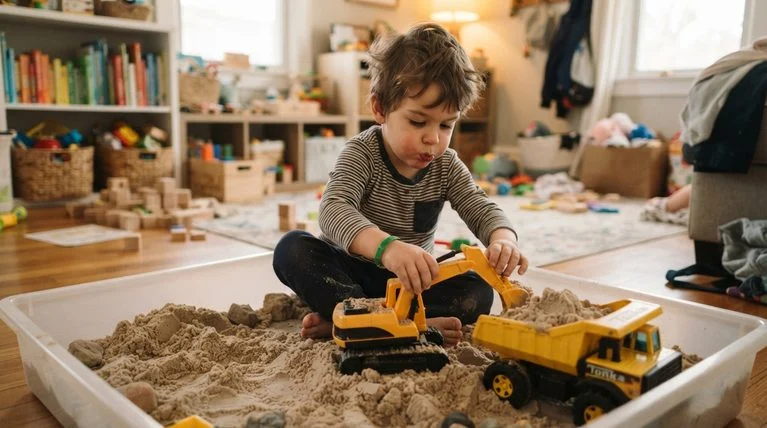
Sensory bins are a themed container filled with an easy base (rice, pasta, beans, or chickpeas) plus scoops, tongs, and small toys for open-ended exploration.
Popular sensory bin themes:
- Butterfly sensory bin
- Garden sensory bin
- Ladybug sensory bin
- Ocean sensory bin
- Dinosaur sensory bin
- Tropical beach sensory bin
- Calming lavender sensory bin
Sensory Bottles (Calm-Down Jars)
Sensory bottles are portable, mess-free tools filled with glitter, beads, or water beads. They’re one of the easiest calm-down tools for anxiety relief and visual sensory play — and they travel well in a diaper bag or car.
Try:
- Glitter jars or rainbow bottles
- Ocean wave bottles
- Holiday-themed sensory bottles

Playdough and Sensory Doughs
Homemade dough is a classic tactile activity that’s easy to customize with scent, color, or taste-safe ingredients.
Try:
- No-cook playdough
- Jello playdough
- Kool-Aid playdough
- Taste-safe frosting playdough
- Fairy dough
- Foam dough
- Lemon-scented dough
Taste-Safe Sensory Activities
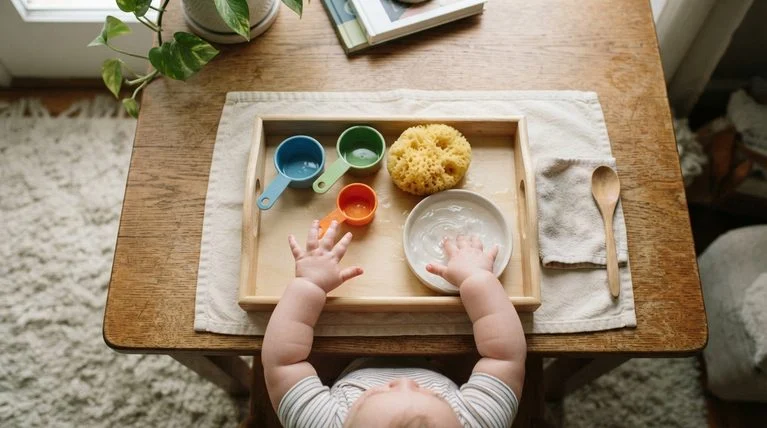
Perfect for toddlers and young kids who still explore materials with their mouths.
Try:
- Aquafaba (chickpea) foam
- Pudding dough
- Powdered sugar playdough
- Edible slime recipes
- Cloud dough
DIY Sensory Materials You Can Make at Home
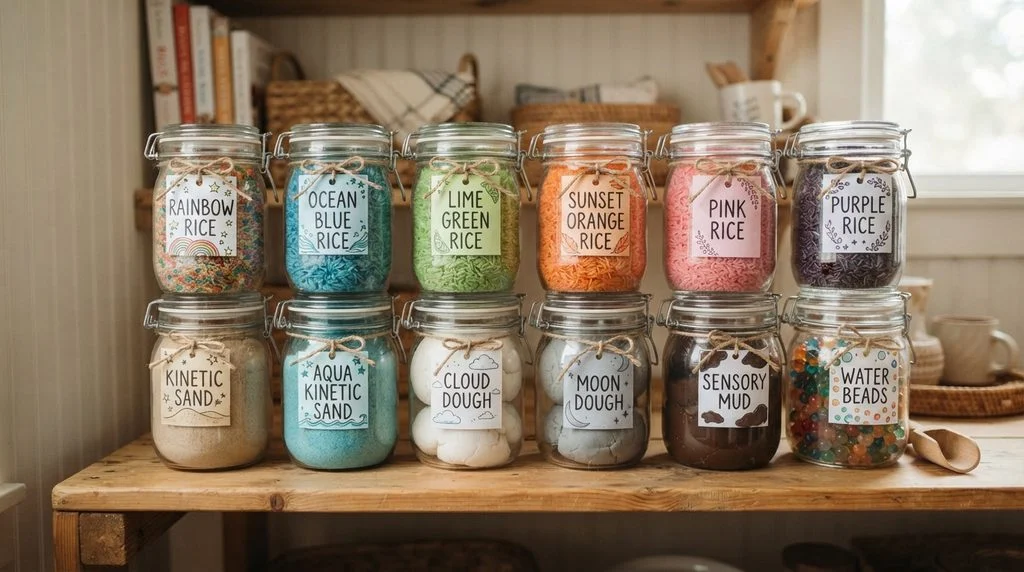
Many favorite sensory fillers are homemade and budget-friendly:
- Colored rice or pasta
- Colored chickpeas
- Cloud dough
- Kinetic sand
- Sensory foam or soap foam
- DIY glitter jars
- Stress balls
- Sand foam
- Clean mud
- Magic mud
More Sensory Activities for Kids by Theme
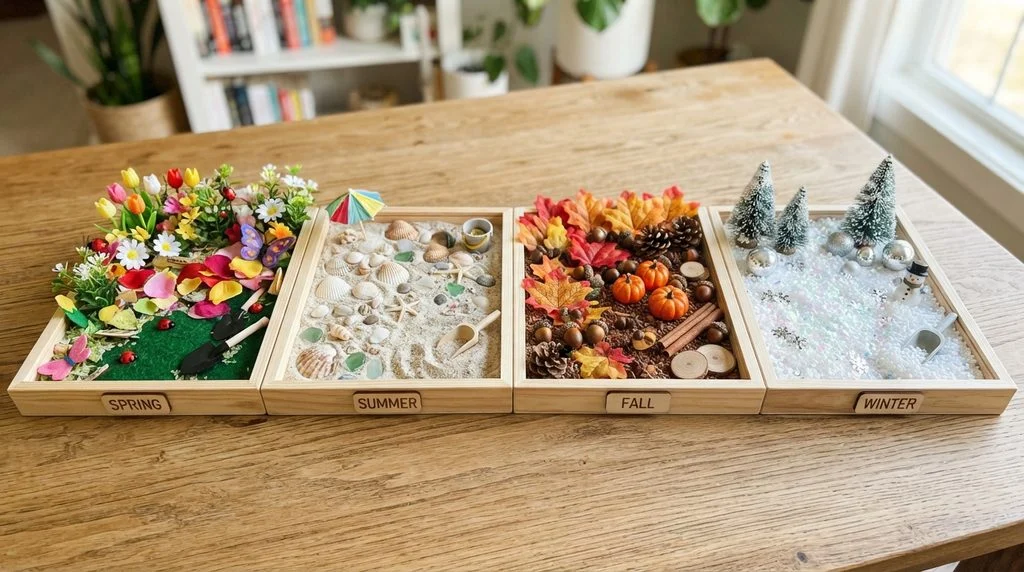
For seasonal inspiration, explore our spring sensory activities for kids. If you want homemade doughs, foams, and other mixable materials, see these sensory play recipes for kids.
To make this guide even more useful, these extra sensory activities for kids are grouped by theme. They add edible play, mess-free bags, early-learning sensory ideas, themed bins, seasonal setups, and tactile crafts without changing the main sensory-system structure above. Choose the sensory activities for kids that best match your child’s age, interests, and comfort level.
Edible & Taste-Safe Sensory Bins
Perfect for toddlers who still explore everything with their mouths.

1. Hot Chocolate Sensory Bin
Fill a bin with a chocolate puff cereal and mini marshmallows, add small cups and spoons, and let kids “make” their own hot chocolate — scooping cereal into cups and topping it with whipped cream.
2. Pumpkin Spice Sensory Bin
Bake and crumble a pumpkin-flavored cake mix into a bin, add coffee cups, spoons, and a dusting of cinnamon over whipped cream in small cups. Kids scoop and “brew” their own pumpkin spice drink.
3. Peppermint Mocha Sensory Bin
Crumble a cooled chocolate cake into a bin, then set out mini cups with whipped cream and crushed candy canes. A fun toddler-safe, fully edible bin for the holidays.
4. Fruit Loop Color Sort
Dump fruit-loop cereal into a bin along with color-labeled cups, and have kids sort each piece by color — a simple activity that doubles as a snack.
5. Lucky Charms Sorting & Graphing
Dump a box of marshmallow cereal into a bin with labeled cups. Kids sort the marshmallow shapes by type, then graph how many of each they found — an easy, playful intro to graphing.
Mess-Free Sensory Bags & Bottles
Great for babies, toddlers, or anyone who’d rather skip the cleanup.
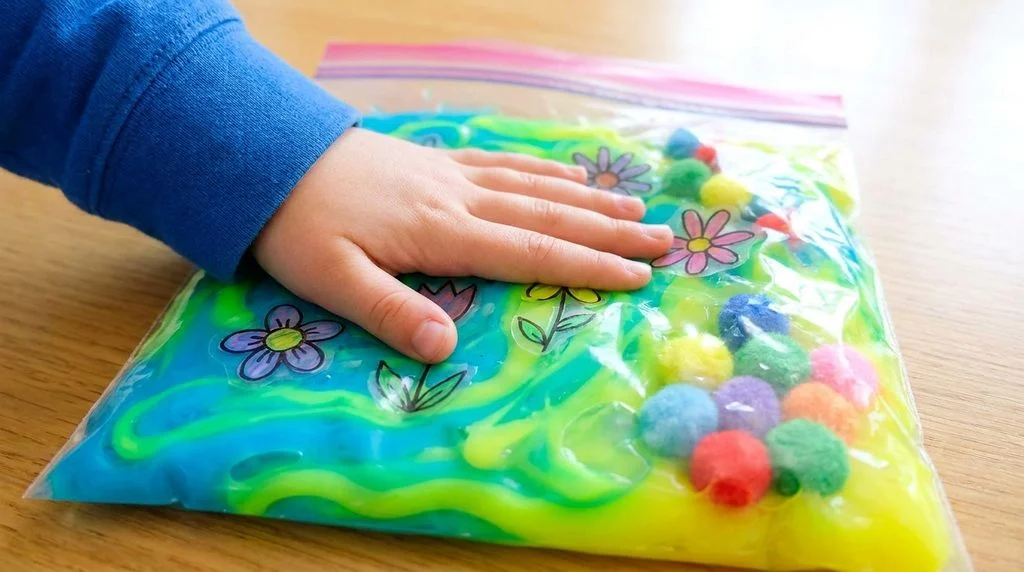
6. Flower Push Sensory Bag
Draw flowers on a sealed bag filled with hair gel and a splash of water, then drop in pom-poms. Kids push the poms around inside the bag to “fill” each flower — no mess involved.
7. Alphabet Match Sensory Bag
Write letters on a sealed bag filled with hair gel, then drop in loose foam letters. Kids slide each letter to match it with its printed twin on the bag.
8. Night Sky Sensory Bag
Fill a bag with hair gel, black food coloring, and star glitter, then lay it over a printed nighttime alphabet sheet so kids can search for hidden letters.
9. Snowman Rebuild Bag
Draw a snowman on a gel-filled bag, add snowman accessories inside, then tape the bag down and challenge kids to slide the pieces back into place — a fun timed game for repeat play.
10. DIY Sensory Bottles
Fill a clear bottle mostly with clear glue, top it off with water, then drop in small trinkets like gems or glitter. Seal tightly and let kids shake and watch the objects drift — a calming, mess-free favorite.
11. Sky-Themed Sensory Bottle & Bin
Dye rice blue for a sky effect, fill a bin with it, and add rainbow pom-poms and cotton-ball clouds. Kids can scoop the rice straight into their own sensory bottle to take the play further.
Letter, Number & Fine Motor Sensory Play
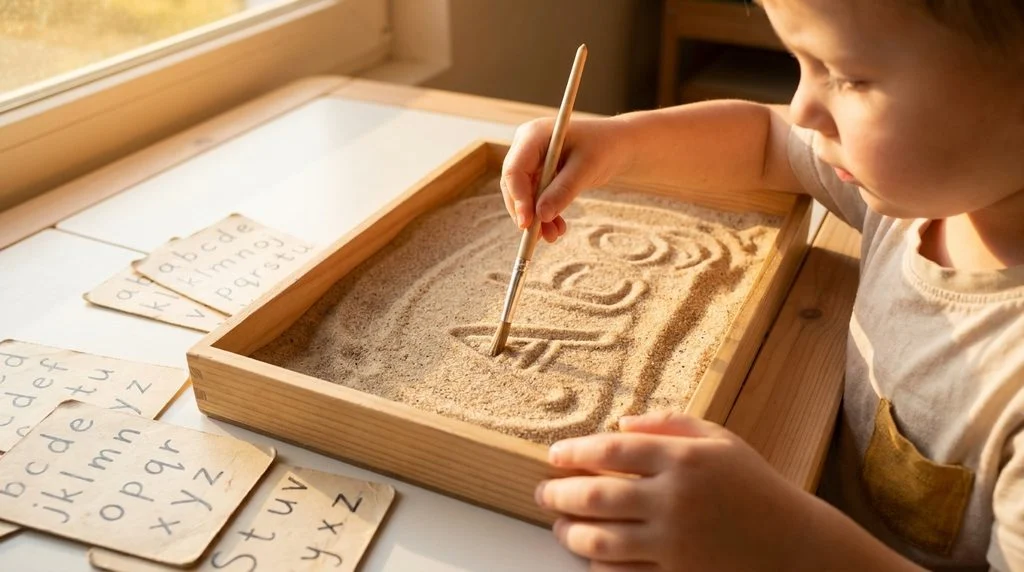
12. Sand Writing Tray
Fill a shallow tray with sand and let kids trace letters with a finger, paintbrush, or Q-tip — a low-pressure way to practice handwriting without worrying about staying inside the lines.
13. Bubble Foam Letter Search
Blend dish soap, water, and food coloring into colorful foam, pour it into a bin, and hide letters inside for kids to scoop out and identify.
14. Alphabet Soup
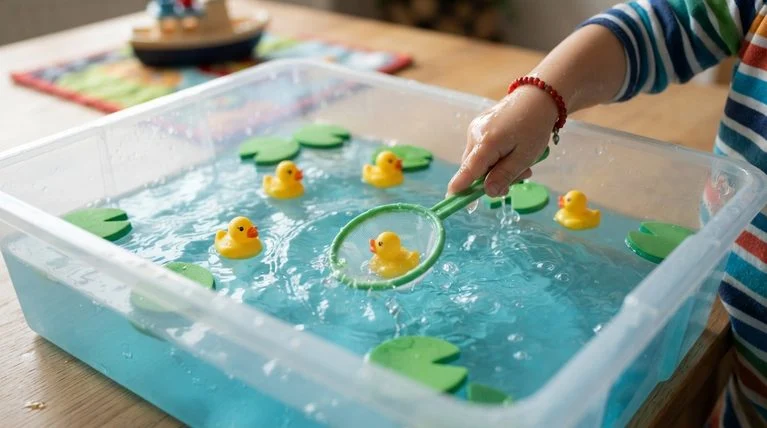
Add plastic or foam letters to a bin of water, then have kids “cook” recipes by scooping specific letters into a bowl or recycled soup can — older kids can spell out sight words instead.
15. Snowy Letter Match
Mix up a batch of fake snow, hide letters throughout, and have kids use kid-safe tweezers to find and match each one to a printed worksheet.
16. Construction Site Alphabet
Write letters on small stones with a marker, bury them in a bin of dry brownie mix, and add construction toys so kids can “excavate” each letter with a toy dump truck or shovel.
17. Playdough Letter Stamps
Roll out playdough and press in letter stampers, saying each letter aloud — older kids can try stamping out their name or simple words.
18. Rainbow Dyed Rice (3 Ways)
Dye rice with a bit of acrylic paint and let it dry, then use it three ways: glue it onto paper for a rainbow craft, scoop it between containers for pouring practice, or spread it in a tray for letter tracing.
19. Feed & Count Dinosaur Cups
Tape a dinosaur face with an open mouth onto a cup, fill a bin with colorful pom-poms, and have kids count out the right color and quantity to “feed” the dinosaur using tweezers.
20. Stuff the Turkey
Tape a turkey face onto a cup and fill a bin with pom-poms. Kids use tweezers to “stuff” the turkey by dropping pom-poms inside — great fine motor practice around Thanksgiving.
Dinosaur, Ocean & Space Themed Bins

21. Dinosaur Oobleck Habitat
Mix cornstarch and water into brown “mud” oobleck on one side of a tray, with fake grass on the other, and let kids explore which dinosaurs belong in the water versus on land.
22. Dinosaur Dig & Bath
Hide toy dinosaurs in a bin of flour-and-oil “sand,” let kids excavate them with a paintbrush like a paleontologist, then rinse them off in a bin of soapy water.
23. Ocean Oobleck
Blend blue-tinted cornstarch oobleck with a side of sand, add ocean animal toys and shells, and talk through which creatures live where as kids explore both textures.
24. Mermaid Sensory Bin
Layer colored play sand with glitter, shells, gems, and mermaid figures — add a bin of water alongside for kids who want to mix the two together.
25. Moon Sand Space Bin
Mix flour and oil into a crumbly moon-dough texture, then add space-themed toys for pretend astronaut play while chatting about the moon and planets.
Holiday & Seasonal Bins

26. Halloween Jell-O Excavation
Set Halloween-colored Jell-O in a tray with small plastic bones, spiders, and eyeballs mixed in, then let kids use tweezers or scoops to dig out each item — no sticky-handed mess required if they use tools.
27. Googly Eye Soup
Tint water with food coloring, dump in googly eyes, and add small cauldrons and a ladle for pretend potion-brewing and scooping practice.
28. Christmas Cookie Cloud Dough
Mix flour, oil, and vanilla into a soft cloud dough, then add cookie cutters and cups so kids can “bake” pretend Christmas cookies.
29. Dental Hygiene Sensory Bin
Dye rice pink, fill a bin with it, and add toy dental tools — a fun way to talk through the importance of brushing, flossing, and dentist visits.
Sensory Crafts
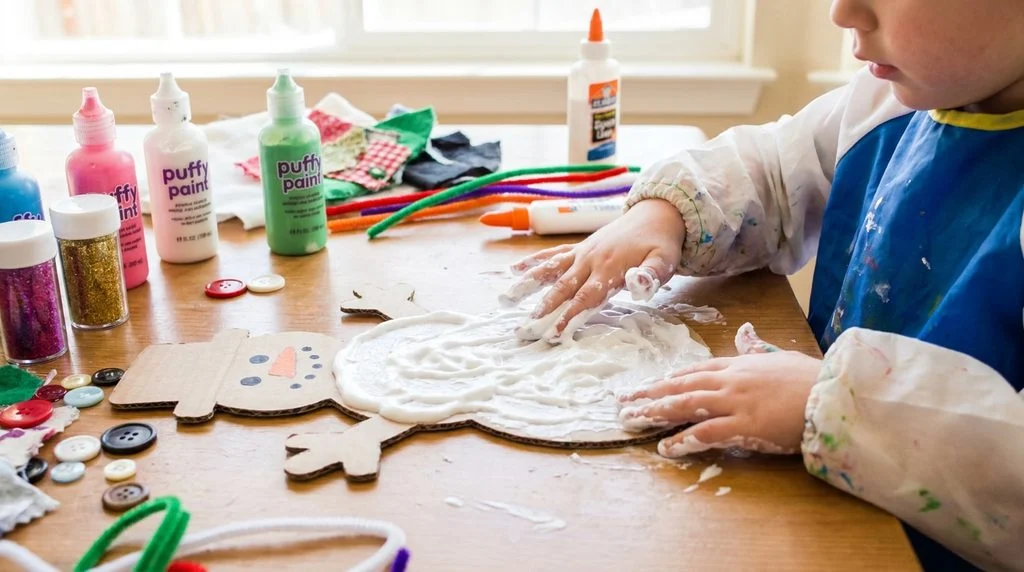
30. Puffy Paint Snowman
Mix equal parts shaving cream and glue for an instant puffy paint, spread it into snowman-shaped circles drawn on cardstock, then add on hat and scarf details.
31. Puffy Paint Farm Animals
Draw farm animal outlines on cardboard, paint the faces and feet, then let kids spread puffy paint (glue and shaving cream) over the body and add textured extras like straw or yarn.
32. Fish Color Match Craft
Create playdough fish bodies on painted cardboard, add paper fins and googly eyes, then dye small pasta pieces to use as scales — kids match each pasta color to the matching fish.
33. Lion Pasta Mane Craft
Cut a lion face from cardboard, add a painted face and spaghetti whiskers, then glue on dyed bow-tie or spiral pasta around the edges to form a textured mane.
34. Car Wash Sensory Play
Mix shaving cream with food coloring in several bowls, let kids “wash” toy cars in the colorful foam with sponges, then rinse them clean in a bin of plain water.
There is no single best setup for every child. The most useful sensory activities for kids are the ones that fit naturally into your routine and feel comfortable, engaging, and manageable for your child.
Final Thoughts on Sensory Activities for Kids
You don’t need a special kit or a big budget for effective sensory activities for kids — most of these activities use items you already have at home or access to a backyard or playground. Pick a few from the categories that fit your child best, and build them naturally into everyday routines like play time, homework breaks, or winding down before bed.