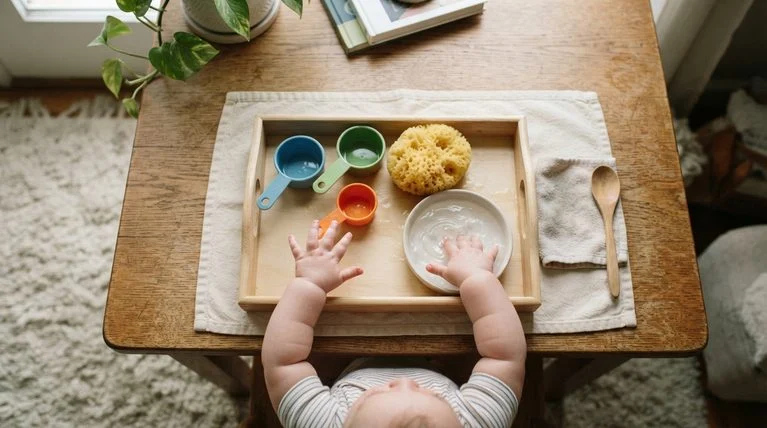
20 Spring Sensory Play Ideas Kids Will Beg to Do Again
Spring is the easiest season to get into sensory play. Warmer weather means more outdoor space, fresh nature materials are free for the taking, and Easter-themed supplies show up in every dollar store aisle.
Below are 20 spring sensory activities organized into four simple categories: water play, dough and dirt, science reactions, and outdoor nature play. Most use things you already have at home, and every one is open-ended, so kids can lead the play instead of following a script.
Why Spring Sensory Play Is Worth the Setup
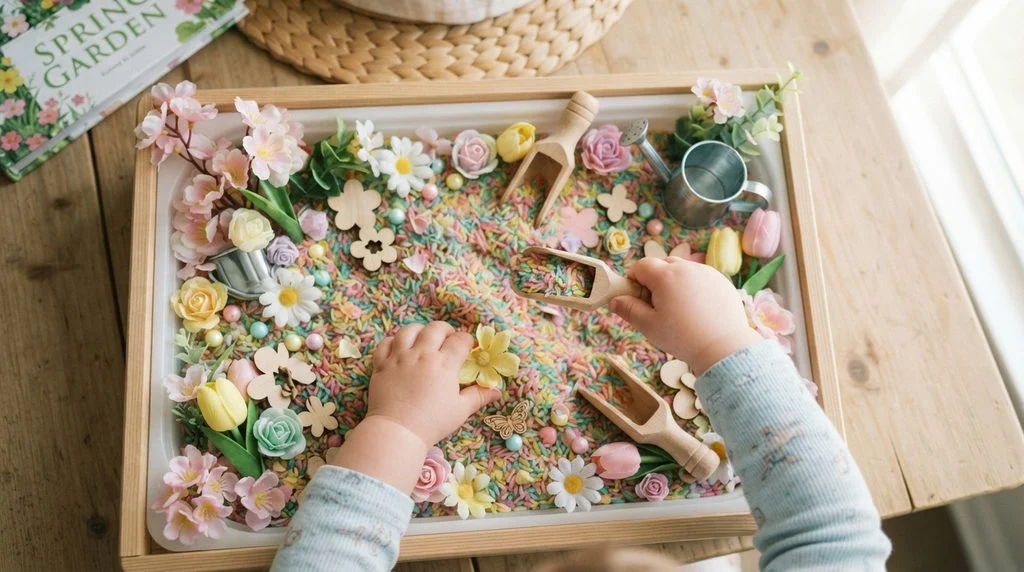
Sensory play looks like messy fun, but it’s doing real developmental work. While kids scoop, pour, dig, and squeeze, they’re building fine motor strength, practicing early language, learning cause and effect, and — just as important — regulating their nervous system. For young children, this kind of hands-on exploration is how they process the world, not a break from “real” learning.
It’s also one of the easiest ways to be present with your kids without needing to entertain them. Set up the bin, sit nearby, and let them take the lead. Some of the best conversations happen over a tray of colored rice.
A few ground rules before you start:
- Supervise young kids closely, especially with small parts or anything that could be a choking hazard
- Keep citrus-based sensory play (like lemon water) out of direct sunlight, since citrus can irritate skin in strong sun
- Move messier activities (dirt dough, oobleck) outside or onto an easy-to-clean surface
- If a child seems overwhelmed by a texture, don’t push it — offer a drier or less intense version instead
Water and Sensory Table Play
These ideas work in a water table, a large bin, the kitchen sink, or the bathtub — no special equipment required.
1. Flower Soup Fill a bin or table with water and add flower petals, small cups, and ladles. Let kids collect a few nature “extras” like sticks or leaves to toss in. Handing over old pots and pans instantly makes this feel like real cooking.
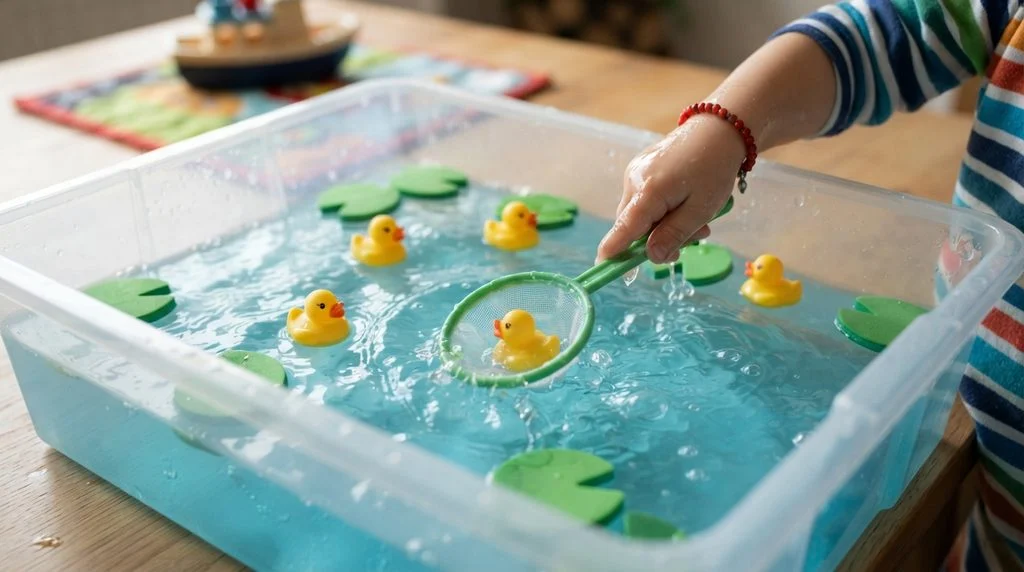
2. Duck Pond Dye the water blue, float a few foam lily pads, and drop in plastic ducks. Add a small net for scooping. For an early-math twist, toss in pom poms as pretend food and ask kids to feed the ducks a specific number of “snacks.”
3. Easter Egg Rescue Hide small toys inside plastic Easter eggs and drop them into the water table or bathtub. Kids scoop the eggs out with a ladle and open them to discover what’s inside. Eggs with a few small holes poked in them add a fun dripping effect.
4. Ocean Cleanup Fill the table with water, toy boats, and ocean animals, then hide small pieces of recyclable “trash” for kids to sort and remove. It’s a simple, hands-on way to start a conversation about caring for the environment.
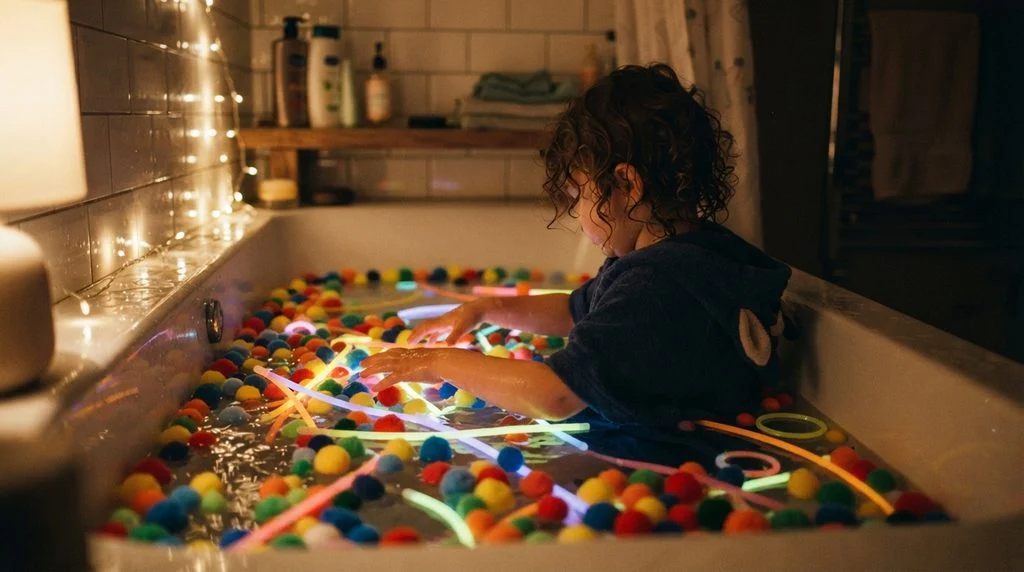
5. Rainbow Bath Toss pom poms, glow sticks, and a few rainbow-themed toys into the bathtub, then dim the lights for a calming, magical bath. This one doubles as a great wind-down activity before bed.
Dough, Dirt, and Small Worlds
Small-world play invites open-ended, imaginative exploration — there’s no “right” way to play, so just set it out and let kids explore.
6. Dirt Dough Garden Mix cooked flour, oil, and a little cocoa powder into a rich, dirt-colored dough. Kids can build a garden with sticks, flowers, and small figurines, or turn it into a bug hunt. Keep pets away from any dough made with cocoa powder, and store leftovers in a sealed bag for a few weeks.
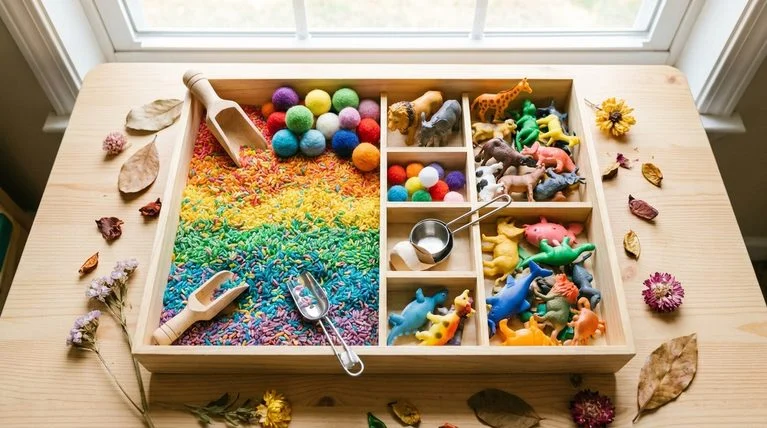
7. Fairy Garden Rice Bin Color rice with a little vinegar and food coloring, then let it dry before adding tiny figurines, stones, and real flowers. A big batch of colored rice keeps for months in a sealed container, so it’s worth making extra.
8. Build a Bird Nest Set out playdough, twigs, dried grass, cotton, moss, and small toy eggs, and let kids build their own nest. It’s a simple way to introduce how animals care for their young — and pairs well with any bird-themed lesson.
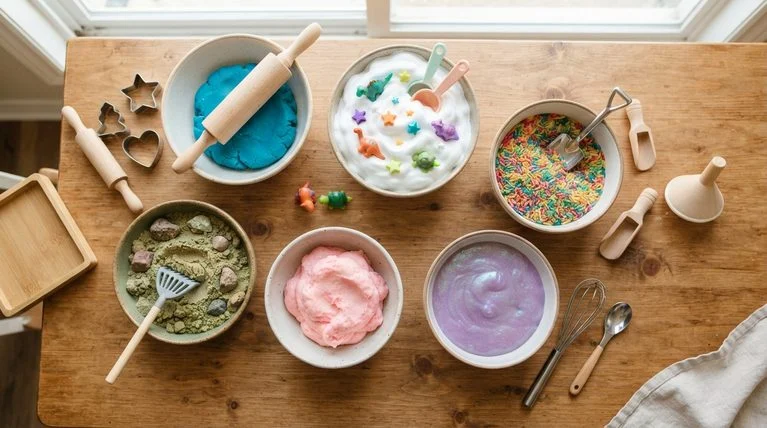
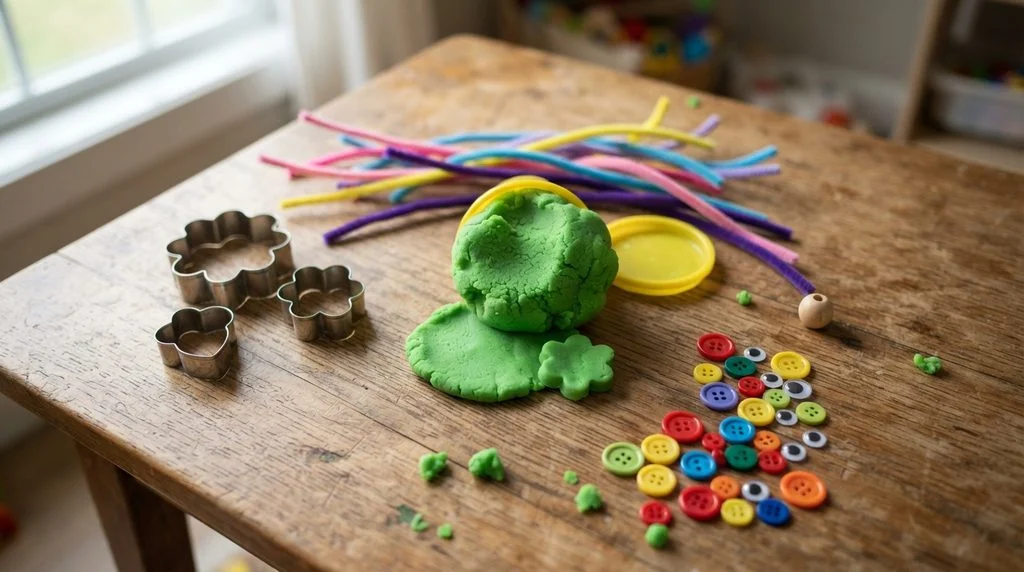
9. Spring Garden Playdough Pair playdough with pipe cleaners, buttons, and flower-shaped cookie cutters for open-ended garden building. Swap in brown dough and rocks for an “insect dirt garden” variation.
10. Dirt Oobleck with Insects Mix two parts cornstarch to one part water, plus a little cocoa powder, for a mud-textured oobleck. Add plastic insects for kids to dig out, then rinse them in a separate container of clean water. Oobleck is a non-Newtonian fluid — it behaves like a solid under pressure and a liquid when left alone — which makes for a fun mini science lesson on the side. If a child dislikes the texture, let it dry out and turn it into a “dirt dig” instead.
11. Flower Planting Bin Fill a bin with brown-dyed rice, potting soil, or real dirt, then add fake flowers, small clay pots, gardening tools, and plant labels. Kids can plant, replant, and rearrange as many times as they like.
12. Foam Bead Bugs Foam sensory beads (sometimes sold as “pluffle”) paired with small rainbow bugs make a light, low-mess option that’s a good starting point for sensory-sensitive kids or anyone new to sensory play.
Science and Reactions
These have a built-in “wow” moment — set them up, step back, and let kids discover the reaction themselves.
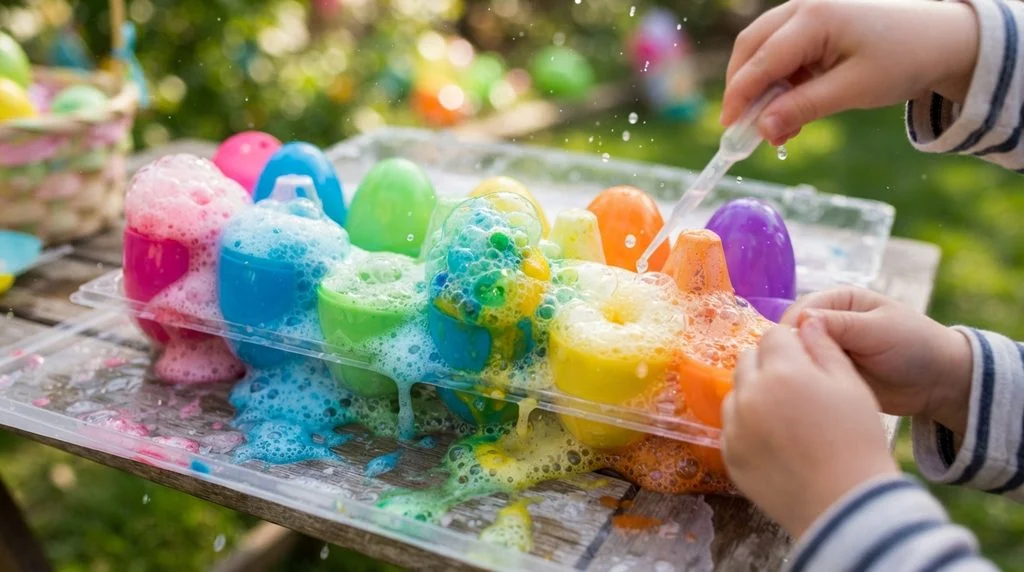
13. Fizzy Easter Eggs Pack baking soda into plastic Easter eggs, set them in a tray, and let kids drip vinegar in for a fizzy reaction. A few drops of food coloring in the vinegar makes the fizz extra fun to watch.
14. Gelatin Excavation Set small toys inside gelatin and let it firm up overnight. Kids use small tools — popsicle sticks or plastic spoons work well — to slowly dig their toys free. Unflavored gelatin is far less sticky than flavored jello, which makes cleanup easier.
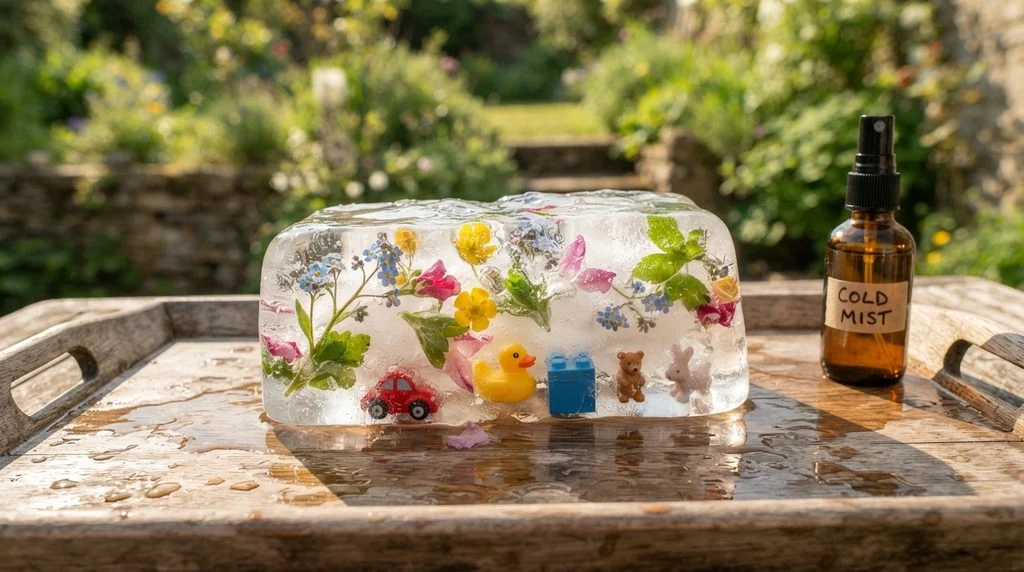
15. Frozen Flower Excavation Freeze flowers and small toys inside a block of ice, then let kids melt it free with warm water from a spray bottle or small cups. Adding food coloring to the water before freezing makes for a beautiful colored ice block.
Nature and Outdoor Play
These require the least setup and are perfect for days when everyone just needs to be outside.
16. Nature Soup Send kids out with a bucket to collect sticks, rocks, leaves, petals, and dirt, then let them “cook” it all into nature soup with old pots, pans, and ladles. No instructions needed — the less direction you give, the more creative it gets.
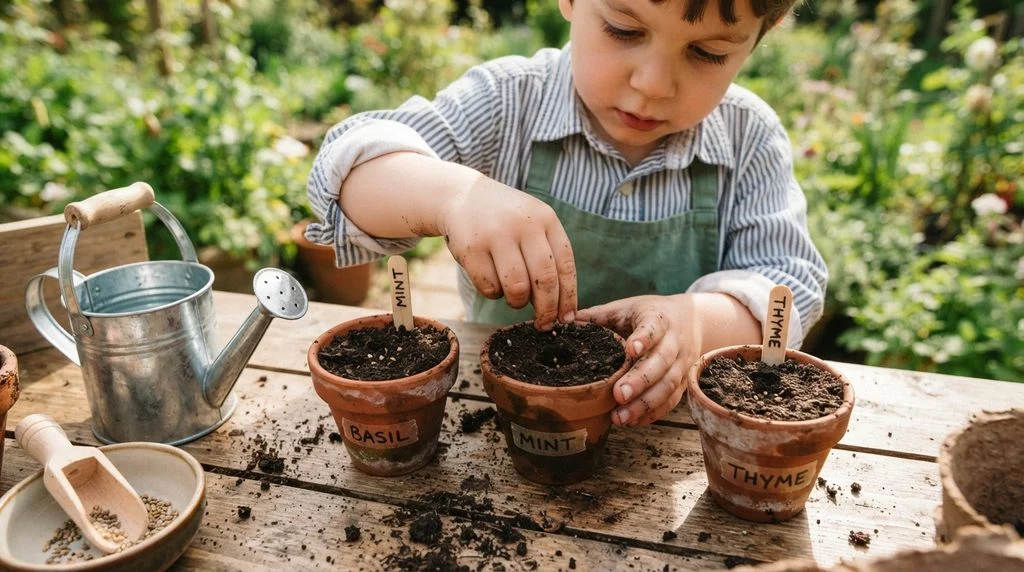
17. Plant Something Real Give kids real soil, seeds, small pots, and a watering can, and let them plant something they can actually watch grow. Fast growers like grass seed, bean sprouts, or radishes show visible results within days, which keeps young kids engaged.
18. Nature Paintbrushes Use flowers, leaves, and sticks as paintbrushes on paper. Taking this to a creek or park and painting with nothing but natural materials makes for a memorable outdoor art session.
19. Nature Sticky Canvas Tie sticks into a square and cover one side with clear contact paper or tape to create a sticky surface. On a nature walk, kids press flowers, leaves, and petals onto the canvas to build a picture as they go.
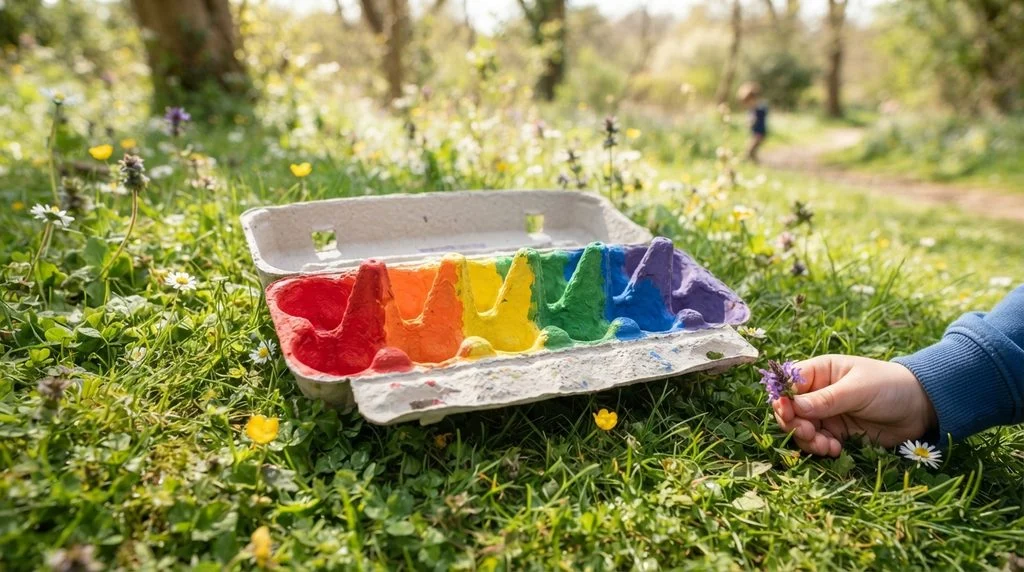
20. Color Scavenger Hunt Paint each cup of an egg carton a different color (or print a simple color chart), then send kids on a walk to find something in nature that matches each one. It’s free, endlessly repeatable, and gets harder naturally as kids get older — challenge them to find light green versus dark green, for example.
A Few Final Notes
You don’t need a Pinterest-perfect sensory shelf, a dedicated playroom, or expensive supplies to make any of this work. A bin, a few things from around the house, and a willingness to let things get a little messy for an hour is really all it takes.
Save this list for a rainy — or sunny — afternoon, and let your kids choose whichever idea sounds good today.