
25 Cute Animal Coloring Pages for Kids
A puppy in a bow, a lion with a petal-shaped mane, or an octopus carrying a seashell: sometimes one friendly animal is all it takes to get the crayons out. Animal pictures leave room for both familiar colors and wonderfully unexpected ones. A zebra can have purple stripes, and a penguin’s scarf can use every color in the box.
These 25 cute animal coloring pages for kids bring together pets, farm favorites, woodland characters, safari animals, and ocean friends. Each design keeps the animal at the center, with one small detail that invites a story or a new color choice.
Browse the ideas below to find a favorite. You will also find suggestions for choosing a comfortable difficulty level, preparing pages for coloring, and giving finished pictures another use.
Pick an Animal Your Child Wants to Color
Start with interest rather than the most impressive-looking drawing. A child who loves puppies might happily spend time on a plain puppy picture while ignoring a detailed forest scene.
The amount of detail matters, too. Large enclosed areas work well with broad crayon strokes. Narrow stripes, dense fur lines, and overlapping objects call for more careful movements. Choose a picture that suits the tool your child enjoys using.
| If your child prefers… | Try these designs | Keep the activity simple by… |
|---|---|---|
| Big open spaces | Puppy, lamb, chick, elephant | Offering a few colors and leaving the background blank. |
| Spots and stripes | Calf, fawn, giraffe, zebra | Choosing broad patterns with room between the outlines. |
| A little pretend play | Reading bear, fox with a kite, crowned elephant | Asking one optional question about the animal’s story. |
| Ocean animals | Seal, dolphin, octopus, sea turtle | Picking the simplest pose and adding details only if wanted. |
| A small extra challenge | Owl, parrot, penguin | Decorating an accessory or adding a background afterward. |
These are starting suggestions, not ability tests. A child can enjoy a very simple picture at any age, and an unfinished page can wait until another day.
Cute Pet Animal Coloring Pages
Familiar pets make a welcoming place to begin. These five pictures pair an expressive animal with an uncomplicated object, leaving plenty of room for your child’s own additions.
1. A Puppy With an Oversized Bow

A floppy-eared puppy wearing a big bow gives children two clear areas to color: the puppy and its accessory. Try a tan puppy with a green bow, or let your child invent a combination. Keep the coat plain so the bow stands out. When the picture is finished, ask your child to name the puppy and decide where it is going dressed up.
2. A Kitten Curled on a Cushion
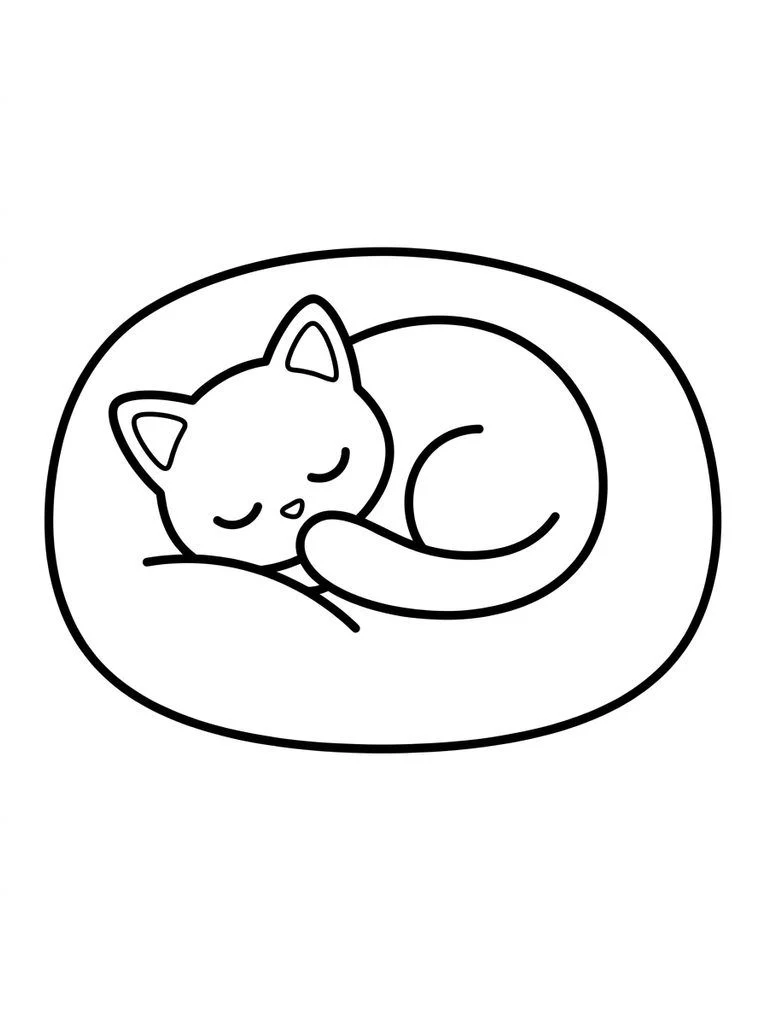
This little kitten is ready for a comfortable afternoon. Its curled body and broad cushion make a gentle design without lots of separate objects. Children can leave the kitten pale and give the cushion a bright color, or add their own large patches to its fur. A few stripes on the cushion can become an optional finishing touch for someone who wants more detail.
3. A Bunny Behind a Flowerpot

Two long ears peeking above a flowerpot make this bunny easy to recognize. Give the pot a color first, then choose a different shade for the rabbit. The large blank area on the pot can hold a child’s own flower, dot pattern, or initial. For a little storytelling, ask what the bunny has spotted on the other side of its hiding place.
4. A Hamster in a Paper Tunnel
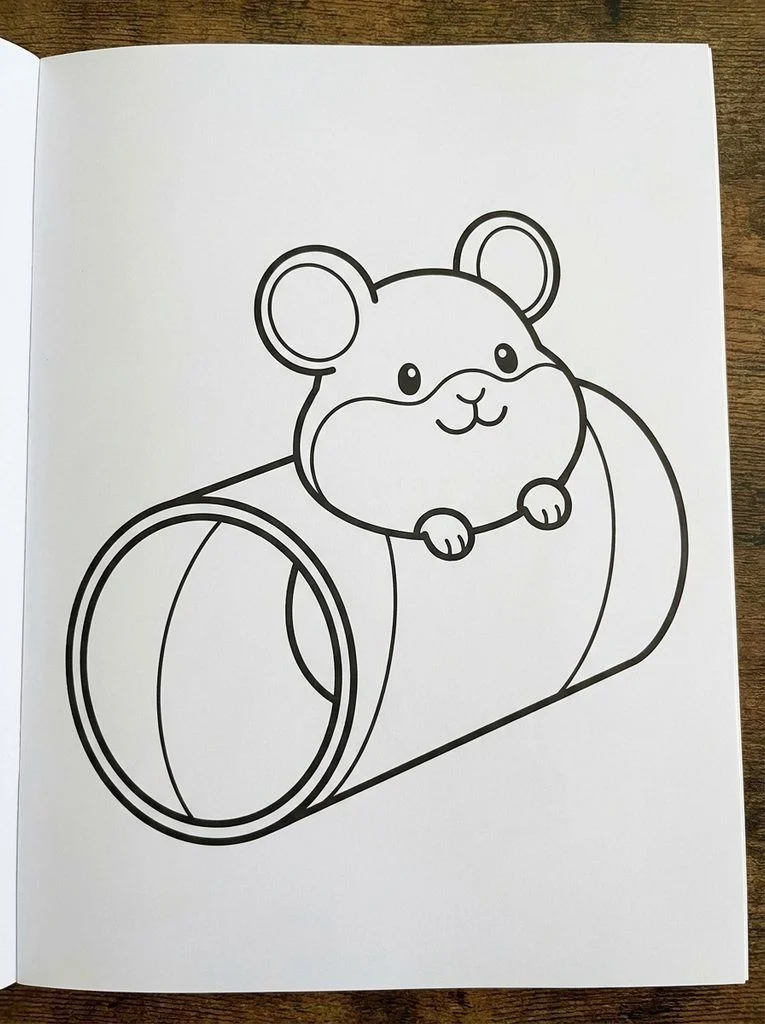
A rounded hamster looking out of a short tunnel makes a playful pet picture. Keep the tunnel opening wide enough that the animal’s face and front paws are easy to see. Children can color the tunnel like cardboard or turn it into a rainbow passage. An extra idea is to draw a simple path leading away from the opening after the main picture is colored.
5. A Parrot Beside a Hanging Bell

A parrot offers room for bold color choices without needing dozens of tiny feathers. Use one shade for the body and another for the folded wing or tail. The bell beside it adds a small contrasting shape. Children who prefer a simpler activity can color just the bird; others might invent a tune the parrot could whistle to its little bell.
Farm Animal Coloring Pages
Bring a few farmyard characters to the coloring table. These designs use broad coats, simple shapes, and small playful details rather than busy barn scenes.
6. A Calf With Big Patches

A calf with a few generous coat patches is a good choice for children who enjoy filling separate shapes. The patches can match or each have their own color. Leave some of the coat white if your child likes that look. Once finished, invite them to point out the largest patch and the smallest one, keeping it a conversation rather than a quiz.
7. A Lamb Beside a Fence Post
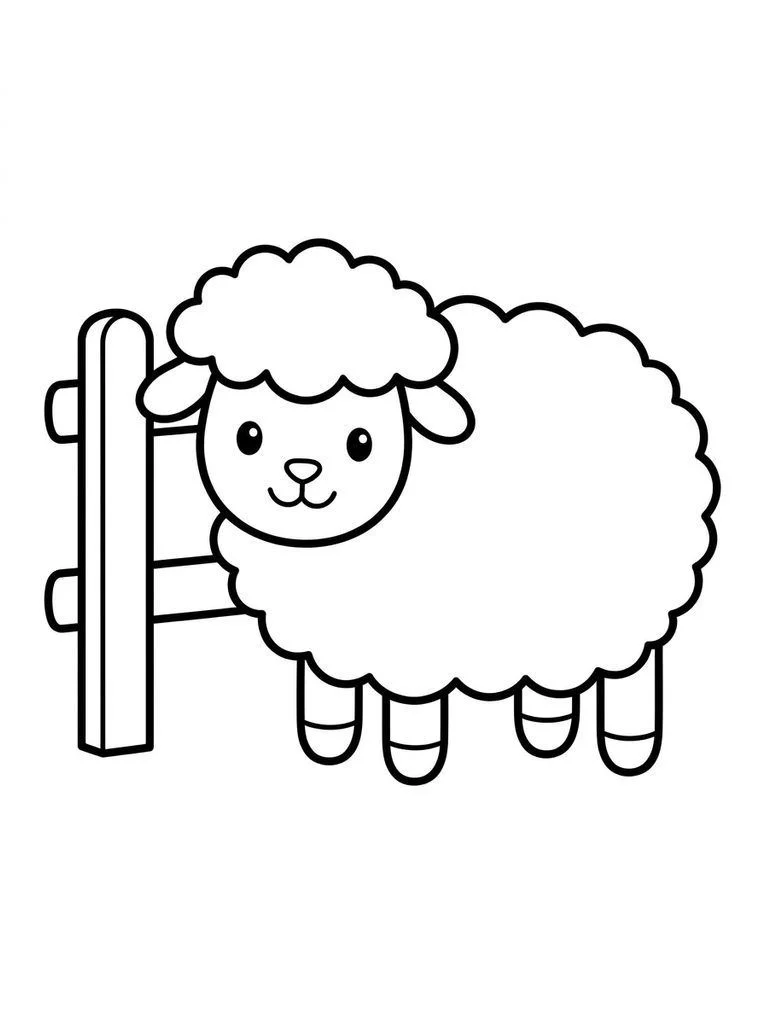
Choose a lamb with a cloud-like fleece outline rather than a body full of tiny curls. The open center leaves room for soft crayon strokes, while the fence post offers a different shape to color. Your child could give the lamb a pastel coat or leave its wool white. Ask whether this little character is waiting for a friend or exploring somewhere new.
8. A Piglet With a Muddy Boot
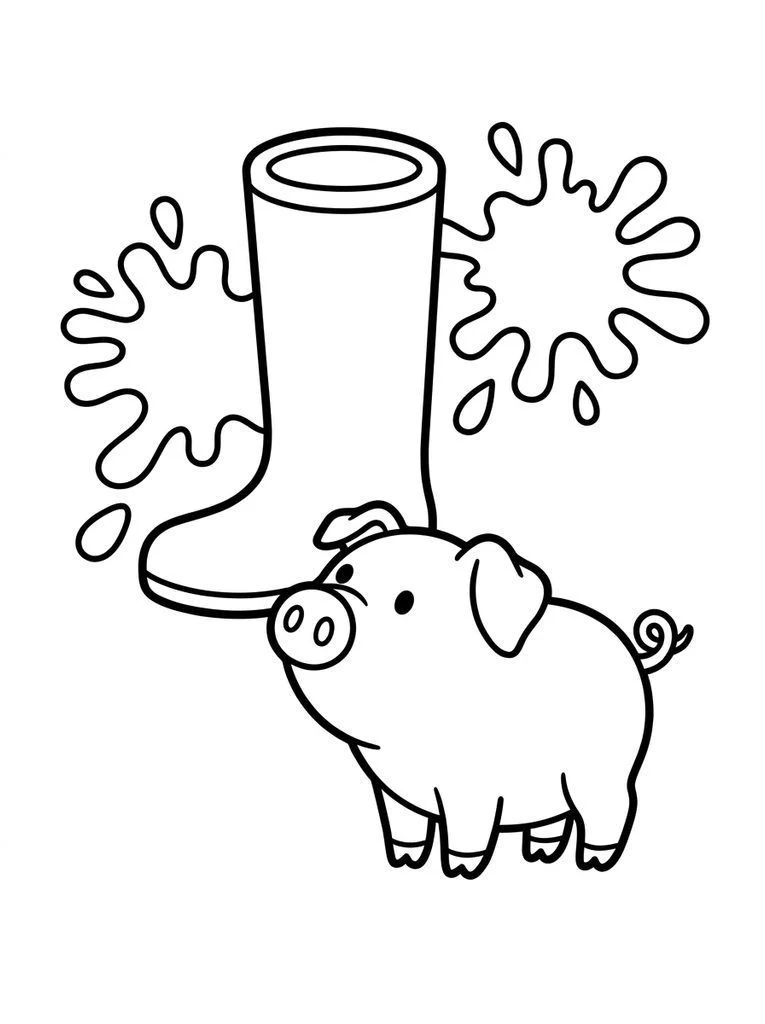
This piglet has discovered one big abandoned boot. The scene gives children a chance to mix a gentle body color with a bold accessory, such as a purple or orange boot. Keep the ground mostly blank so the page stays manageable. Your child can decide who lost the boot and whether the curious piglet is helping return it or making a new toy.
9. A Pony With a Ribboned Mane

A pony with a smooth mane and one ribbon gives young artists an inviting place to start. Color the mane as a single area before deciding on the body and ribbon. Older children can add broad strands with their crayons afterward. There is no need to draw every hair. The finished pony could become a character in a story about a friendly farm visit.
10. A Chick Under a Big Leaf
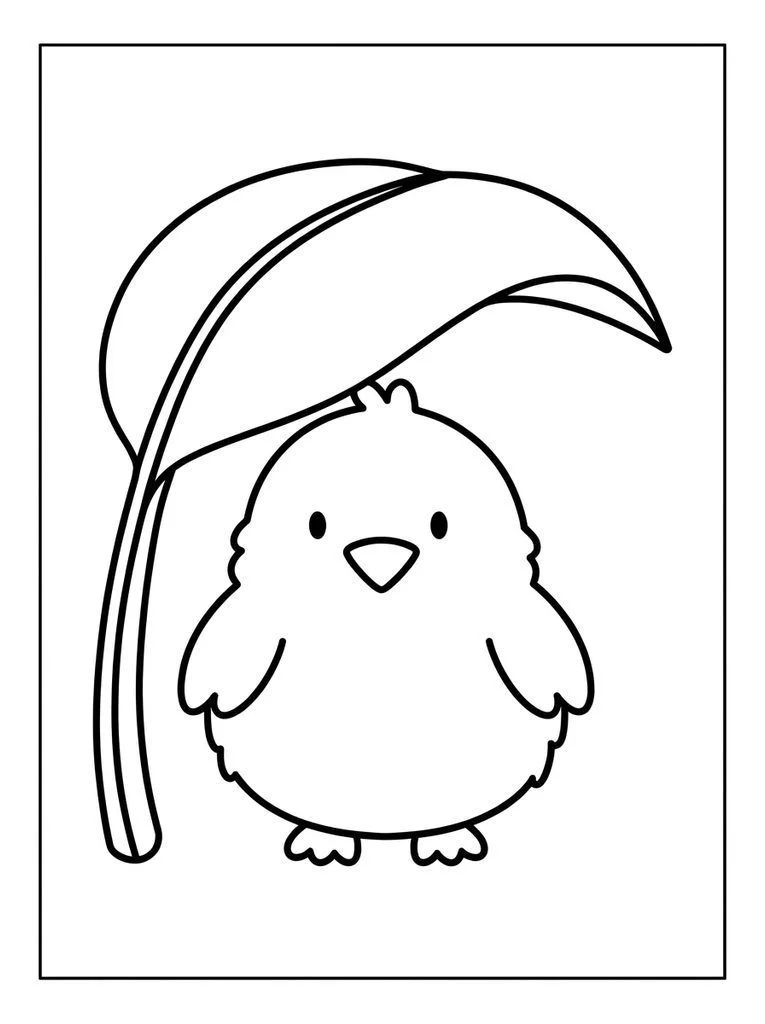
A chick sheltered beneath one oversized leaf creates a small scene with just two main subjects. Yellow and green are possible starting colors, but a pink chick under a blue leaf is equally welcome in an imaginary picture. Keep the leaf veins few and broad. Children can add their own raindrops later if they decide the chick is waiting for a shower to pass.
Woodland Animal Coloring Pages
These woodland characters have a storybook feel. Some scenes are deliberately imaginary, so children can enjoy inventing what happens around the animal.
11. A Fox With a Leaf-Shaped Kite

A sitting fox holding a kite string brings a little pretend play into a woodland theme. Give the fox and kite different colors so each is easy to see. The wide tail can stay one shade, with its tip left uncolored. For an optional extension, your child can draw the direction of the wind using a few sweeping lines around the kite.
12. A Bear Cub Reading a Book
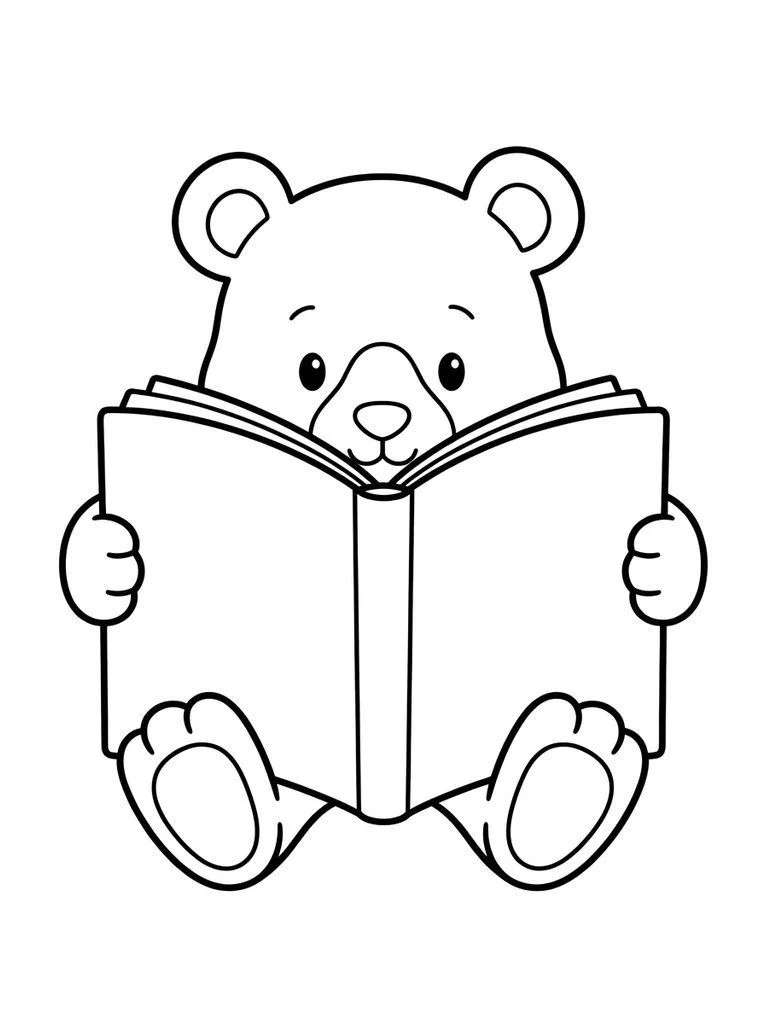
This bear cub has settled down with a book almost as wide as its tummy. The open pages and rounded paws make a cozy picture with large coloring spaces. Choose a bright cover, then let your child invent what the book is about. They might draw a small symbol on one page or tell you the first sentence of the cub’s story.
13. A Squirrel on a Tree Stump

A squirrel perched on a low stump gives children a rounded tail, a smaller body, and a broad base to decorate. Keep the bark simple so it does not compete with the animal. A child could use one color for the squirrel and another for its tail as a playful experiment. After coloring, ask what the squirrel might see from its little lookout.
14. A Fawn Beside a Mushroom
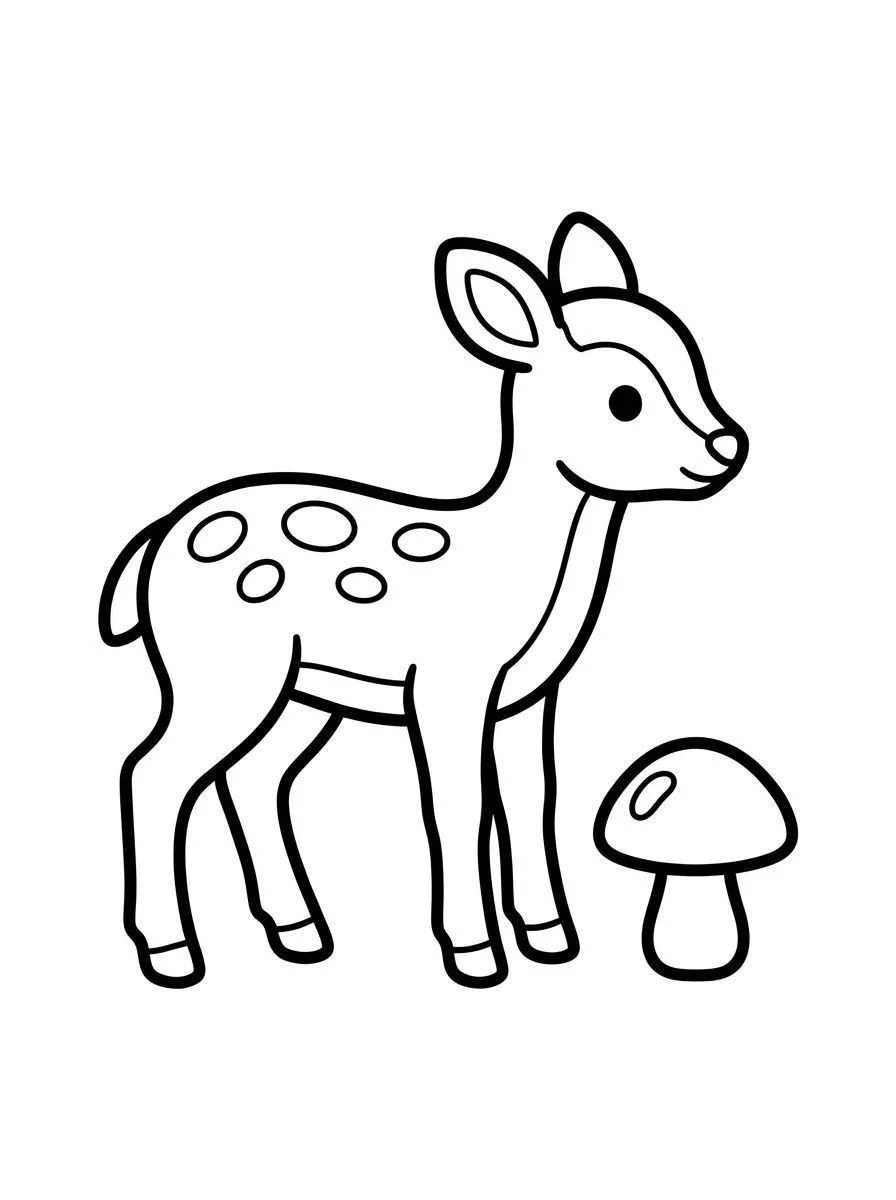
A small fawn and a broad mushroom offer a mix of long legs and rounded shapes. Keep the fawn’s spots large enough to leave white or color individually. Children can choose similar shades for the two subjects or make the mushroom especially bright. To extend the picture, they could add one patch of grass rather than filling the entire background with woodland details.
15. An Owl Inside a Tree Hollow

A large owl face framed by a tree hollow can feel easier than a whole forest scene. The two eyes, broad wings, and oval opening create clearly separated areas. Your child might make the hollow dark and leave the owl light, or use bright pretend colors throughout. Invite them to decide what the owl is watching from this snug doorway.
Safari Animal Coloring Pages
Long necks, broad ears, stripes, and a big mane give each of these animals a distinctive shape. The accessories add a playful twist without filling the whole page.
16. An Elephant With a Paper Crown

An elephant wearing a crooked paper crown makes a cheerful party character. The broad ears and trunk provide generous coloring areas, while the crown gives the page a bright finishing detail. Children can keep the elephant one shade and decorate the crown with their own marks. Ask what the elephant is celebrating, then let their answer guide any extra details they want to draw.
17. A Giraffe Looking Over a Wall

This giraffe’s long neck rises above a low wall, creating a tall picture without lots of background. Use large patches on the neck and keep the wall mostly plain. The wall can become a place for a child’s own drawing after coloring. Perhaps the giraffe is looking for its lunch, greeting someone, or wondering what is happening on the other side.
18. A Lion With a Flower-Shaped Mane
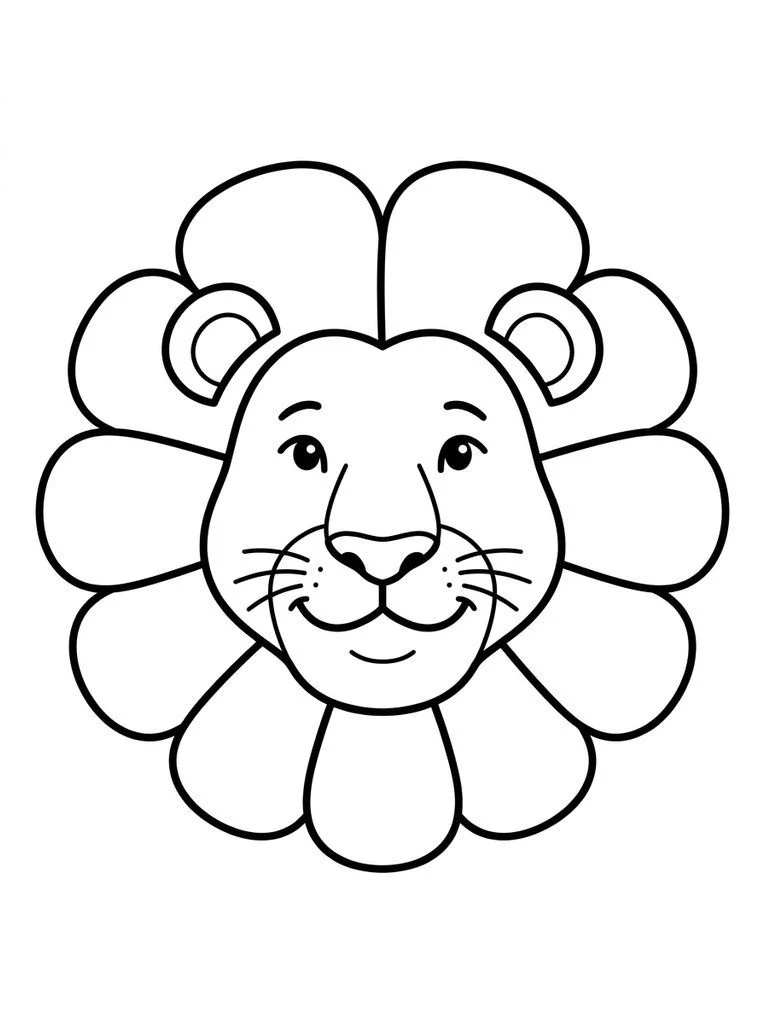
A round lion face surrounded by a mane shaped like broad petals makes a welcoming design. Each section of the mane can be colored separately, or the whole ring can share one shade. This page works well when a child wants a face without a complicated body. A playful finishing idea is to name the lion after the colors they chose.
19. A Zebra Beside a Watering Can

A zebra’s stripes offer a ready-made pattern to explore. Keep them wide and outlined, so your child decides which spaces to fill. The watering can adds a plain area where the eyes can rest between stripes. For an imaginary garden story, ask what this zebra plans to water. It might be one enormous sunflower or an entire field of tiny trees.
20. A Hippo With a Floating Toy Boat

A hippo peeking above the water with a toy boat nearby makes a friendly waterside picture. Its wide muzzle is the main coloring area, while the boat adds a smaller shape for a contrasting color. Keep the water to a few simple curves. Children can invent a name for the boat or add a flag after the main picture is finished.
Ocean Animal Coloring Pages
Finish with a collection of ocean friends. Keep the surrounding water simple, then let children decide whether to add waves, bubbles, or a little color of their own.
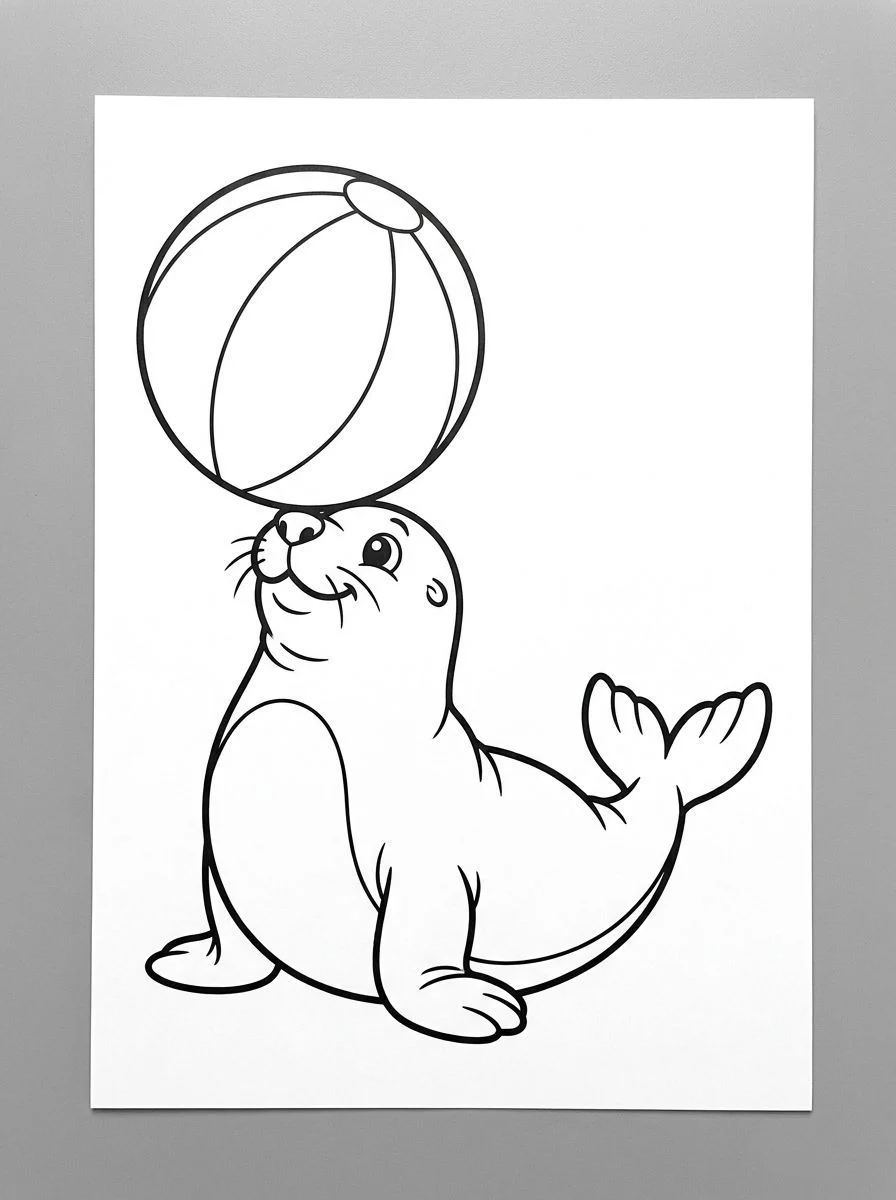
21. A Seal Balancing a Beach Ball
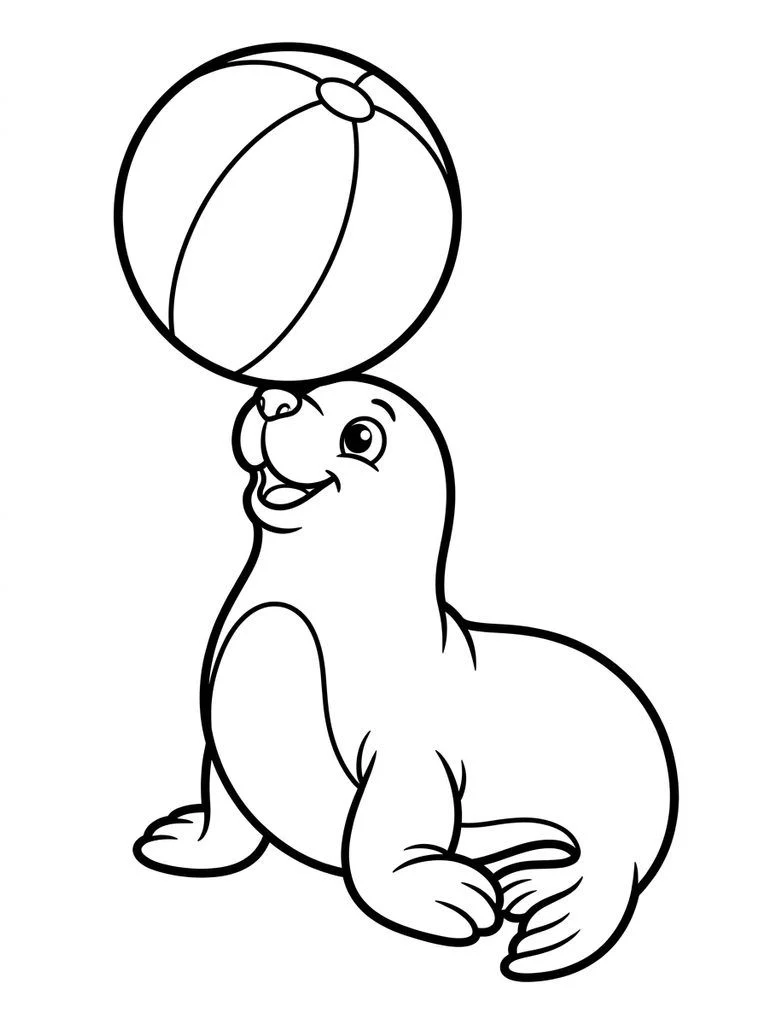
A rounded seal beneath a large beach ball gives children a picture built from soft curves. Divide the ball into a few wide panels so the coloring remains easy. Your child can make a repeating pattern on the ball while leaving the seal one color. As a pretend-play extension, ask whether the ball is about to bounce, roll, or float away.
22. A Dolphin Making a Heart-Shaped Splash
A dolphin above a simple splash brings movement into the collection. The splash can be blue while the dolphin takes on a completely different shade. Leave plenty of white space around both shapes so they do not feel crowded. Children who enjoy adding details can draw a few large droplets and decide whether the dolphin is greeting a friend or showing off a new jump.
23. An Octopus Holding a Seashell
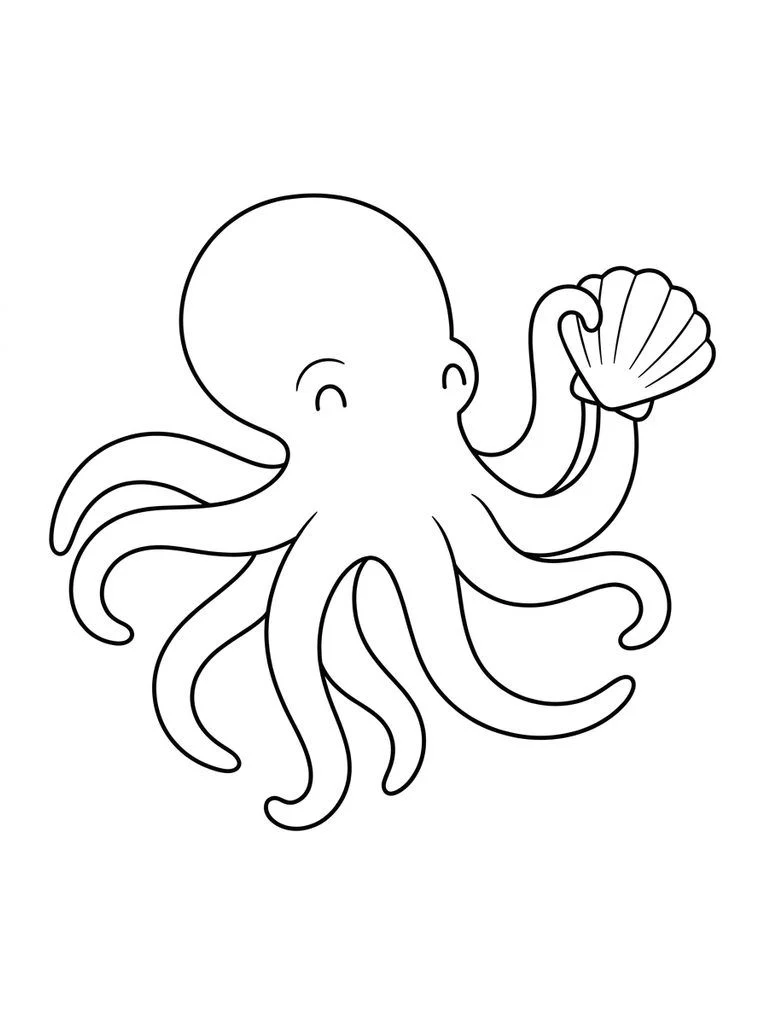
An octopus gives children several curving shapes to color. Choose a drawing with eight clearly separated arms and just a few details, so it stays easy to follow. One arm holding a large shell adds a focal point. Your child can give the arms different colors or keep them matching, then tell a story about where the shell was found.
24. A Sea Turtle With a Ribbon of Bubbles
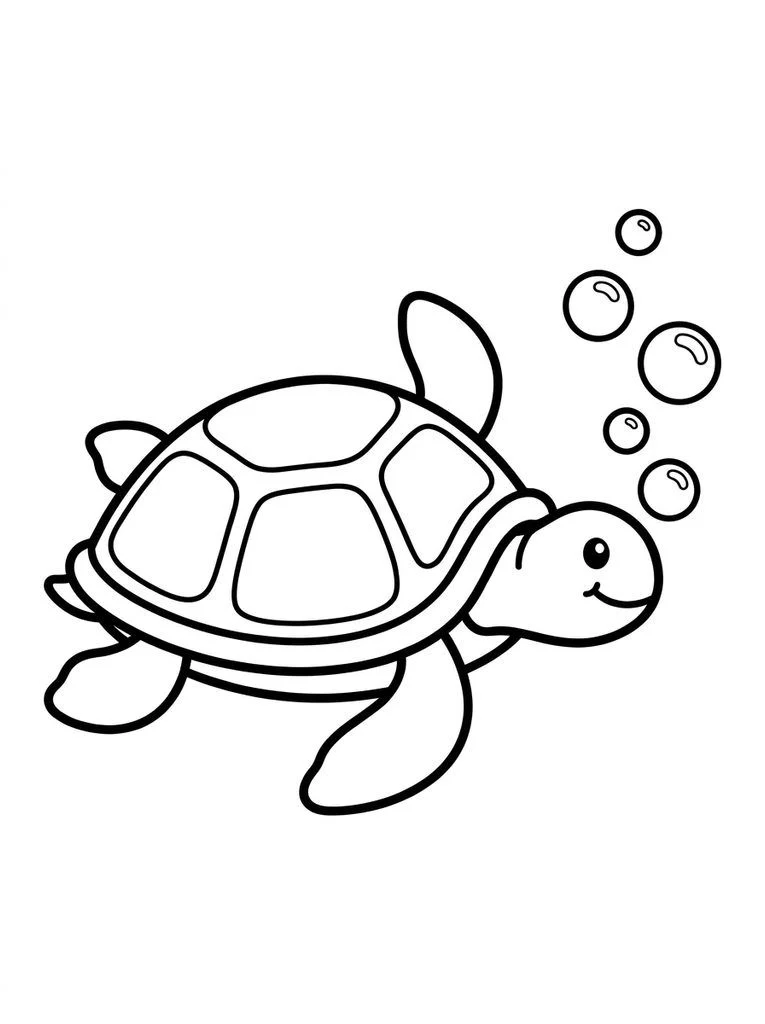
A sea turtle swimming beside a curve of bubbles creates a quiet ocean scene. Use broad shell sections and clearly visible flippers instead of tiny patterns. Children can color each bubble differently or leave them white. For a little extra drawing, they can continue the bubble trail across the page and imagine where the turtle is heading next.
25. A Penguin With a Cozy Scarf
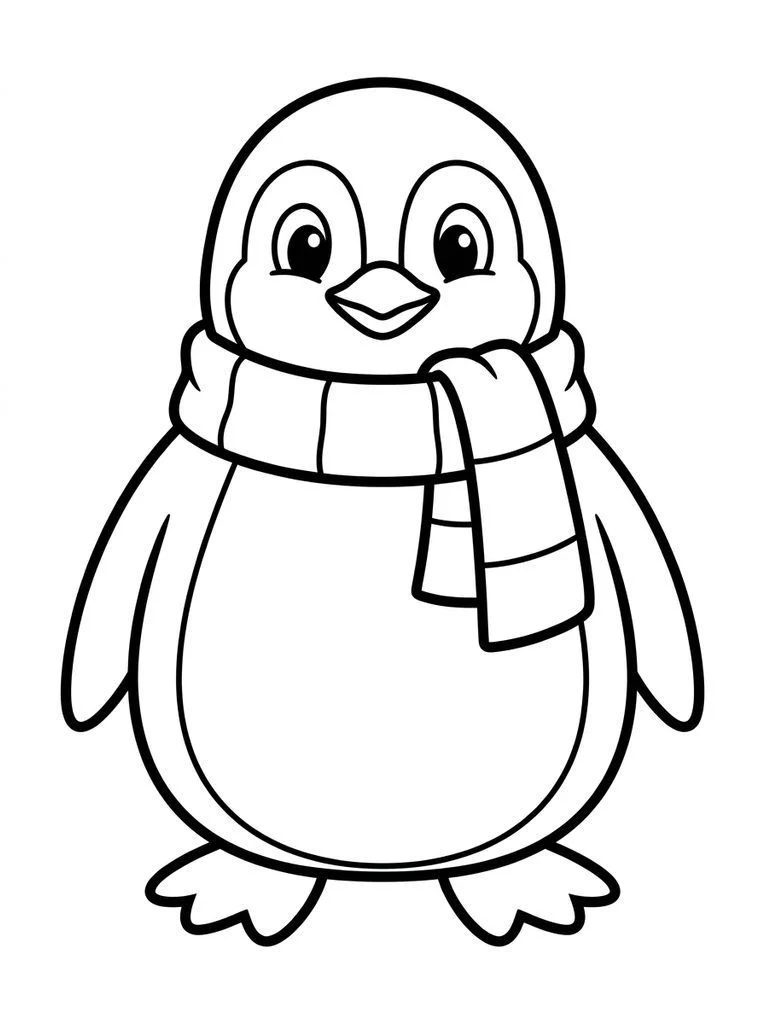
A penguin wrapped in a wide scarf ends the collection on a cozy note. The large tummy can remain white while the scarf becomes the colorful centerpiece. Keep its stripes broad, or leave it plain for a child to decorate. Once finished, ask your child to choose a name for the penguin and imagine what it has tucked away for a winter adventure.
How to Prepare Animal Coloring Pages
A few minutes of preparation can make the activity easier to enjoy. Keep the paper, coloring tools, and work surface ready before asking your child to choose a picture.
If you are printing a design, use a full-resolution image or a print-ready PDF. Small screenshots can turn crisp outlines into blurry edges when enlarged. Check the print preview so ears, tails, and fins stay inside the printable area.
Choose the paper size that matches what you loaded into the printer, such as A4 or US Letter. If the design is being cropped, try the setting that fits it within the printable area. Print one test page before making several copies.
Ordinary printer paper is a useful starting point for crayons. Put scrap paper underneath when using markers, and check that your printer supports a thicker paper before loading it. Use coloring supplies labeled for your child’s age and supervise young children.
You can also draw a simple animal outline on blank paper. Start with a rounded body, a clear face, and one feature that makes the animal recognizable. A plain outline leaves the rest of the design up to your child.
Keep Coloring Time Comfortable
Offer two or three pictures instead of a whole stack. Let your child pick the animal and decide where to begin. If they only want to color the elephant’s crown or the puppy’s bow, that can be the whole activity for now.
A page that slides around can be frustrating. Try a clipboard or a small amount of removable tape to keep it steady. Put the crayons within easy reach, with enough clear space for the child to rest their arms.
Avoid making every choice into a lesson. You can notice a pattern or ask about a color, but quiet coloring is welcome too. A simple comment such as “You gave the scarf three different colors” acknowledges the work without asking your child to explain every mark.
If the picture feels too busy, cover part of it with another sheet or switch to a simpler design. More detail is an option, not a goal everyone needs to reach.
Four Activities for Finished Animal Pictures
Make an Animal Story Strip
Choose three finished pictures and place them in a row. Invent a beginning, middle, and end that connects them. Perhaps the fox’s kite gets stuck, the giraffe spots it, and the elephant returns it. Your child can tell the story aloud or dictate a sentence for each picture.
Create a Color Hunt
Ask your child to find two pictures with the same color somewhere on them. A green parrot wing and a green scarf count even though the animals are different. Keep matching optional and playful; there is no need to color a new page just to complete a set.
Build a Small Animal Gallery
Let your child select a few favorites for a display. Put their chosen title beneath each picture on a separate slip of paper. Rotate the pictures when they want a change. A small gallery gives each piece room to be noticed without covering an entire wall.
Turn a Picture Into a Greeting
Fold a separate sheet of paper into a card and attach a finished animal picture to the front. An adult can help with cutting and sizing where needed. A crowned elephant could celebrate a birthday, while a reading bear might be a greeting for someone who loves books.
Frequently Asked Questions
Which animal coloring pages are easiest for young children?
Pictures with one large animal and few internal lines are useful starting points. In this collection, the puppy, lamb, chick, and elephant offer broad areas to color. Choose according to your child’s comfort and interests rather than relying only on an age label.
Do children need to use realistic animal colors?
No. For a creative activity, let children choose the colors they enjoy. If they want to make a realistic picture, you can look at an animal photograph together. Treat that as an optional direction rather than correcting an imaginary purple cow or rainbow parrot.
How can siblings use the same animal design?
Offer the same outline with different optional additions. One child can color the main animal, another can decorate its accessory, and another can draw a background. Avoid judging the pages by how much detail each child adds.
Can animal coloring pages be used in a classroom?
They can form part of a classroom art activity. Choose a manageable selection, prepare the supplies, and decide whether the activity is free coloring or connected to a topic you are teaching. For a group display, let each child choose their own colors so repeated outlines still feel individual.
What if my child does not want to finish the picture?
Put it aside or let them move on. They may want to return to it later, or they may have finished the part that interested them. A coloring activity does not need a completely filled page to be worthwhile.
How can I make a simple animal picture more interesting?
Invite your child to add a name, a pattern, a background, or a short story. Start with one suggestion and follow their response. A plain cushion, scarf, book cover, or flowerpot gives them space to add something personal without changing the whole drawing.
Choose one animal, set out a few colors, and see where the picture goes. The little detail your child adds—a spotted cushion, a patterned crown, or a boat with a name—may become the most memorable part.
