24 Easy Coloring Pages for Kids: Simple Ideas for Little Artists
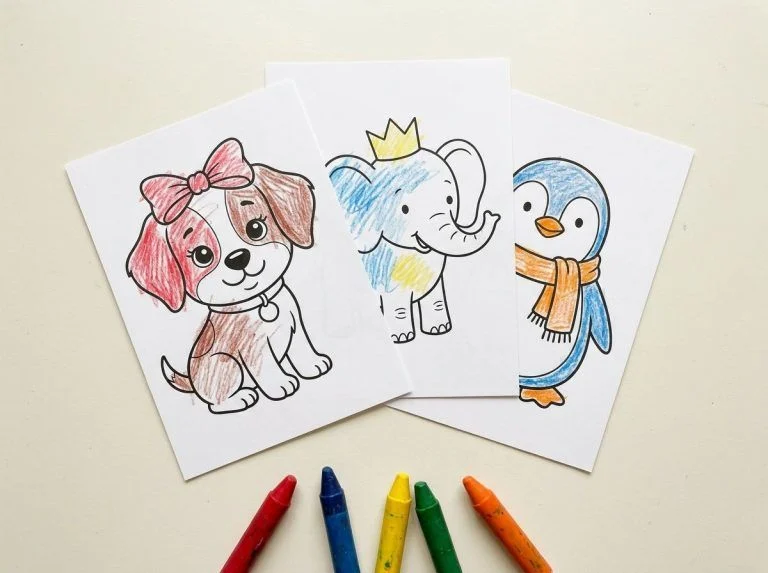
Easy coloring pages for kids work best when the picture feels inviting rather than overwhelming. Large shapes, clear outlines, and open spaces make it easier for younger children to start, while older kids can add patterns, backgrounds, and their own details.
This collection includes 24 simple designs plus practical ideas for choosing pages by age and ability. If your child loves animals, explore our animal coloring pages for kids for a more specific theme.
Use these easy coloring pages for kids as flexible starting points. A page can stay simple, become a storytelling prompt, or turn into a craft once the coloring is finished.
What Makes a Coloring Page Easy?
Look beyond the word “easy” in the title. Before printing, check whether the actual picture has:
- A clear main subject: Your child can quickly see what the picture shows.
- Large spaces: There is room to move a crayon without constantly meeting another line.
- Visible outlines: The edges remain clear when printed.
- A quiet background: Extra scenery does not overwhelm the main image.
- Optional details: The picture still looks complete without coloring every tiny section.
Here is a quick check: imagine coloring the smallest space with the tool your child will use. If it looks fiddly for you, choose a roomier design for them.
Choose a Starting Point by Age and Interest
The age ranges below are suggestions for choosing an activity, not developmental milestones. Follow your child’s preferences and comfort level; an older child may enjoy a very simple picture, too.
| Starting point | Designs to try | Ways to keep it comfortable |
|---|---|---|
| Toddlers, roughly ages 2–3 | One large balloon, fruit, cloud, or animal face | Offer a small choice of suitable crayons and accept scribbling as part of the activity. |
| Preschoolers, roughly ages 3–5 | A flower, friendly animal, vehicle, or shape picture | Choose a few clearly separated areas and let the child pick the colors. |
| Early elementary children, roughly ages 5–7 | A small scene, repeating pattern, or simple number activity | Offer an optional detail to add after coloring. |
| Mixed ages or anyone wanting an easy page | The same subject in a plain and a more detailed version | Keep both versions available without calling one the “baby” page. |
If a child loses interest, try changing the subject before increasing the difficulty. A very simple train may appeal more than an elaborate picture of something they do not care about.
24 Easy Coloring Page Ideas to Try
1. A Balloon With a Message
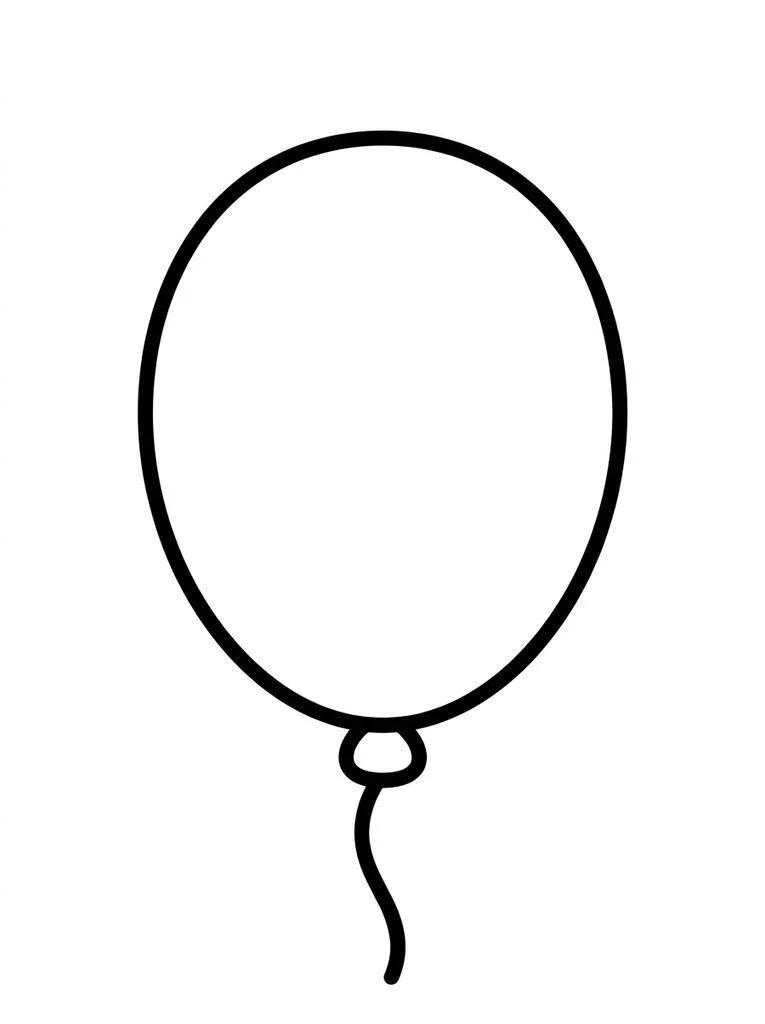
Choose one oversized balloon with a short string and plenty of white space. Your child can cover it in a favorite color, or divide it into broad stripes. For an extra activity, write down something they would like the balloon to carry: a wish, a greeting, or a funny message.
2. A Cozy Pair of Rain Boots
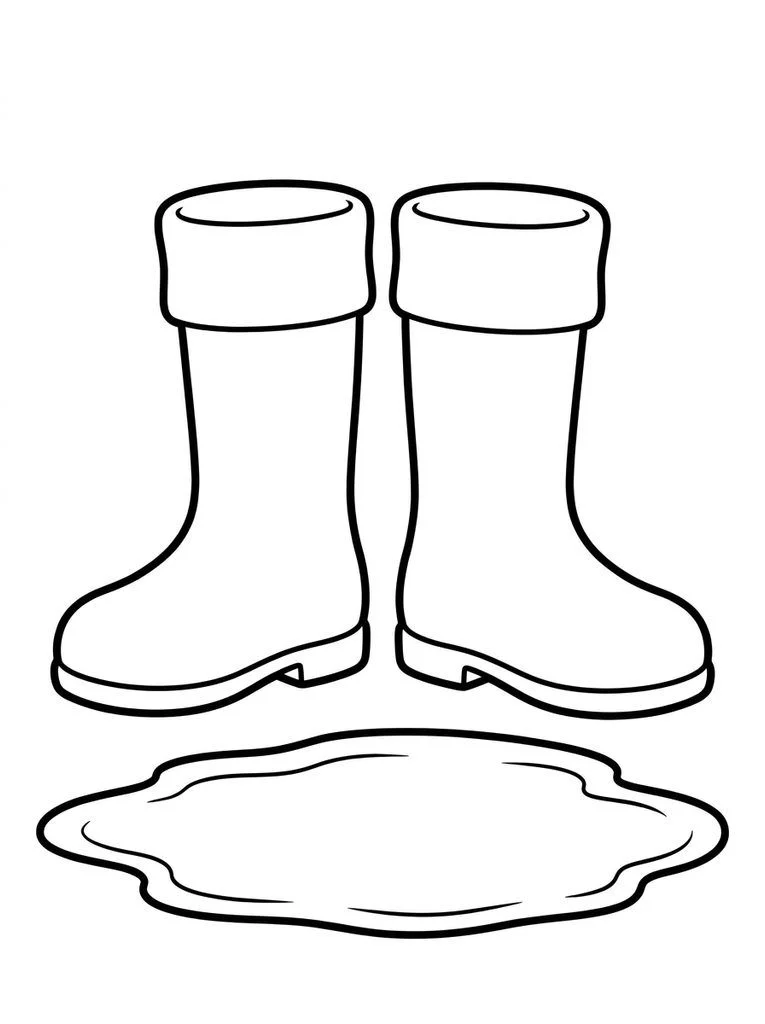
Two big boots offer an easy way to experiment with matching or different colors. Keep buckles and decorative lines to a minimum. Your child might make one boot sunny yellow and the other stormy blue, then draw a puddle underneath for them to splash in.
3. A Pear With One Leaf
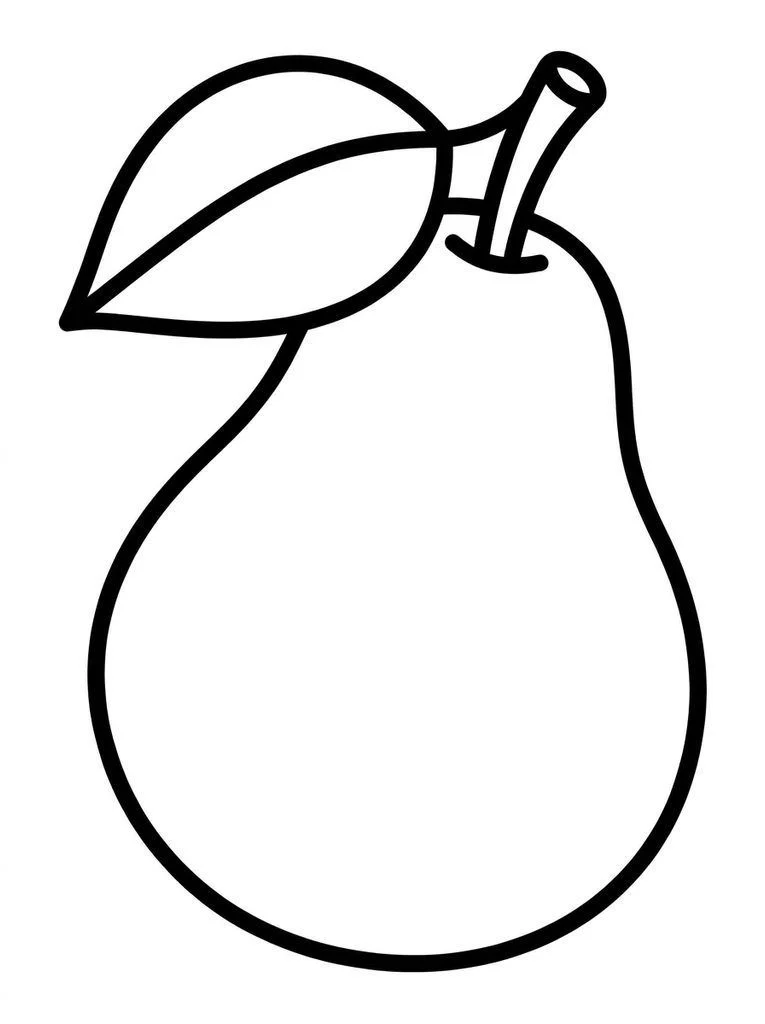
A rounded pear has a generous coloring area and a recognizable shape. Look for a picture with one leaf and no busy fruit basket behind it. After coloring, invite your child to invent a name for their pear or draw a second fruit beside it.
4. A Sleepy Moon
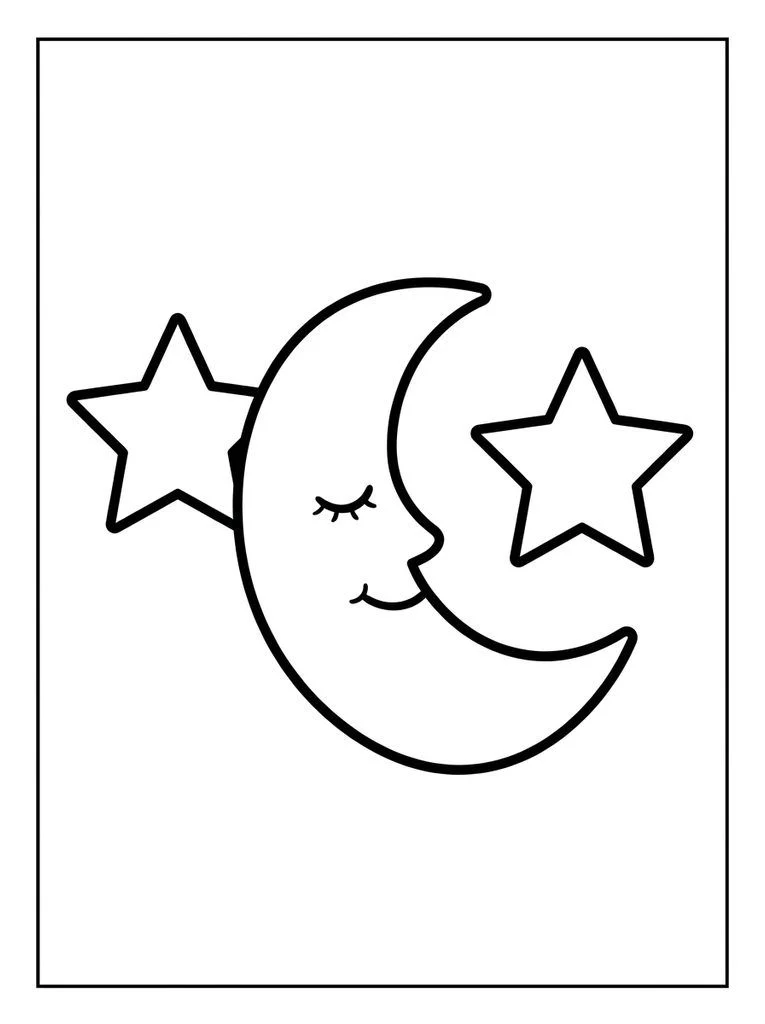
A crescent moon with a closed eye makes a gentle, uncomplicated picture. One or two large stars provide extra areas without filling the page. Let your child decide whether the moon belongs in a purple evening, a blue morning, or a sky they have made up themselves.
5. A Kite Ready to Fly
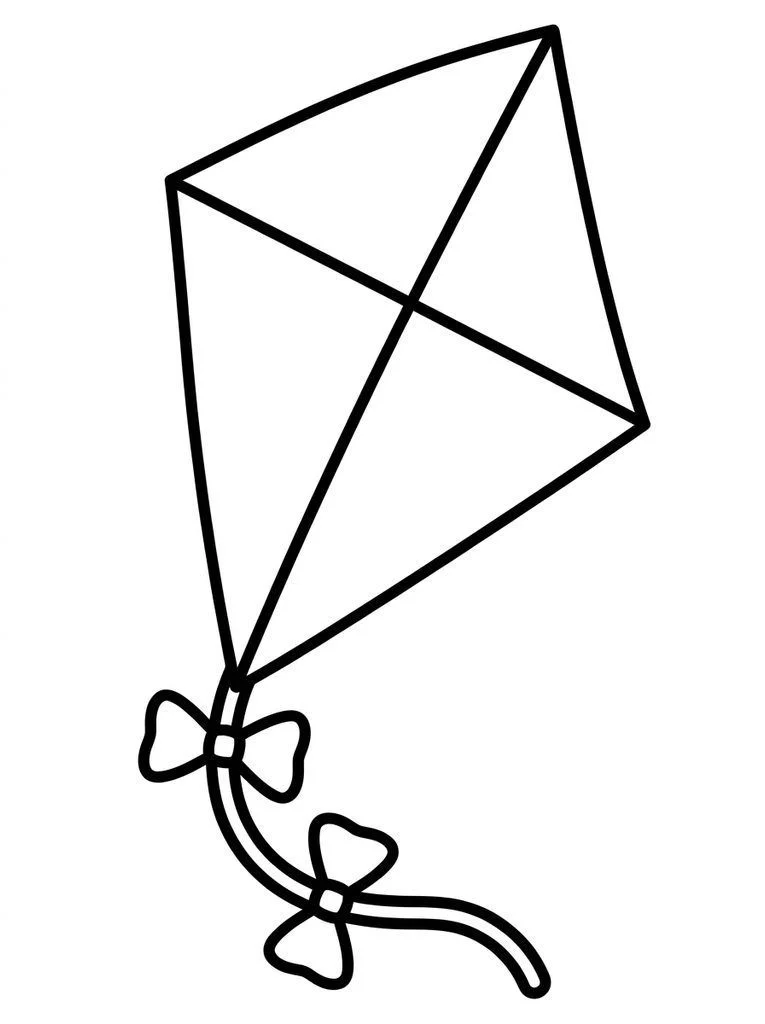
Try a large diamond-shaped kite with a few broad panels. Your child can give each panel a different color or keep the whole kite one shade. Leave its tail simple; drawing a windy path around the finished kite can become a second activity.
6. A Mitten With a Wide Cuff
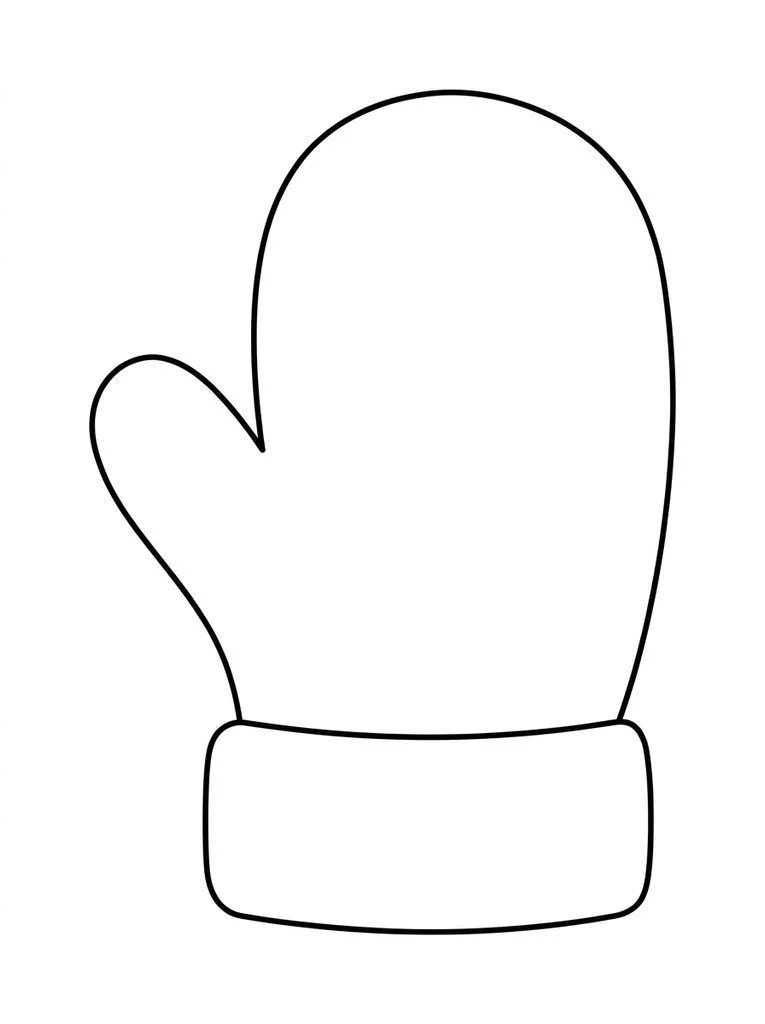
A single mitten is useful when a child wants a picture with very few parts. Keep the main area plain and make the cuff wide enough to color easily. Children who want more to do can decorate it with their own large dots or invent the matching mitten.
7. A Duck Beside a Puddle
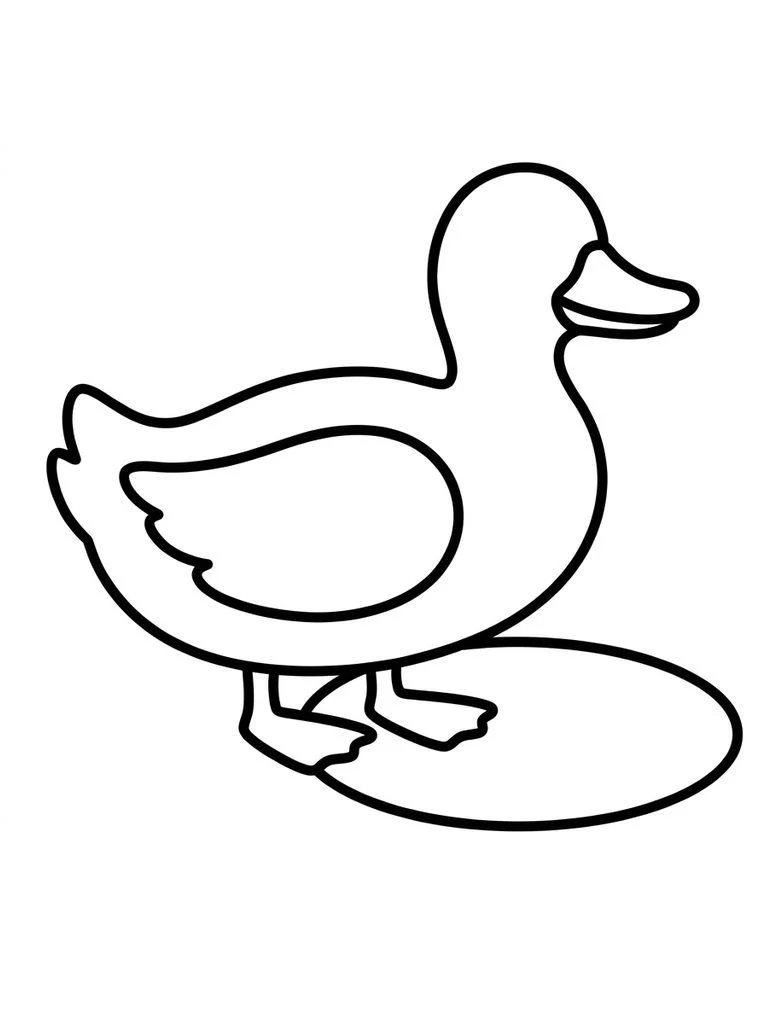
Look for a rounded duck, one clear beak, and a shallow puddle. Skip designs filled with tiny feathers or reeds. Once the duck is colored, ask where it is going. A child might add a muddy path, a friend, or a little shelter from the rain.
8. A Cat Peeking From a Box
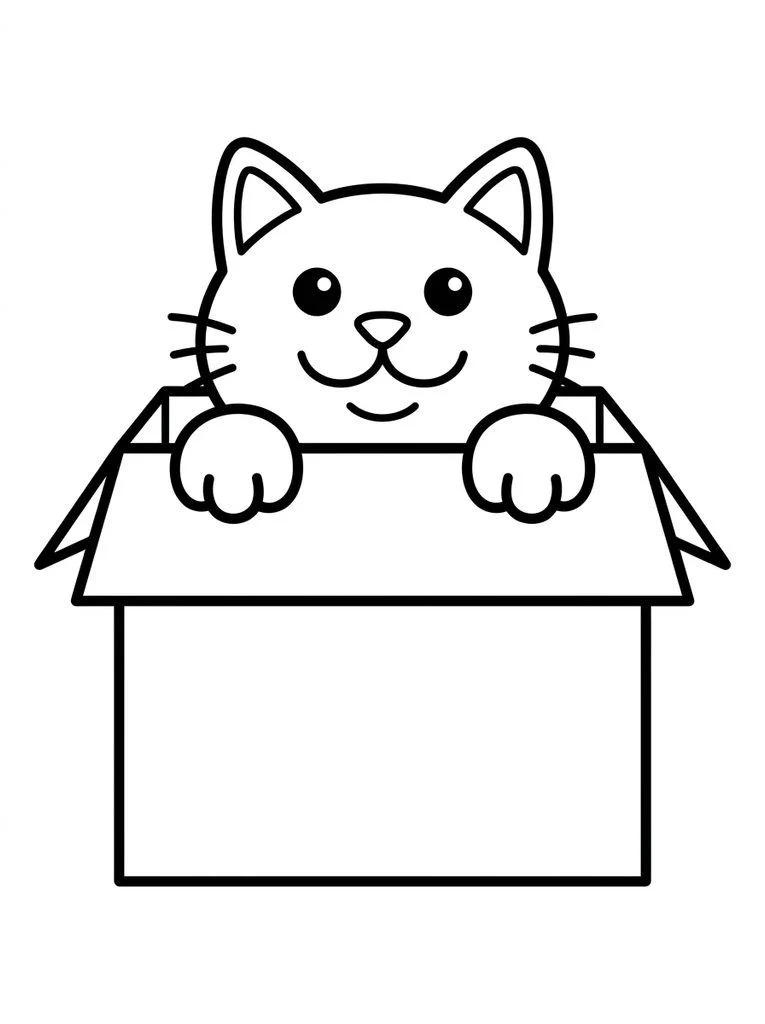
A big cat face above a plain cardboard box gives your child two main areas to work with. Keep the whiskers simple and the box undecorated. The box can later become a spaceship, a shop, or a house when your child adds a few finishing marks.
9. A Turtle With an Open Shell
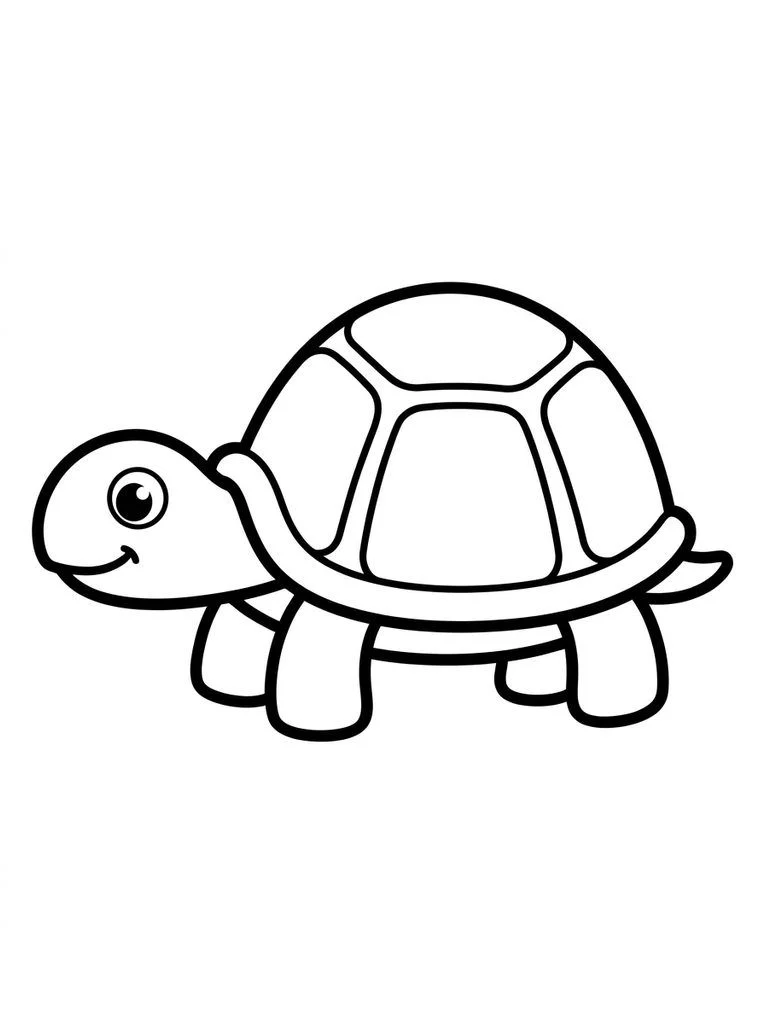
Choose a turtle with a large shell divided into only a handful of sections. Each section can be a different color, or the shell can stay entirely one shade. For a playful extension, let your child choose what this unhurried turtle carries on its imaginary journey.
10. A Hedgehog With Rounded Spikes
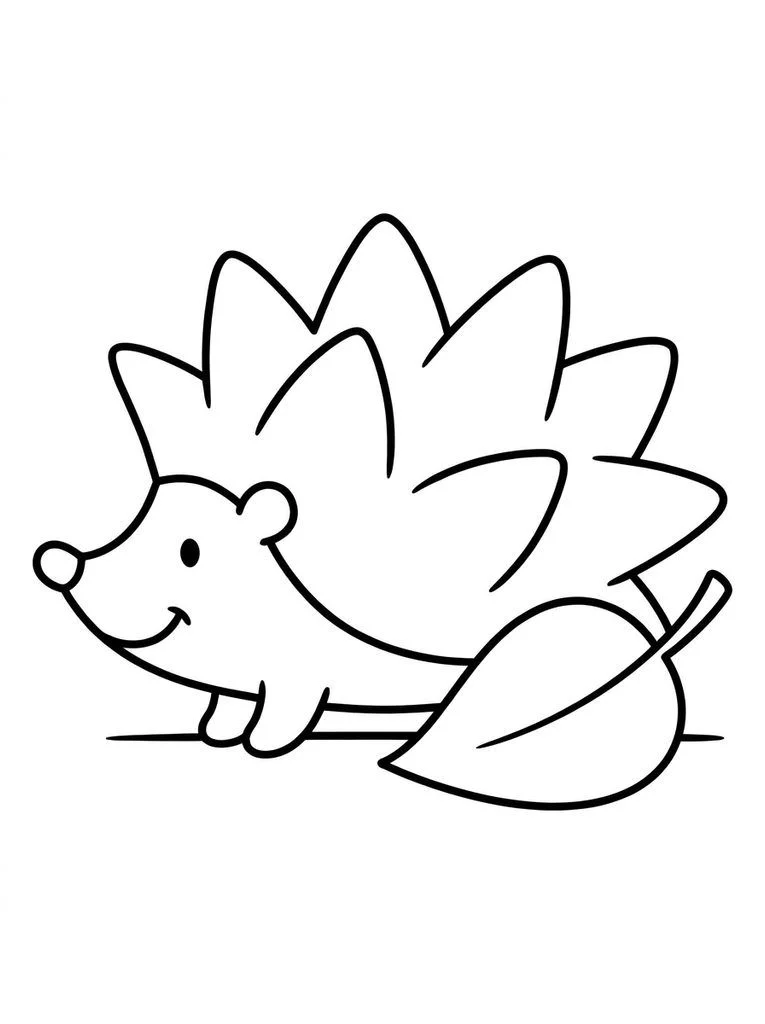
Some hedgehog drawings have dozens of narrow spikes. Pick one with broad, rounded points and a simple face instead. Your child can color the body and spikes separately, then draw a large leaf nearby to make a resting place for the little animal.
11. A Dinosaur With Big Spots

A friendly dinosaur with a rounded body and a few oversized spots offers plenty of room for crayons. Tiny scales are unnecessary. Your child can turn the spots into a repeating color pattern or choose a different color for each one, then give the dinosaur a name.
12. A Whale Carrying a Little Island
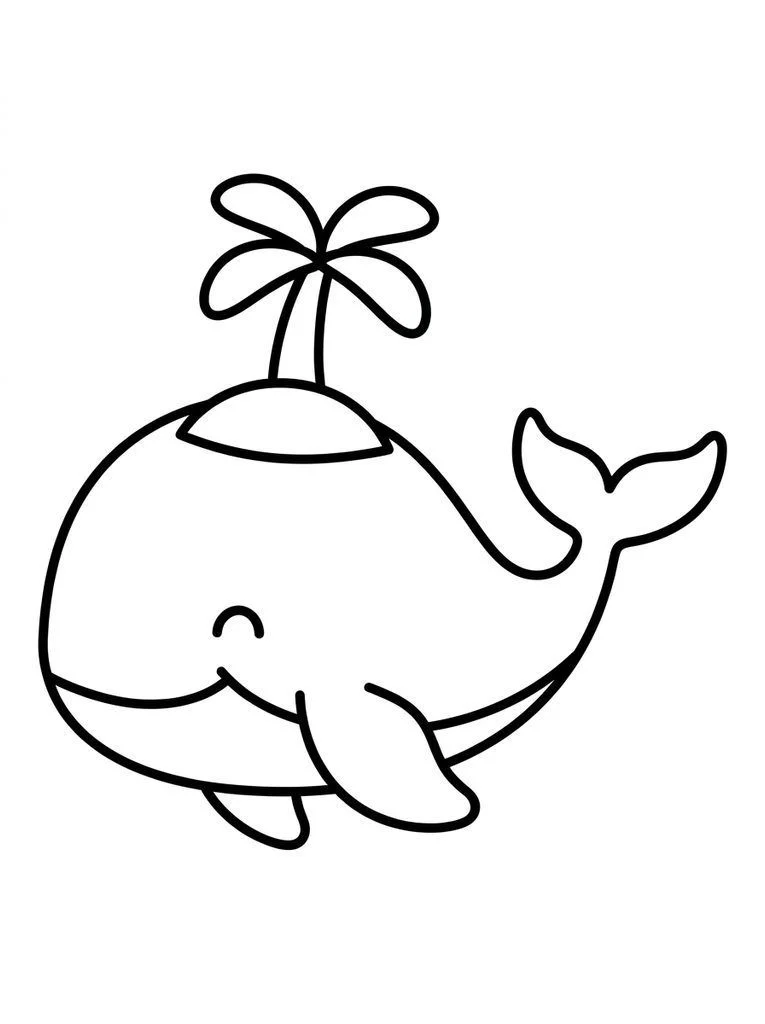
Start with a plain whale outline. As an imaginative addition, an older child can draw a tiny pretend island on its back after coloring. A younger child can simply enjoy the large body and tail. There is no need to fill the surrounding page with ocean details.
13. A Flower in a Favorite Mug
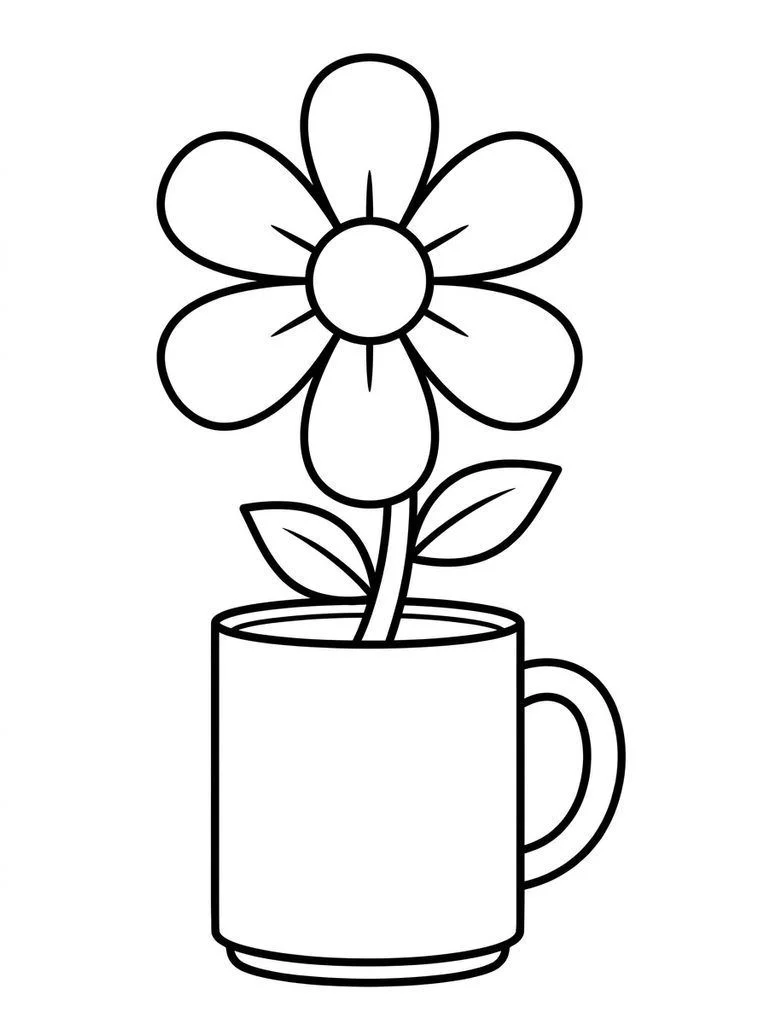
Use one large flower growing from a simple mug-shaped pot. Broad petals and an empty mug give your child two different spaces to decorate. They might add their initial to the mug or decide who would enjoy receiving the picture as a little paper gift.
14. A Rain Cloud Watering a Plant
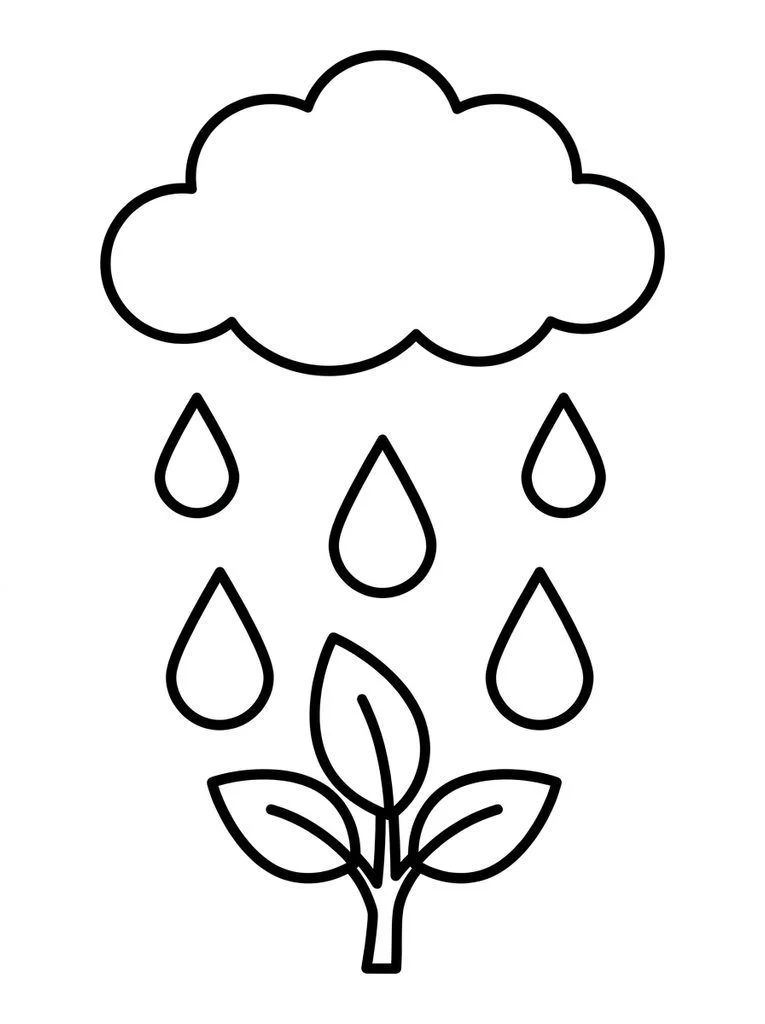
One cloud, a few large raindrops, and a small plant create a scene without making it crowded. Choose a plant with two or three broad leaves. Children can color the separate parts in any order and add another leaf if they want the plant to keep growing.
15. A Tree With a Round Canopy
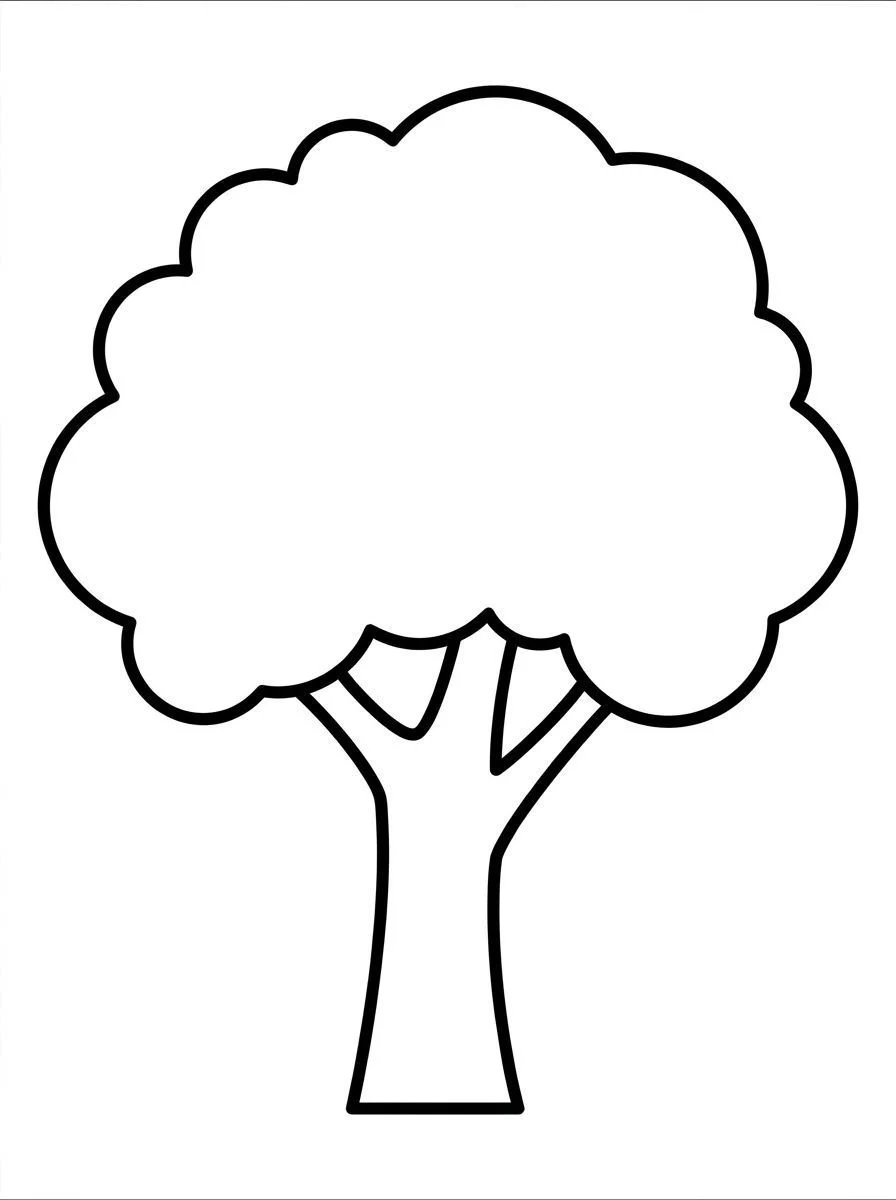
A broad treetop and sturdy trunk are easier to navigate than hundreds of individual leaves. Your child can keep the canopy one color or add patches of several shades. Offer an optional storytelling question: who might enjoy sitting underneath this tree?
16. A Tent Under One Star
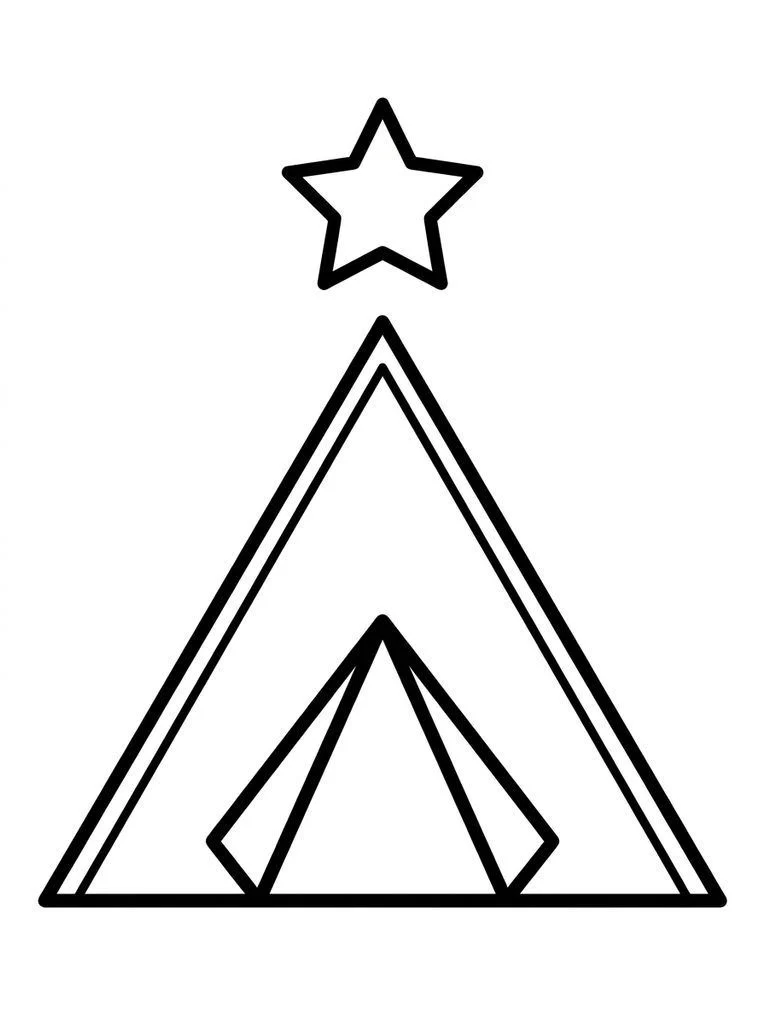
A simple triangle tent gives children a clear main shape and a smaller doorway. One large star above it adds a second subject without creating a complicated night scene. After coloring, let your child decide what they would bring along on this pretend camping trip.
17. A Bus With Roomy Windows
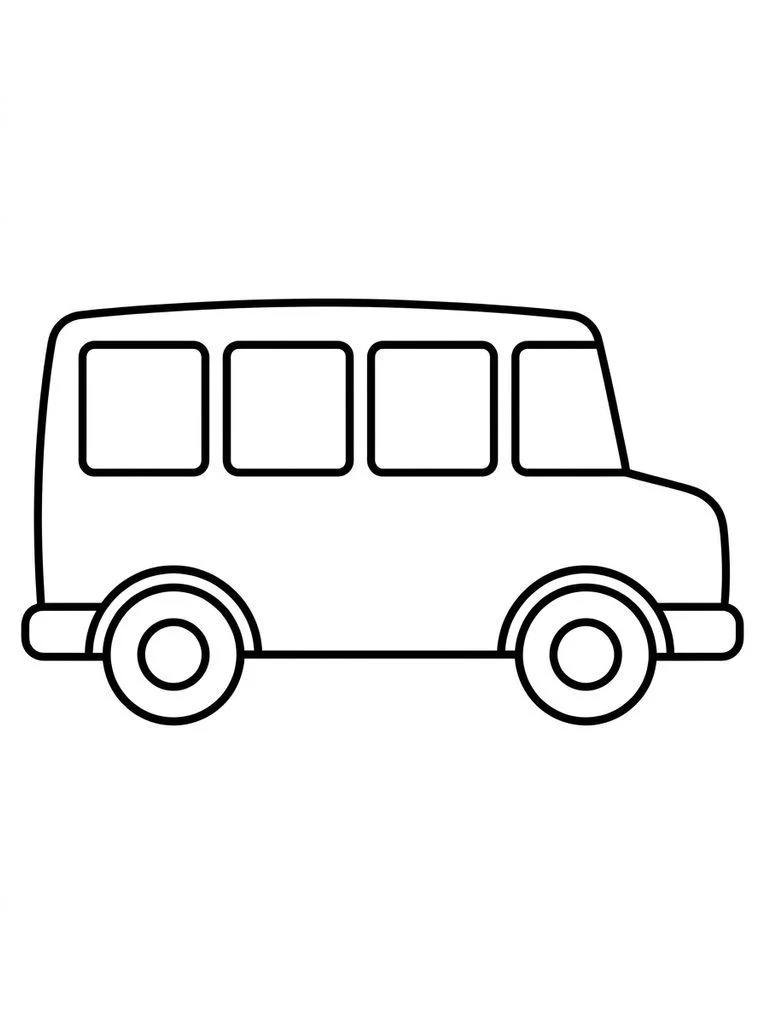
Choose a side-view bus with a few large windows and clear wheels. Skip tiny passengers and lettering for beginners. Children can add faces in the windows themselves, making the bus a vehicle for friends, animals, or a group of imaginary travelers.
18. A Boat With One Sail
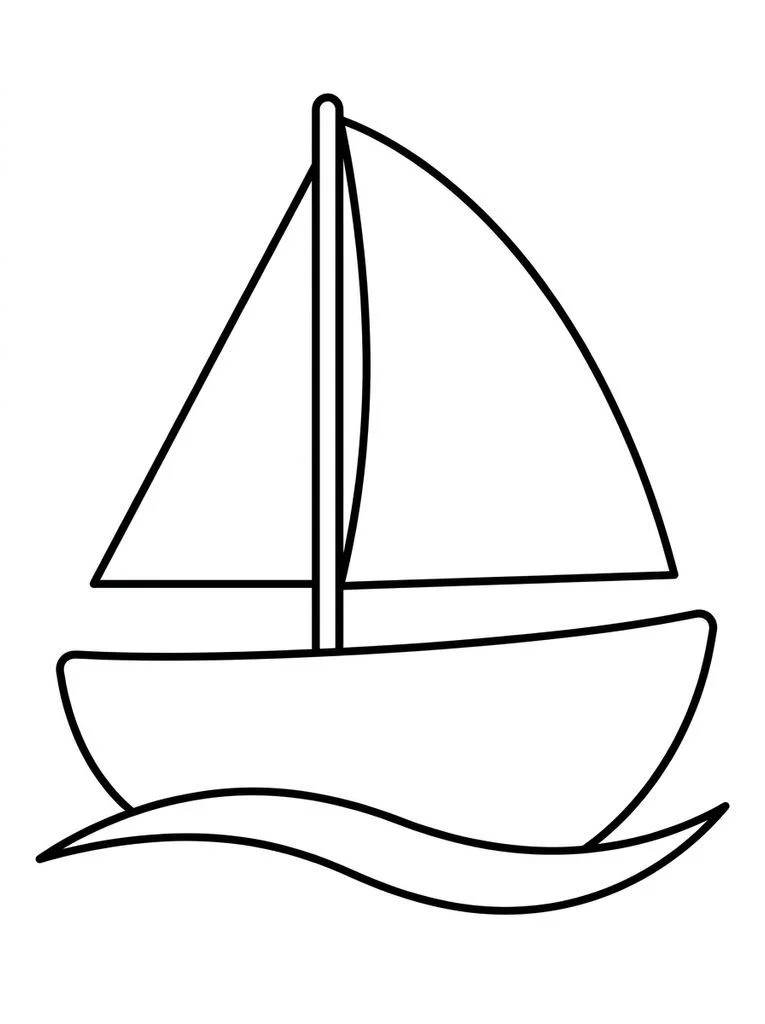
A wide boat and one large sail make a manageable picture with contrasting shapes. A single wave is enough for the background. Children can invent a flag for the sail or tell a short story about what waits on the other side of the water.
19. A Delivery Van With a Blank Side
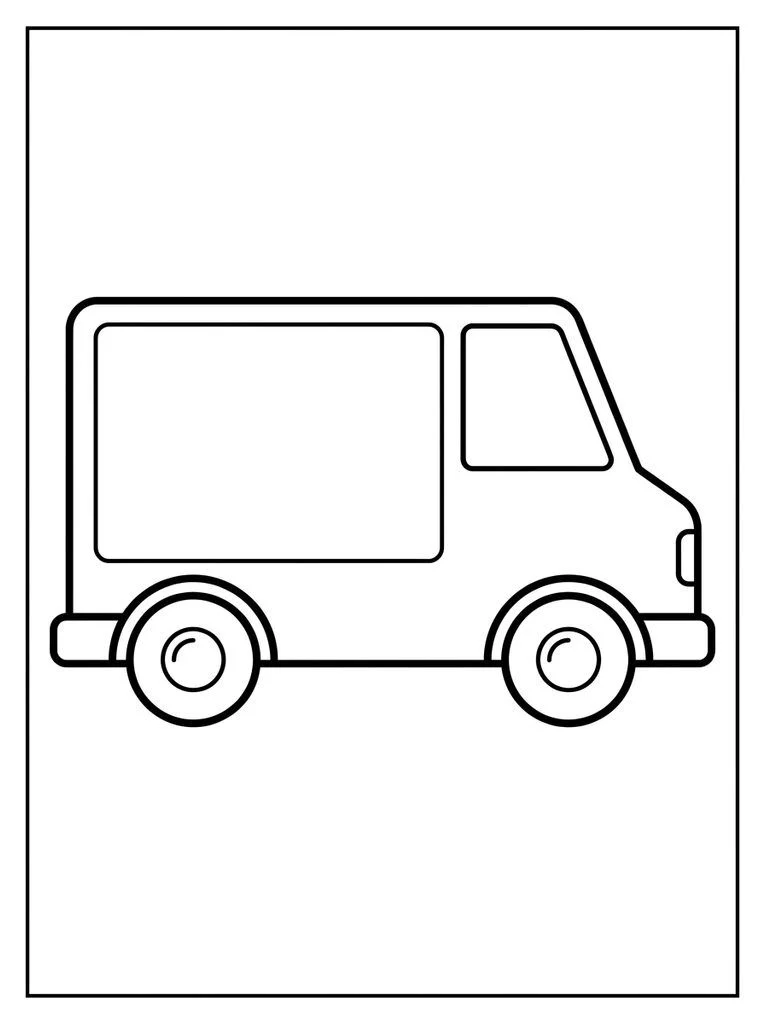
The empty side of a van leaves room for a child’s own idea. After coloring the main shape, ask what it delivers. Books, flowers, pajamas, and moon rocks are all possible answers. They can draw a simple symbol on the van to advertise its unusual cargo.
20. A Robot Made of Big Shapes
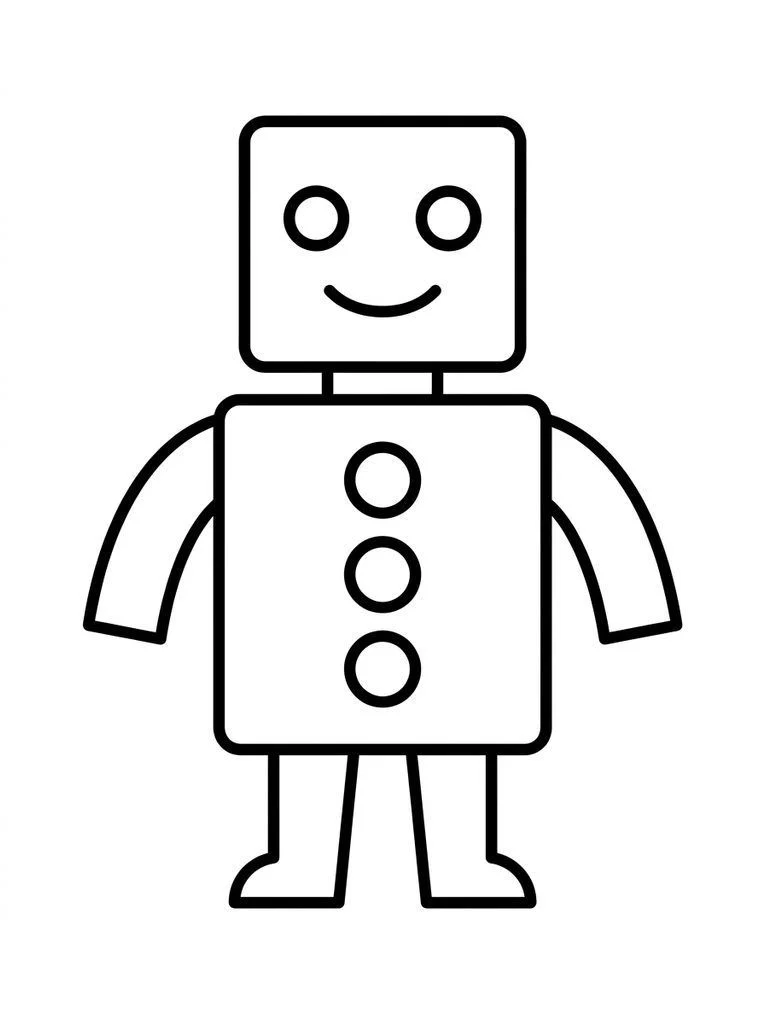
A square head, rectangular body, and round buttons keep a robot recognizable and easy to color. Choose short, simple limbs without exposed gears. For a follow-up activity, let your child invent a helpful job for the robot and draw one tool it might need.
21. A Picnic Plate
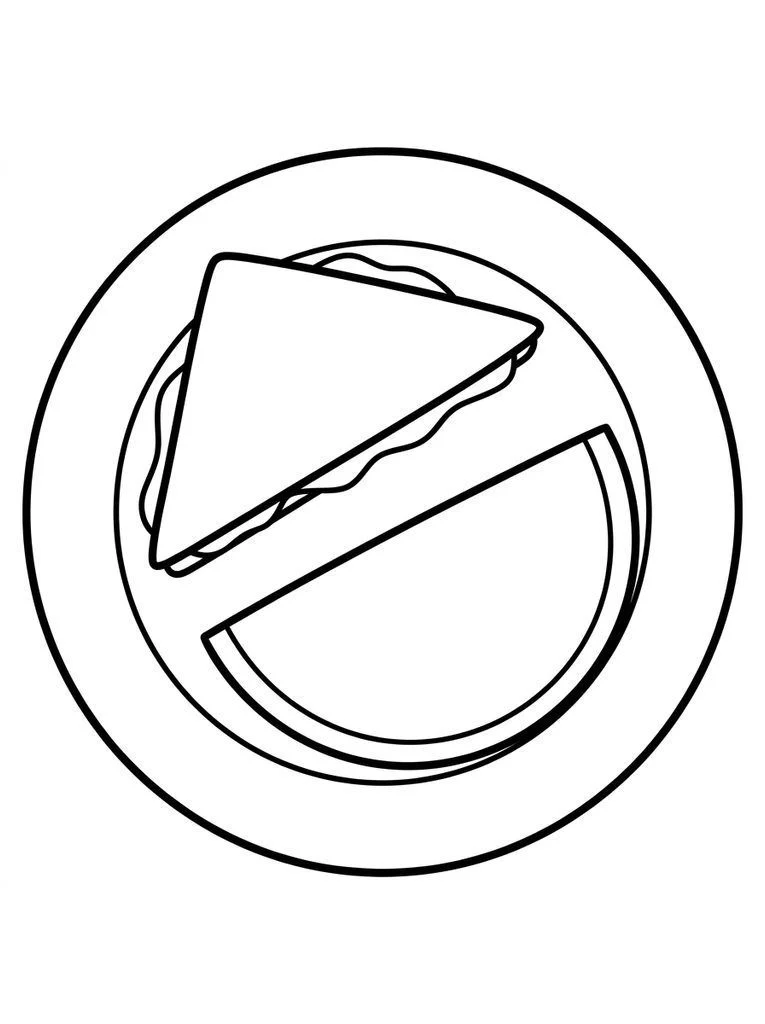
Use a large plate holding just two or three foods with plain outlines. A sandwich triangle and a slice of fruit are enough. Leave space between the foods, and invite your child to add something they would pack for a picnic in a place of their choosing.
22. A Striped Popsicle
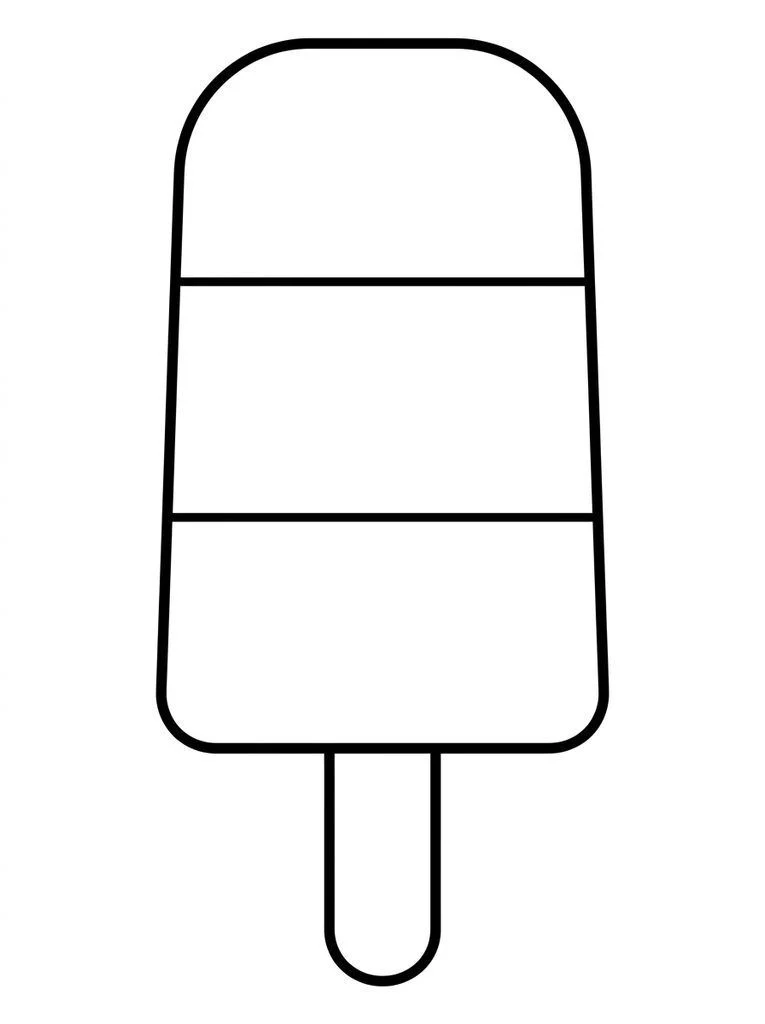
A popsicle divided into three wide bands makes a simple starting point for repeating colors. The child can invent a flavor for each band or use the same shade throughout. A plain stick and an uncluttered background keep this picture quick to set up.
23. A Pocket Full of Shapes
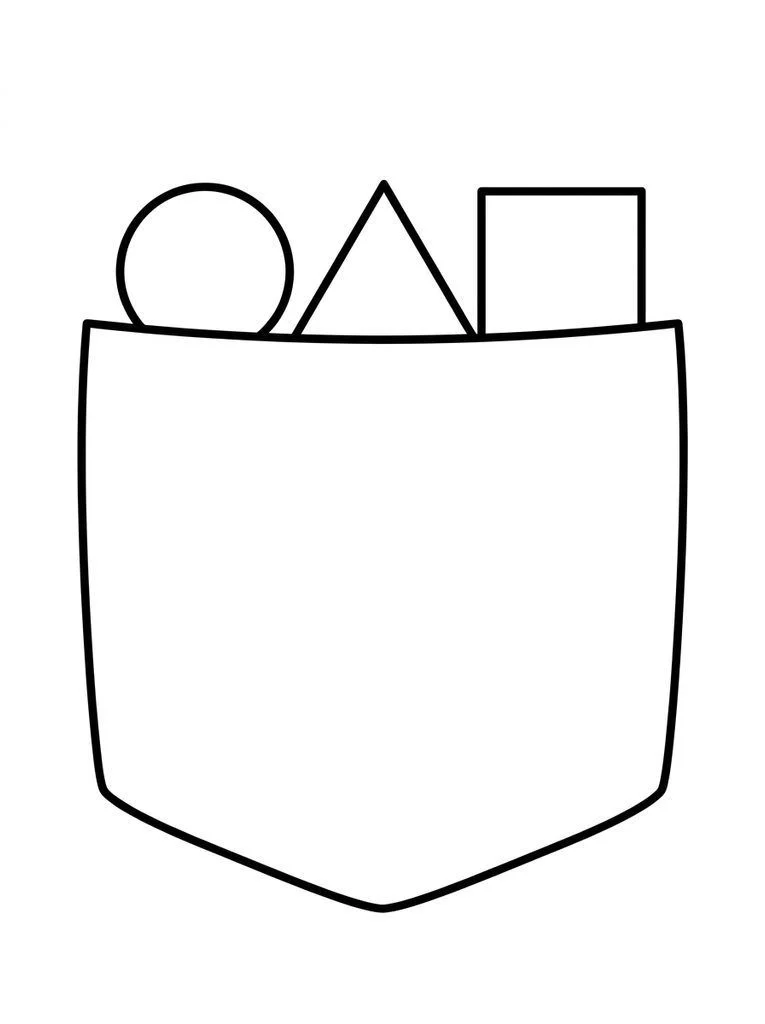
Choose a large pocket with a circle, triangle, and square peeking out. Your child can color freely or give every shape its own color. For children interested in sorting, ask them to find something nearby that resembles one of the shapes in the picture.
24. A House With a Welcome Mat
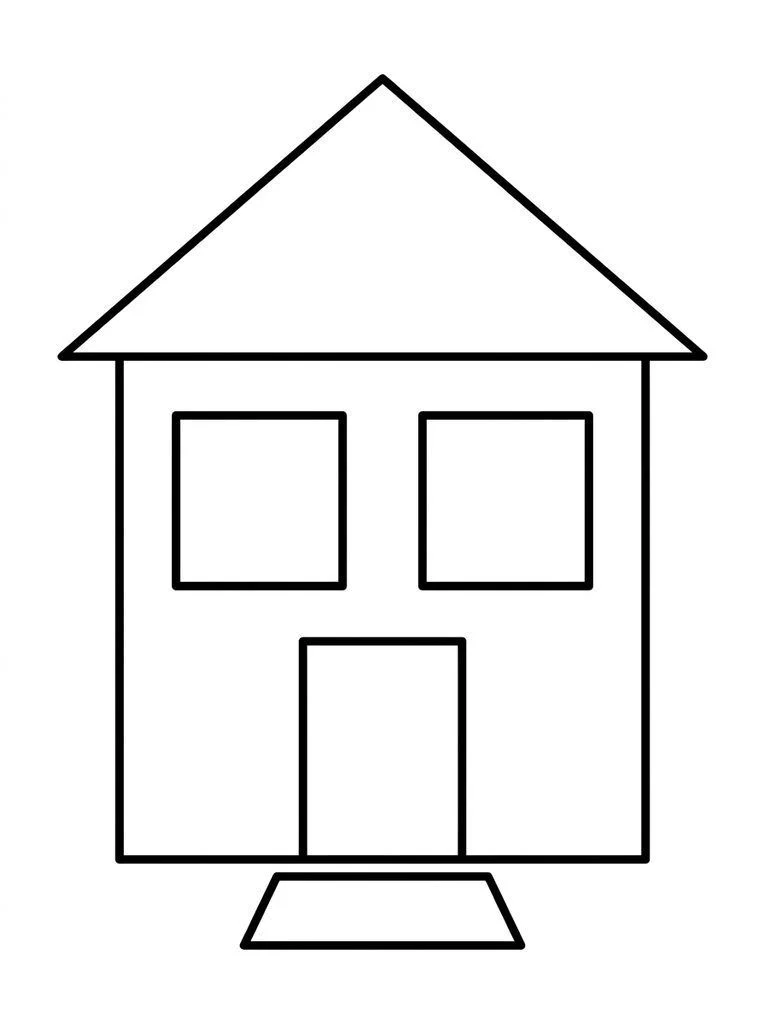
A simple roof, square body, door, and two windows make an inviting final picture. Keep roof tiles and brickwork out of the design. Your child can choose who lives there, decorate the welcome mat, or draw a path leading to the front door.
How to Print a Coloring Page Without Cutting Off the Edges
When printing a coloring design, use its full-resolution image or print-ready PDF rather than a screenshot of a small preview. Open the file and check the print preview before using a whole stack of paper.
- Match the paper setting to your printer tray. Select A4 or US Letter according to the paper you actually loaded.
- Check the orientation. Use portrait or landscape to match the drawing.
- Look at the margins. If part of the design sits outside the printable area, try “Fit” or “Fit to printable area.” Setting names vary by printer and app.
- Print one test sheet. Make sure outlines are visible and the picture has not become too small.
- Choose paper for your supplies. Ordinary printer paper is a practical starting point for crayons. Put scrap paper underneath when using markers; use thicker paper only if your printer supports it.
Set Up a Coloring Activity With Less Fuss
Start with two page choices, a small selection of coloring tools, and a clear work surface. Too many options can turn choosing into the main activity.
Use supplies labeled for your child’s age and supervise young children. A washable option makes sense when coloring may travel beyond the paper. If a sheet keeps moving, a clipboard or a little removable tape can help hold it still.
Let your child choose where to begin. They may color only the wheels of a bus or spend their whole turn decorating a robot button. You can leave the sheet available for another day rather than treating an unfinished picture as a problem.
Try comments that notice a choice: “You made the two boots different colors,” or “Tell me about the person in that window.” These invitations give a child room to explain their picture without requiring a correct answer.
Make One Page Work for Different Children
You do not always need a separate activity for every age. Use one subject and vary what happens around it.
For a younger child, offer the plain outline and let coloring be the whole activity. For another child, suggest adding a background or inventing a pattern. A child who enjoys writing can add a title or a sentence about the picture.
A delivery van is a good example: one child colors it blue, another fills the side with stars, and another writes a story about delivering bedtime books. Each child has a complete activity without a competition over whose page is most detailed.
Three Ways to Use the Finished Pictures
Make a picture conversation. Put two finished sheets next to each other and invent a connection. Perhaps the bus is taking everyone to the house, or the robot is delivering the picnic.
Create a changeable display. Choose a small area for a few pictures and let your child decide which ones to show. Swap them when they want something new on display.
Build a color collection. Sort finished pictures by a color the child used prominently. A blue whale, a blue boot, and a blue house can share a folder even though they belong to different themes.
These are optional extensions. A coloring page can also simply remain a coloring page.
Easy Coloring Pages for Kids: Frequently Asked Questions
These answers make it easier to choose easy coloring pages for kids without turning a simple activity into a complicated project.
These quick answers can help you choose and use easy coloring pages for kids without making the activity more complicated than it needs to be.
What are the easiest coloring pages for toddlers?
For toddlers, choose easy coloring pages for kids with one large subject, bold outlines, and plenty of blank space around the main picture.
Start with one large object, such as a balloon, pear, cloud, or animal face. Look for thick outlines and an open background. The easiest choice is one that works with the child’s coloring tool and does not demand careful attention to tiny spaces.
Should kids stay inside the lines?
Staying inside the lines does not need to be the goal of a casual coloring activity. Let children explore the page and choose their colors. If they ask for help with a small area, demonstrate on a separate sheet so their own picture remains theirs.
How many coloring pages should I print at once?
Start with one or two selected pages. You can print more if your child wants them. A small choice also makes it easier to notice which subjects and drawing styles they actually enjoy before preparing a larger folder.
Are crayons or colored pencils better for easy coloring sheets?
Choose the tool your child can comfortably use. Crayons are a practical option for broad shapes, while colored pencils can suit someone who enjoys adding details. Try both on spare paper rather than assuming every child will prefer the same tool.
Can older kids enjoy simple coloring pages?
Yes. Older children can use easy coloring pages for kids as a base for patterns, backgrounds, shading, or their own added details.
Yes. A simple outline leaves room for patterns, invented colors, a detailed background, or a short story. It can also be enjoyable exactly as it is, without adding a harder task.
What if we do not have a printer?
Draw a large, simple outline on plain paper: a balloon, kite, mitten, or house is a useful place to begin. Your child can add details before coloring. Another option is an existing coloring book with spacious designs.
Choose a picture your child wants to spend time with, set out a few colors, and let the activity take its own direction. A purple boot or a van full of moon rocks may be the beginning of something much more interesting than a perfectly filled page.
More Coloring Ideas for Kids
For older kids who enjoy game-inspired scenes, explore our Animal Crossing coloring pages.
A small collection of easy coloring pages for kids can also help you learn which subjects and drawing styles your child enjoys most.
Once your child is comfortable with easy coloring pages for kids, you can branch into animal themes and other printable collections.
- Explore 25 cute animal coloring pages for kids for pets, farm animals, woodland characters, safari animals, and ocean friends.
- Browse the full coloring pages section for more printable themes and simple creative ideas.