Breakfast for Kids, Toddlers and Babies: Your Questions Answered
Breakfast for kids, toddlers and babies can look very different depending on age, appetite, eating skills, and family routine. This guide answers common breakfast questions without assuming that one portion size, food combination, or schedule works for every child.
Use this breakfast for kids toddlers and babies guide as practical general information. For babies who are starting solids, children with feeding difficulties, allergies, growth concerns, or a very limited diet, follow advice from your pediatrician or registered dietitian.
Frequently Asked Questions: Breakfast for Kids
What is the best food for kids in the morning?
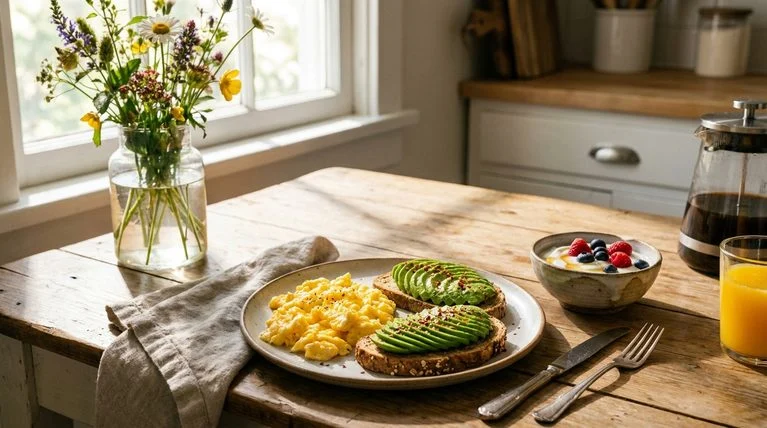
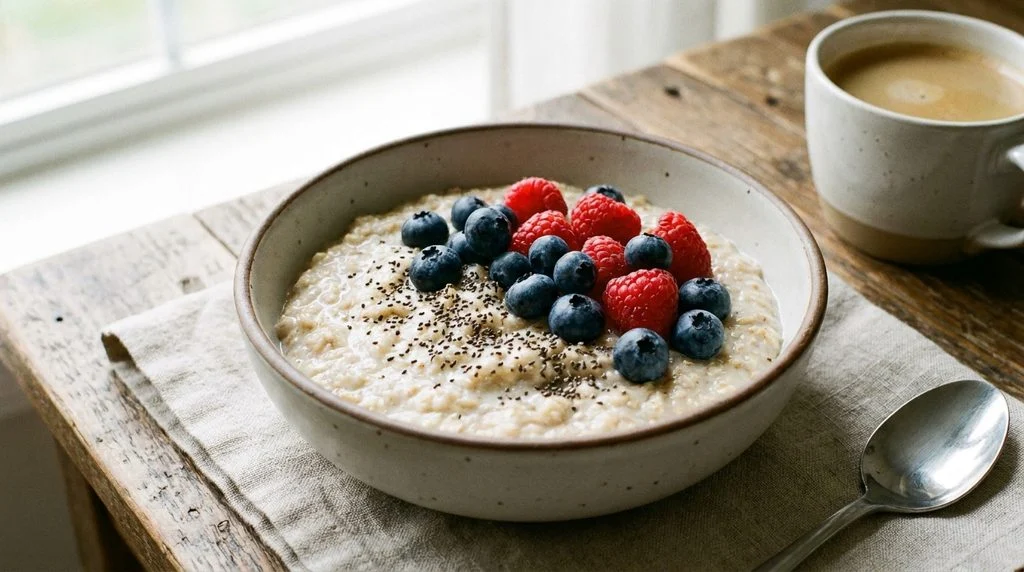
The best breakfast for kids is rich in protein, healthy fats, and fiber — a combination that provides steady energy through the morning and supports focus at school. Good examples include Greek yogurt topped with fresh fruit and nuts, oatmeal with berries and chia seeds, or scrambled eggs with whole grain toast and avocado.
What is the best breakfast “brain food” for kids?
Look for recipes rich in omega-3 fatty acids, protein, and complex carbohydrates — yogurt with berries, whole-grain toast with peanut butter, or a spinach, banana, and chia seed smoothie are all solid choices that support cognitive function and concentration.
What should I feed kids instead of cereal?
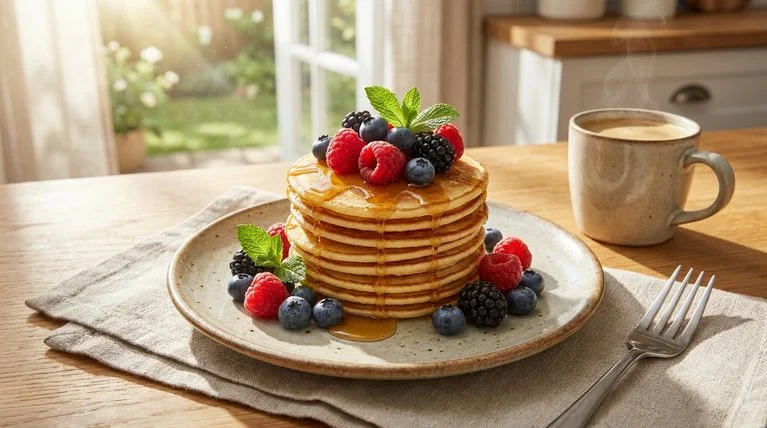
Nutritious alternatives include a fruit and yogurt parfait, whole-grain pancakes, or a veggie omelet. These options tend to be more filling and nutritionally complete than most sugary cereals.
What’s a good breakfast for kids who don’t like eating breakfast?
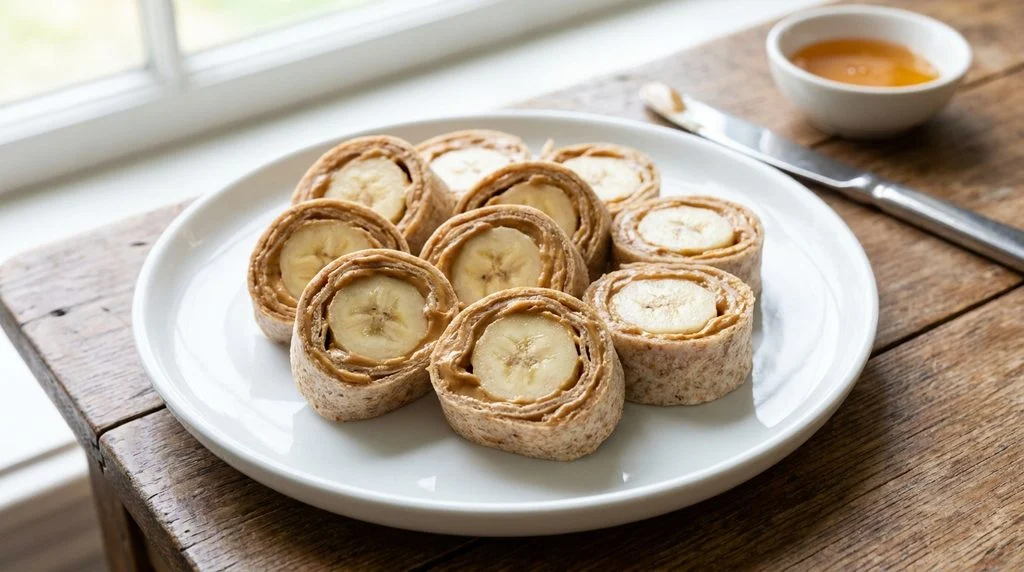
For reluctant eaters, try a fruit-and-vegetable smoothie, a whole-grain muffin paired with a piece of fruit, or a peanut butter and banana wrap. These are easy to eat quickly and still deliver solid nutrition, even for a rushed or hesitant morning.
Frequently Asked Questions: Breakfast for Toddlers
What are good breakfast foods for toddlers?
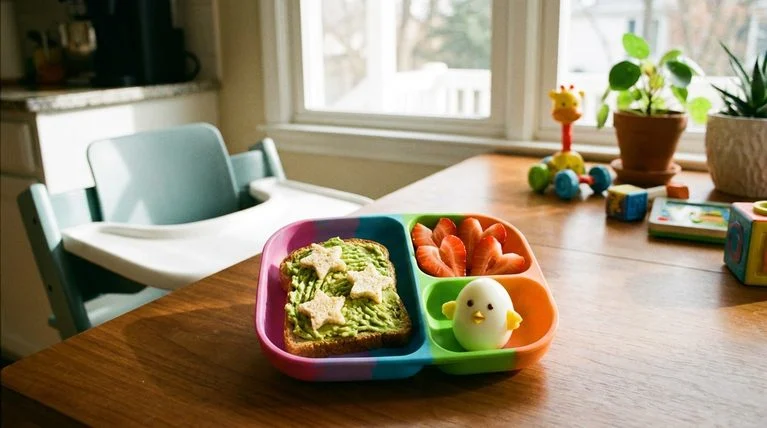
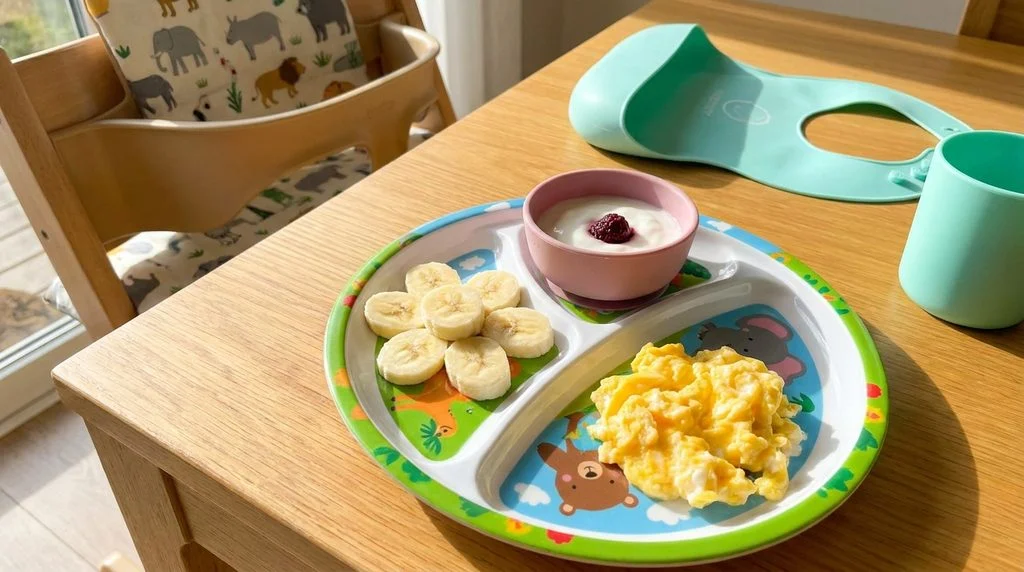
Scrambled eggs, whole-grain toast with avocado, yogurt with fruit, and oatmeal with a touch of honey are all nutrient-dense, easy options that most toddlers can manage well.
Is a banana enough for a toddler’s breakfast?
A banana alone isn’t quite a complete breakfast. Pair it with yogurt, a bit of nut butter for dipping, or a scrambled egg on the side to round it out into a more balanced meal.
What can I make for a picky toddler’s breakfast?
Fun, visually appealing options tend to work best — mini pancakes with fruit, a cheese and veggie omelet, or yogurt topped with granola and berries. Presentation often matters just as much as the food itself for a picky eater.
What’s a good protein breakfast for a 2-year-old?
Scrambled eggs, Greek yogurt, cottage cheese with fruit, or a small amount of peanut butter on whole-grain toast all provide the protein toddlers need for healthy growth and development.
Frequently Asked Questions: Breakfast for Babies
What should babies eat for breakfast?
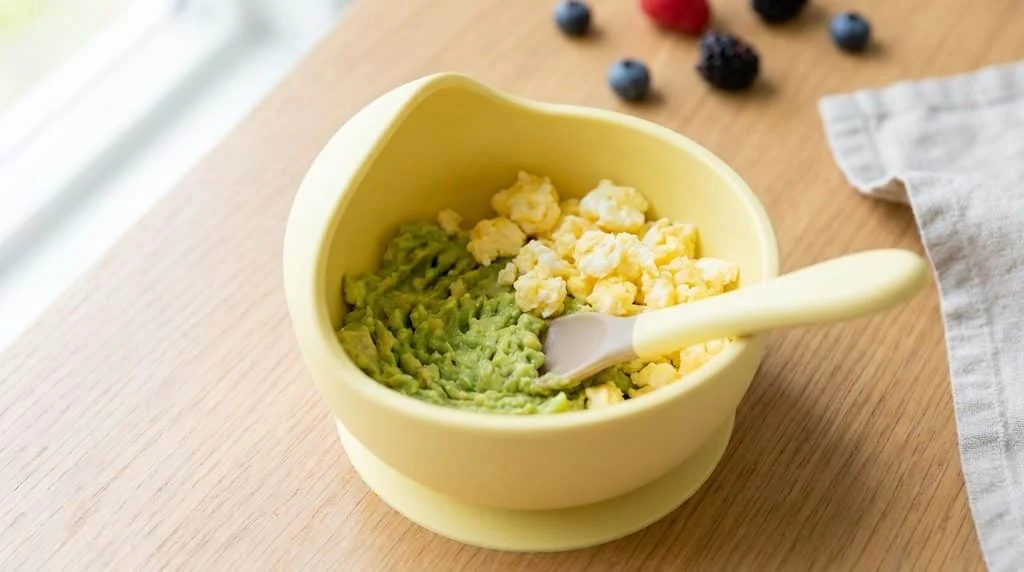
Breakfast for babies should be nutrient-dense and easy to digest — soft-cooked oatmeal mixed with mashed fruit, plain full-fat yogurt with fruit purée, mashed avocado for healthy fats, or soft-cooked eggs like scrambled or a simple omelet.
Should a 6-month-old have breakfast?
Yes — as part of introducing solid foods, a 6-month-old can start with simple, single-ingredient purées like mashed sweet potato or avocado, gradually expanding to more tastes and textures over time.
What are the best first breakfast foods for a baby?
Nutrient-dense, easy-to-digest options work best: mashed or puréed apples and pears (a sprinkle of flaxseed adds extra omega-3s), soft-cooked oatmeal with fruit purée, mashed carrots or sweet potato combined with a bit of puréed chicken or beans for protein, mashed avocado for healthy fats, or full-fat yogurt mixed with fruit purée.
What can I give my baby instead of rice cereal for breakfast?
Soft-cooked eggs offer protein and essential nutrients, mashed avocado provides healthy fats and vitamins, and both beans and quinoa are excellent iron- and protein-rich alternatives to traditional rice cereal.

Can babies have fruit juice at breakfast?
Babies under 12 months shouldn’t have any juice at all. Once a child turns 1, up to 4 ounces of 100% fruit juice a day is considered acceptable — but juice should always be offered diluted and in a cup, never in a bottle, since bottle-feeding juice is linked to a higher risk of cavities and dental damage.
Is it okay to skip breakfast and just offer a snack instead?
Not ideal. Toddlers have small stomachs and generally need to eat every few hours, so skipping breakfast altogether isn’t recommended. If your toddler simply isn’t a big breakfast eater, it’s fine to keep the meal light and add a nutrient-dense mid-morning snack to make up the difference.
Breakfast Categories Worth Rotating Through
Here are some tried-and-true food types you can safely include in your breakfast recipes for all ages beyond infancy:
Smoothies – One of the simplest methods of receiving vital nutrients first thing in the morning. To make a smoothie, choose fruits, vegetables, and healthy seeds or nut butter according to individual tastes.
Oatmeal and oat snacks – Oatmeal helps in digestion and provides sustainable energy due to its fiber content. To make it healthier, add fruits, nut butter, or seeds if needed. Packs of oat products can be used if some young eaters dislike oatmeal.
Pancakes – A kid-friendly dish that can include nutritious wholegrain flour, quinoa, nuts, flax seeds, and chia seeds without tedious explanations.
Yogurt – Has many probiotics and is good for bones as it contains calcium. You can change toppings to make yogurt more interesting.

How Much Protein Do Kids Need?
Protein is only one part of breakfast for kids toddlers and babies, and exact needs vary from child to child.
Protein needs vary with age, growth, body size, activity, overall diet, and individual health. Because of that, a simple “weight divided by two” rule is not a reliable way to set a daily protein target for every child.
Most children can get protein from ordinary foods across the day, including eggs, dairy or fortified alternatives, beans, lentils, tofu, fish, meat, nuts, seeds, and grains. If you are worried about growth, intake, or whether your child is meeting their needs, ask a pediatrician or registered dietitian for individualized guidance.
More Breakfast Guides
Use these related guides to explore breakfast for kids toddlers and babies by age, prep time, meal-prep style, or protein focus.
- For a broad collection organized by prep time, see our quick breakfast ideas for kids.
- For younger children, browse our toddler breakfast ideas.
- For freezer-friendly planning, see our meal prep breakfast recipes for kids.
- For protein-focused options, read our high-protein breakfast ideas for kids.
Final Thoughts on Breakfast for Kids, Toddlers and Babies
A practical approach to breakfast for kids toddlers and babies is to repeat a few reliable meals and adjust portions and textures as children grow.
Keep breakfast for kids toddlers and babies simple, age-appropriate, and flexible. A small rotation of familiar foods is often easier to maintain than trying to create a completely different breakfast every morning.
There’s no single “correct” breakfast for every child — what matters most is rotating through a mix of protein, healthy fats, and fiber-rich foods that fit your child’s age and preferences. Whether you’re introducing a baby to their first solids, negotiating with a picky toddler, or packing a quick meal before school, keeping a small rotation of go-to breakfasts on hand takes most of the daily guesswork out of the morning.