25 High-Protein Breakfast Kids Will Actually Eat Before School
One piece of advice to keep in mind on a busy school morning is that a little protein truly makes a difference. Protein-rich breakfast is better than just toast or muffin, which can keep kids satisfied for longer periods and help them concentrate. Protein is needed by the growing children since it supports muscle development and keeps energy at the necessary level during the day.
The best part is that getting a high-protein breakfast doesn’t mean you have to prepare a complicated dish or a wacky smoothie. The following 25 suggestions are high in protein content but easy enough to prepare during an average work day.
For Kids Who Like Eggs
1. Breakfast Burritos
Place scrambled eggs, cheese, and already prepared ground turkey on a whole wheat tortilla to make an easy, unfussy breakfast. Prepare a large portion during the weekend and opt to freeze some for a midweek meal.
2. Breakfast Sandwich
Place a cooked egg on top of a toasted English muffin or bagel together with a piece of cheese and some ham and/or turkey. Maintain the yolk, which contains proteins and nutrients such as choline, which are not present in the egg whites.
3. Egg-in-a-Hole
Cut a hole from the center of a buttered slice of bread, place it in a hot pan, and crack an egg into the center, flipping once the egg is nearly set. Serve alongside a glass of milk for even more protein.

4. Breakfast Tacos
Fill a warm taco shell with scrambled eggs, shredded cheddar and a spoonful of warm black beans for a fun, handheld twist on the usual eggs-and-toast routine.
5. Homemade Egg Bites
A budget-friendly copycat of the coffee-shop favorite: scramble eggs with a bit of cottage cheese, stir in mix-ins like crumbled bacon, shredded cheese or diced veggies, and bake in a well-greased muffin tin until set.
For Kids Who Like Smoothies & Yogurt
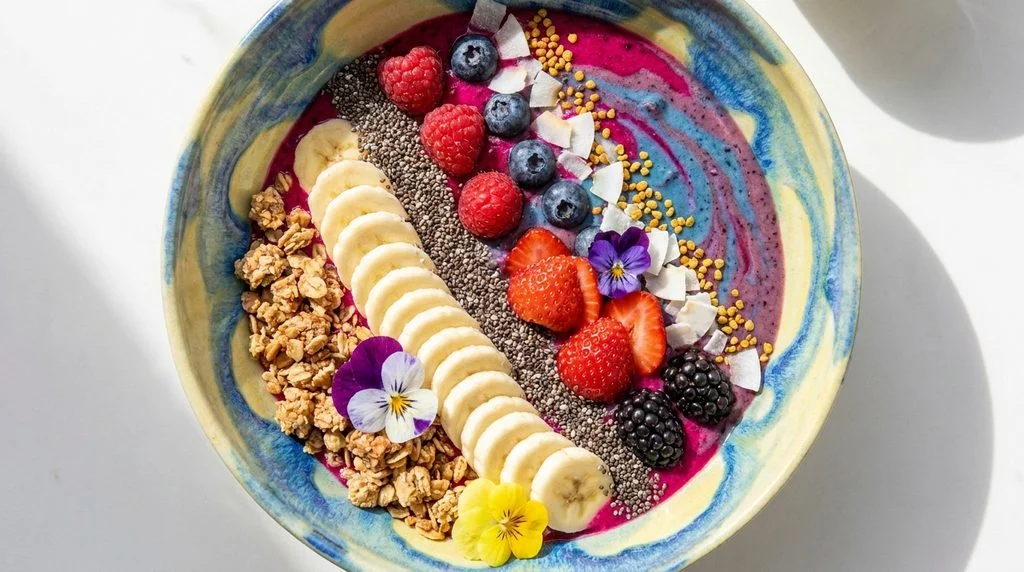
6. Smoothie Bowl
Essentially a smoothie eaten with a spoon — blend Greek yogurt, milk (or a high-protein plant-based milk), frozen or fresh fruit and a spoonful of nut butter into a thick base, then top with sliced banana, nuts or seeds and a bit of cereal or granola for crunch.
7. Protein Smoothie
A fast, drinkable option loaded with protein — blend Greek yogurt, milk, a spoonful of nut butter or peanut powder, and a piece of fruit until smooth.
8. Vanilla Breakfast Shake
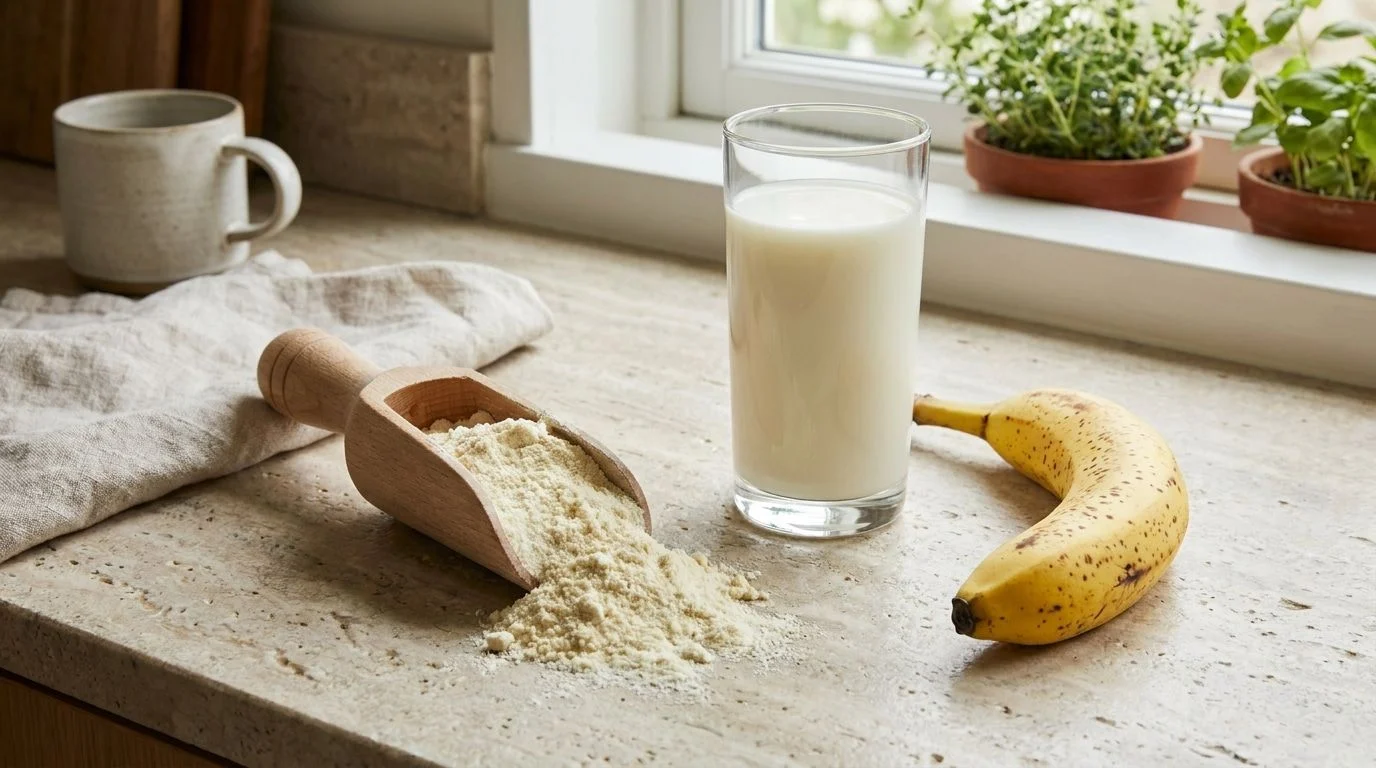
Blend a cup of milk (dairy, soy, or another protein-rich alternative) with a banana, a shake of cinnamon, and a scoop of protein powder if you’d like to boost the protein further.
9. Greek Yogurt Parfait
Greek yogurt has meaningfully more protein per serving than regular yogurt. Layer it with granola or cereal and fresh fruit in a glass or bowl, then top with chia seeds for extra fiber.
10. Cottage Cheese Bowl
Cottage cheese is a solid source of both protein and bone-supporting calcium. Top half a cup with fresh berries and a light drizzle of honey or maple syrup.
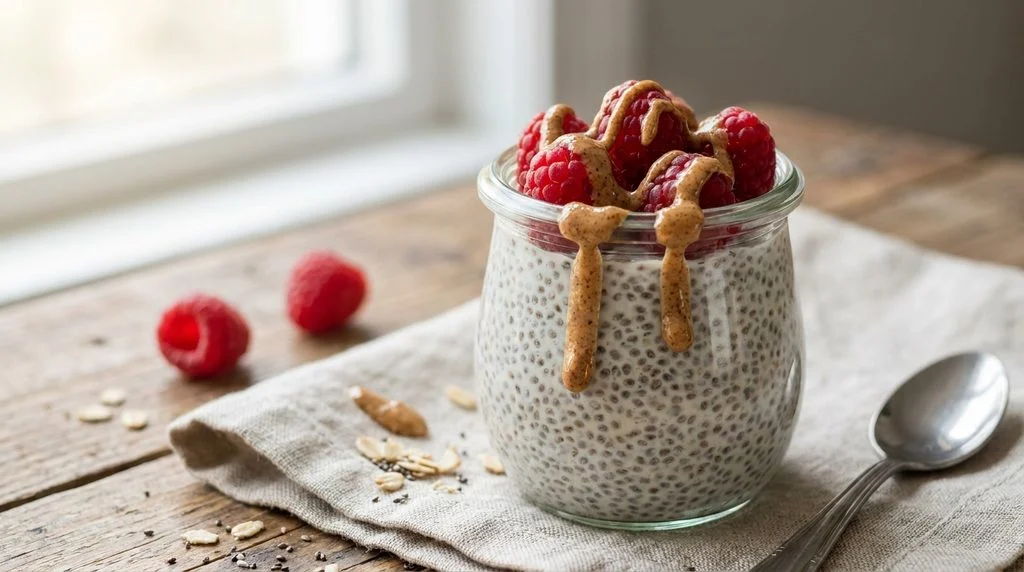
11. Chia Pudding
Stir together milk, chia seeds, and a touch of honey or maple syrup in a small jar, cover, and chill for a few hours (or overnight). Serve with a drizzle of nut butter and fresh raspberries.
For Kids Who Like Pancakes & Waffles
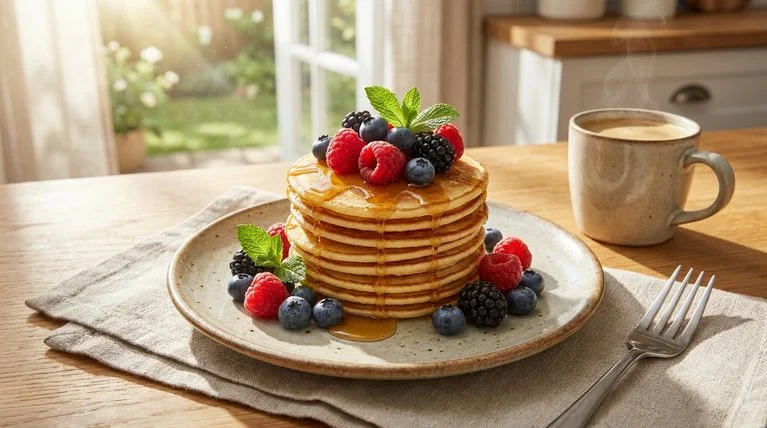
12. Cottage Cheese Pancakes
Pancakes made with cottage cheese and eggs deliver a real protein boost — and despite the name, they don’t taste like cottage cheese at all.
13. French Toast Tortillas
Dip whole-wheat tortillas in an egg-and-milk mixture with a dash of cinnamon, cook in a buttered skillet, then spread with nut butter and sliced banana (or scrambled egg and cheese) and roll up to eat.
14. Cottage Cheese Waffles
The waffle version of the pancakes above — same protein boost, same trick of not tasting like cottage cheese once it’s baked in.
15. Peanut Butter and Jelly Roll-Up
Whole grains tend to carry more protein than refined ones. Spread peanut butter on a whole-wheat tortilla, line sliced strawberries or raspberries down the middle, and roll up. Serve with a glass of milk.

For Kids Who Like Cereal & Oatmeal
16. Overnight Oats
Combine old-fashioned oats and milk (dairy or non-dairy) in a small jar the night before, adding a half-scoop of protein powder if you’d like an extra boost. Cover and refrigerate overnight, then top in the morning with sliced fruit, a spoonful of nut butter, or a drizzle of honey.
17. Make-Ahead Oatmeal Packets
Blend a portion of quick oats into a fine powder, then mix it back in with whole quick oats. Portion into individual bags or containers with a bit of brown sugar, a serving of peanut or protein powder, and toppings like freeze-dried fruit, nuts or seeds — ready to add hot water on a busy morning.
18. Quinoa Breakfast Porridge
Quinoa is a plant-based complete protein. Simmer cooked quinoa with milk on the stove, pour into a bowl, and top with sliced banana, pumpkin seeds and a drizzle of maple syrup.
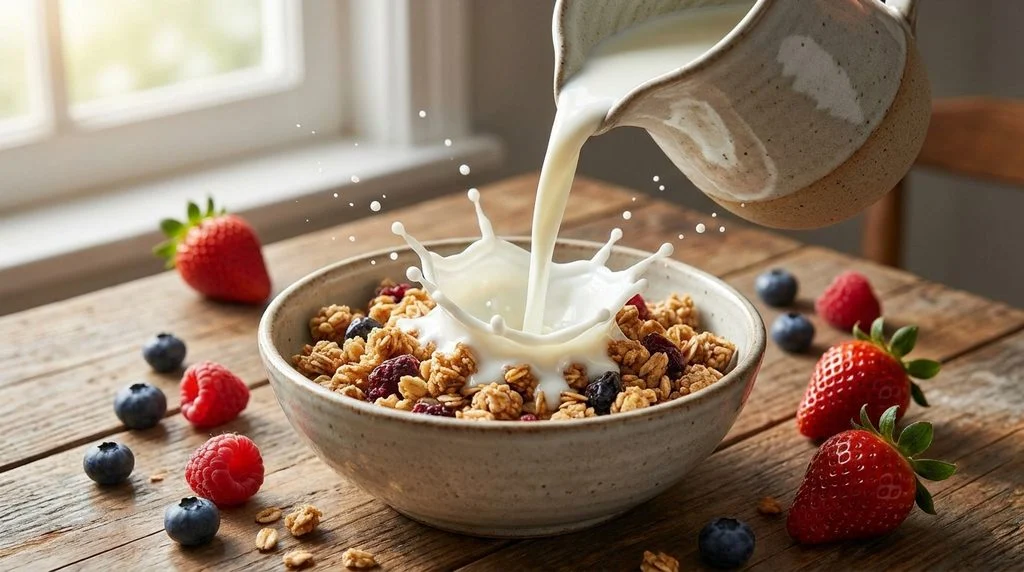
19. Cereal, Leveled Up
Pour a bowl of a protein-fortified breakfast cereal and add fresh berries, chopped nuts, and a sprinkle of hemp or pumpkin seeds along with milk.
20. Protein Granola
Granolas labeled “protein” typically add extra protein from sources like whey or soy protein isolate. Serve with milk (dairy, soy, or a protein-fortified plant-based milk) for an easy upgrade on a familiar favorite.
For Kids Who Like Toast & Bagels
21. Smoked Salmon Bagel
Spread a whole-wheat bagel with cream cheese, add a couple of slices of smoked salmon, and top with fresh arugula, spinach or sliced tomato.
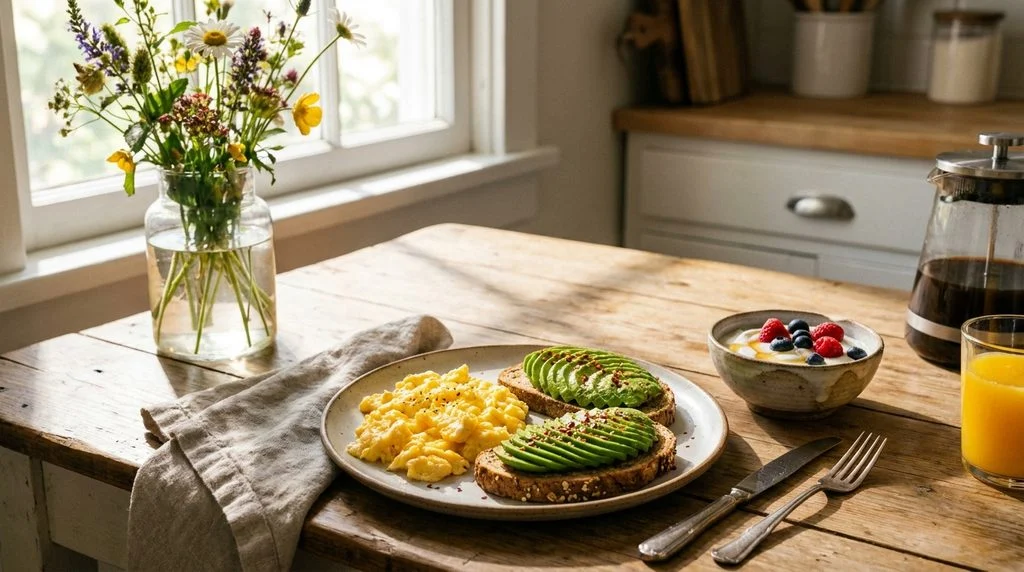
22. Avocado Toast With a Fried Egg
Avocado’s healthy fats make this satisfying on their own, but a fried egg on top adds real protein. Toast whole-grain bread (naturally higher in protein than white bread), top with smashed avocado, a sprinkle of salt, and the egg.
23. Ricotta Toast
Spread ricotta cheese onto whole-grain toast, add fresh berries, and finish with a light drizzle of honey.

For Everyone
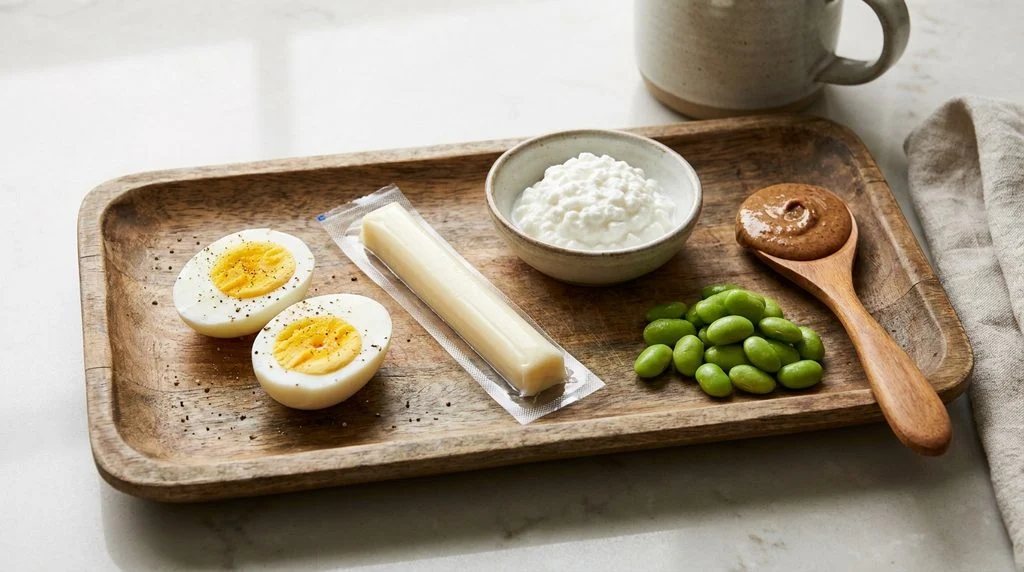
24. Protein Breakfast Box
Skip the pricey coffee-shop protein box and build your own in a reusable container — hard-boiled eggs, edamame, cheese, almonds and a scoop of whole-grain cereal make a solid grab-and-go option for a morning on the run.
25. Dinner Leftovers
Almost any food can be a breakfast food. If there’s something left over from last night that your kids already liked, reheating it is often the fastest high-protein breakfast of all.
Which Milk Has the Most Protein?
Not all milk is created equal when it comes to protein, and it’s worth knowing the general differences, since amounts can vary somewhat by brand:
- Ultra-filtered or lactose-free cow’s milk: highest protein content of common milk options, often close to double a standard glass
- Regular cow’s milk, soy milk, or pea-protein milk: all solid mid-range options with a meaningful amount of protein per cup
- Hemp milk: a moderate source, lower than dairy or soy but still contributing some protein
- Oat milk: contains only a small amount of protein per cup
- Almond, cashew, rice and coconut milk: the lowest in protein among common milk alternatives, sometimes close to none at all
If protein is a priority and your child drinks a plant-based milk, soy or pea-protein varieties are generally the closest nutritional match to dairy milk. Always check the label, since protein content varies by brand.
- Read More: High-Protein School Lunch Ideas for Kids
Easy Ways to Add Protein to Any Breakfast
If a favorite breakfast is a little light on protein, a quick add-on can help close the gap. Some reliable options and roughly how much protein they add:
- Cottage cheese (½ cup): about 14g
- Kefir (1 cup): about 10g
- Black beans (¼ cup): about 10g
- Edamame (1 cup in pods): about 9g
- Milk, dairy or soy (1 cup): about 8g
- One egg: about 6g
- Hemp seeds or chia seeds (2 tablespoons): about 6g
- Peanut or sunflower seed butter (2 tablespoons): about 7g
- String cheese (1 stick): about 6g
A quick note: these numbers are meant as a general reference, not something to track meal by meal. Counting grams of protein for kids isn’t necessary and can add stress that isn’t helpful for anyone.
How Much Protein Do Kids Actually Need?
It’s easy to assume kids need much more protein than they actually do. The basic recommended dietary allowances (RDAs) — the minimum needed to meet nutritional needs — are lower than many parents expect:
| Child’s Age | Grams of Protein/Day |
|---|---|
| 2–3 years | 13g |
| 4–8 years | 19g |
| 9–13 years | 34g |
| 14–18 years | 52g (boys), 46g (girls) |
Kids meet these numbers more easily than it might seem — a single cup of milk alone provides about 8 grams. This isn’t necessarily the ideal amount for every child (eating somewhat more is generally fine), but it’s a reassuring baseline for parents worried their child might be falling short.
Most kids get plenty of protein simply because so many everyday foods contain it, and it adds up naturally over the course of a day. Protein deficiency isn’t a common concern for most children. That said, some teenagers — particularly teen girls eating fewer calories overall — can be at higher risk of falling short, and a medical condition or extreme picky eating can also make it harder for some kids to get enough.
Is Protein Powder Safe for Kids?
Most protein powders are considered safe for kids and teens, and they can be a helpful option for extremely picky eaters who struggle to get enough protein from food alone. That said, whole foods are generally the better first choice, since they come with other nutritional benefits a powder alone can’t offer.
A few things worth keeping in mind if you do use protein powder:
- More isn’t automatically better. Getting too much protein — especially when a kid is also eating protein bars and eggs regularly — can be dehydrating and may crowd out other important nutrients.
- Check for allergens. Some protein powders use pea protein, which can cross-react for some kids with peanut allergies, so it’s worth reading the label carefully.
- Look for a short ingredient list. Many powders include artificial sweeteners and large doses of added vitamins and minerals a child doesn’t need — a simpler ingredient list is generally the better pick.
The Bottom Line
A high-protein breakfast doesn’t need to be complicated to make a real difference in how a kid feels and focuses through the morning. Pick a few of these ideas that fit your family’s actual routine, keep a couple of protein add-ons on hand for whatever’s already in rotation, and let that be enough — there’s no need to overthink it beyond that.