25 After-School Snacks for Kids That Fit Before Dinner
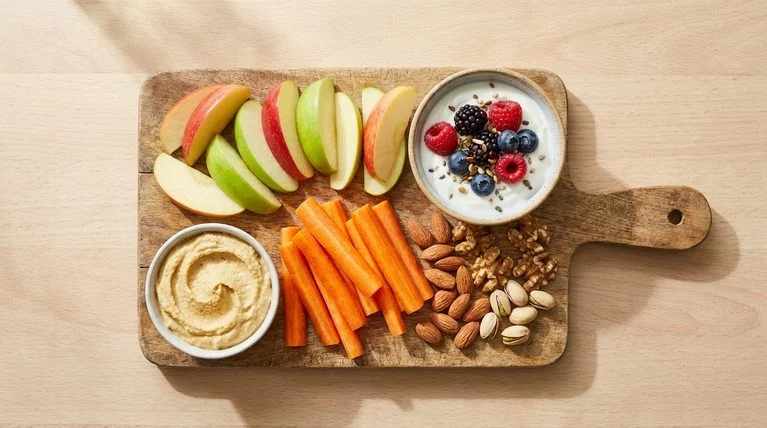
After-school snacks for kids need to do two things at once: take the edge off real hunger and leave enough appetite for dinner. The easiest way to manage that gap is to match the snack to the schedule. A child eating dinner in 45 minutes may only need something small, while a child heading to practice may need a more filling combination.
This guide gives you exactly 25 after-school snacks for kids, grouped by prep time and how hungry your child is likely to be. Each idea is distinct, easy to adapt, and realistic for a busy weekday. For a larger all-day collection, see our 100+ healthy snack ideas for kids.
How to Choose an After-School Snack
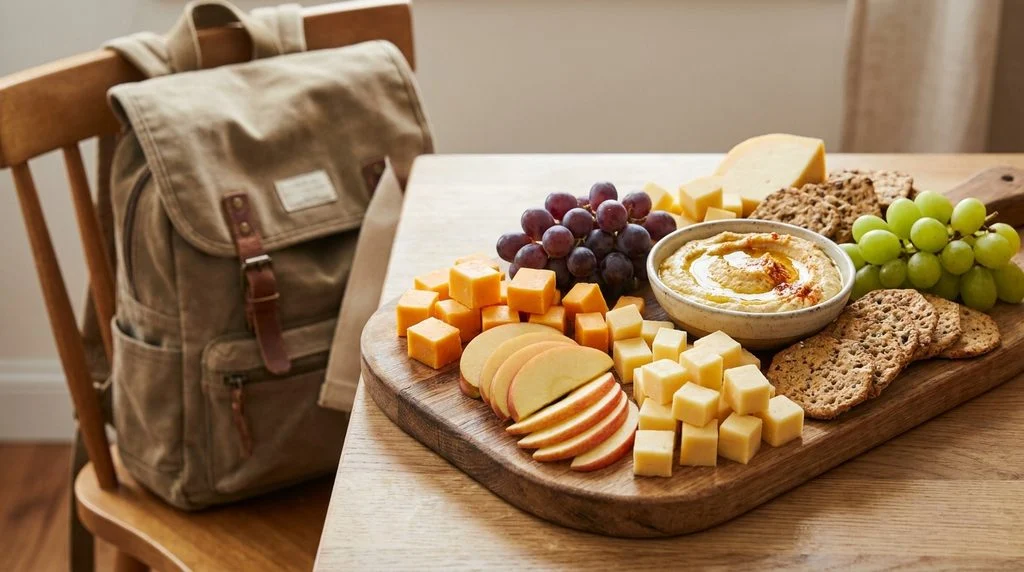
You do not need a complicated nutrition formula. For a snack that needs to last an hour or two, combine a familiar carbohydrate such as fruit, oats, or whole-grain bread with a source of protein or fat such as yogurt, cheese, egg, beans, hummus, or seed butter. When dinner is close, one simple food may be enough.
Start with a modest portion and let your child ask for more if they are still hungry. Appetite changes with age, growth, activity, lunch timing, and the day’s routine, so the same portion will not work every afternoon.
Five No-Prep After-School Snacks
1. Apple Wedges With Sunflower Seed Butter
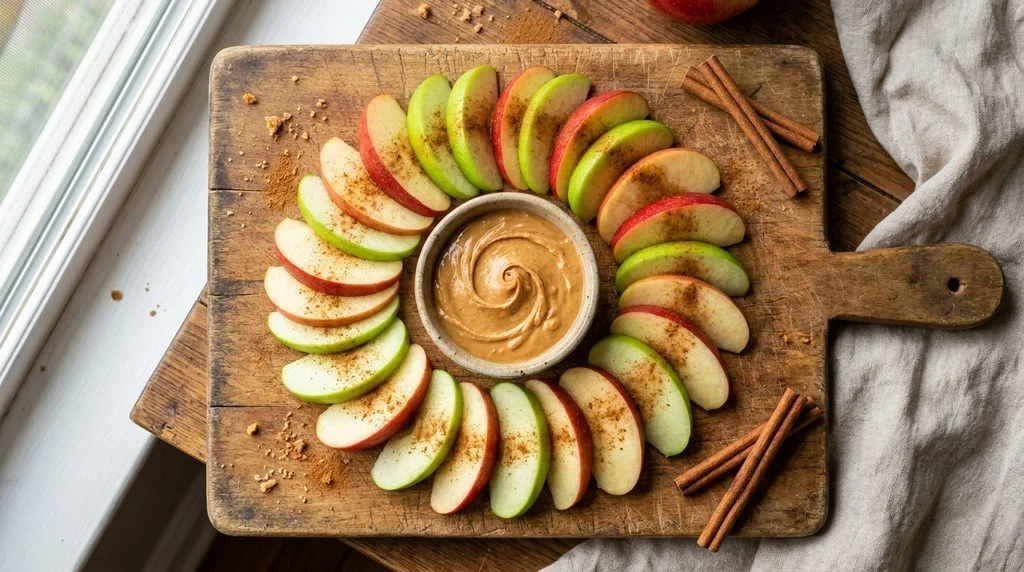
Slice an apple and serve it with a spoonful of sunflower seed butter for dipping. It has the familiar sweetness and crunch of fruit with enough staying power for the trip from school to homework. Sunflower seed butter is also a useful option when a home or school avoids peanuts and tree nuts.
2. Banana With Plain Greek Yogurt
Serve a small banana beside a few spoonfuls of Greek yogurt. Older kids can slice and stir it themselves, while younger children may prefer the banana mashed into the yogurt. Add cinnamon if your child enjoys it; no extra sweetener is necessary for a ripe banana.
3. Pear Slices and Cheese
Pair a sliced pear with a cheese stick or a few thin cheese slices. This is easy to portion, travels well in a chilled container, and works when a child wants something more substantial than fruit alone without eating a full mini-meal.
4. Unsweetened Applesauce With Graham Crackers
An unsweetened applesauce cup and a few graham crackers make a gentle, simple snack for days when a child comes home tired. Choose a portion that fits the time until dinner rather than opening a large sleeve of crackers automatically.
5. Cucumber Half-Moons With Cottage Cheese
Cut cucumber into easy-to-hold half-moons and serve it with cottage cheese as a dip or side. If the texture of cottage cheese is unfamiliar, blend it briefly for a smoother dip and add a mild herb your child already likes.
Five Snacks You Can Make in About Five Minutes
6. Hummus and Veggie Pita
Spread hummus inside half a small whole-grain pita and add thin strips of cucumber or roasted pepper. Cut it into two or three small wedges. The pocket keeps the filling contained, which makes this less messy than an open sandwich.
7. Egg and Whole-Grain Cracker Plate
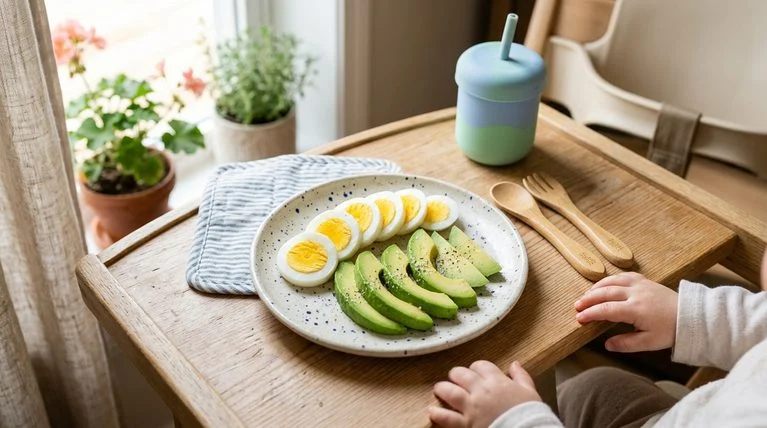
Slice a previously cooked hard-boiled egg and serve it with whole-grain crackers and soft tomato wedges. A batch of eggs cooked at the start of the week turns this into a five-minute snack. Keep the egg refrigerated until serving.
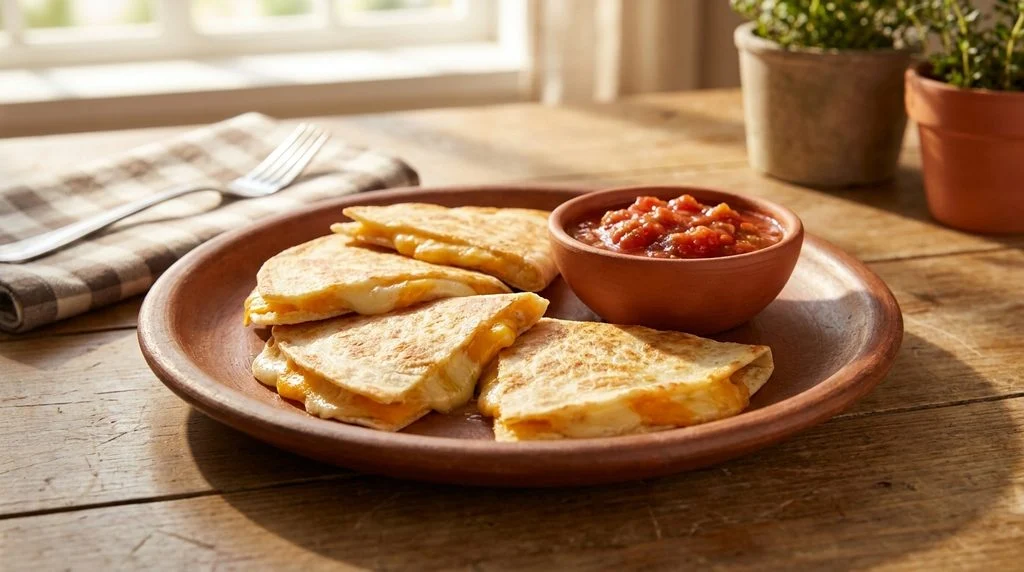
8. Mini Bean Quesadilla
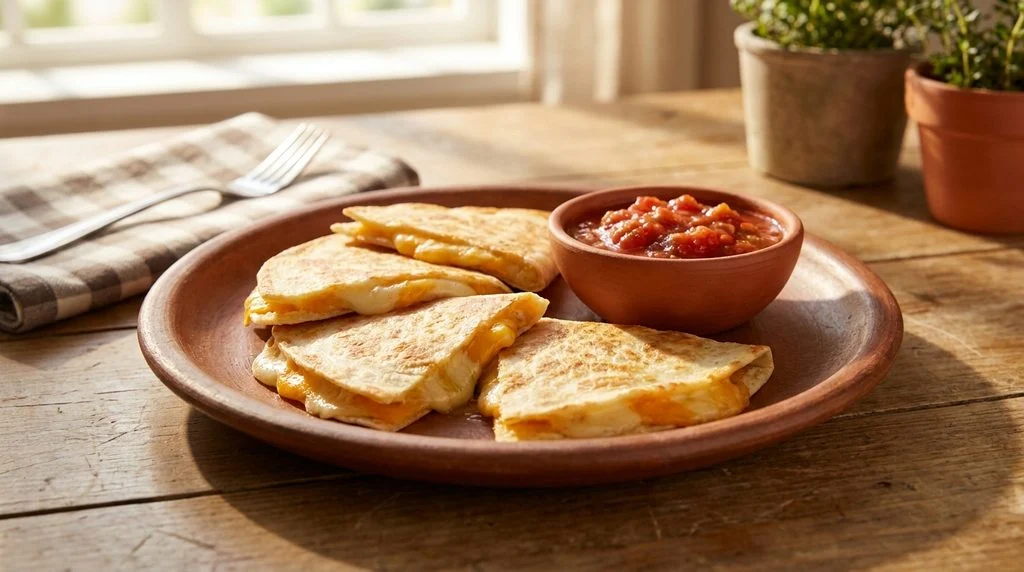
Spread mashed beans on half a small tortilla, add a little grated cheese, fold, and warm until the cheese melts. Cut it into narrow triangles and let it cool before serving. This is especially useful on days when dinner is still a couple of hours away.
9. Avocado Toast Fingers
Mash avocado onto one slice of whole-grain toast and cut it into fingers. A squeeze of lemon can slow browning, but skip it if your child prefers a plain flavor. For extra crunch, sprinkle on a few crushed pumpkin seeds if they are safe for your child.
10. Warm Berry Oatmeal Cup
Warm a small portion of plain oats with milk or water, then stir in thawed berries. It is a cozy option for a cold afternoon and easy to scale down when dinner is close. Let it cool to a safe temperature before handing it to a hungry child.
Five Make-Ahead Snacks for Busy Weeks
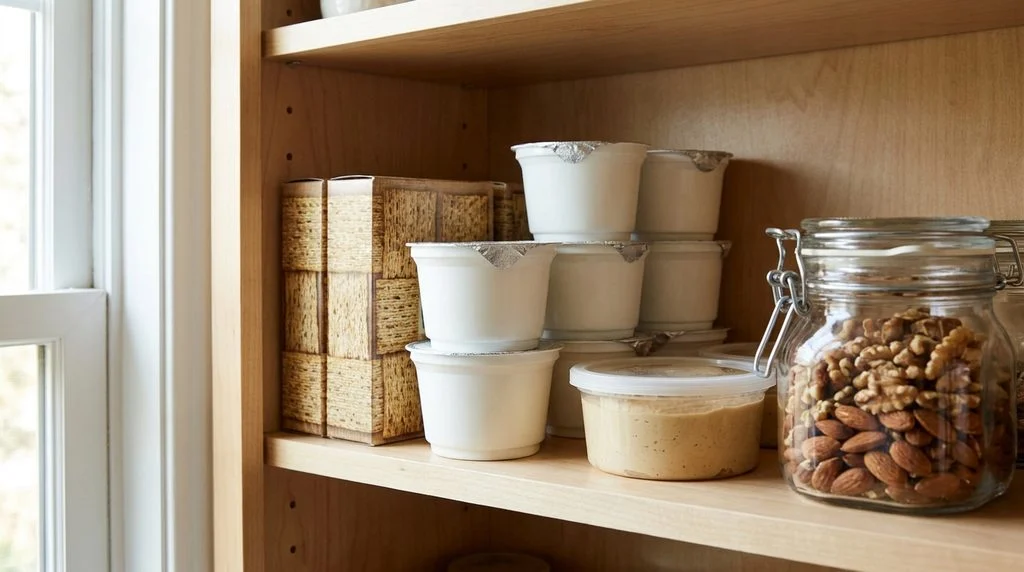
Prepare one or two of these on a quieter day rather than trying to stock every option at once. Label refrigerated items with the date, freeze extras when the recipe allows, and rotate choices so the same snack does not appear every afternoon.
11. Banana-Oat Mini Muffins
Bake mini muffins with mashed ripe banana, oats, egg, and a little cinnamon. Their small size makes portioning easier than using a large bakery-style muffin. Freeze a batch in a sealed container and thaw only what you need.
12. Yogurt and Berry Bark
Spread yogurt in a thin layer on a lined tray, scatter finely chopped berries over it, freeze, and break it into small pieces. Serve it straight from the freezer on warm days and return the remaining pieces before they soften.
13. No-Bake Oat Bites
Mix rolled oats with a family-safe nut, seed, or soy butter and enough mashed banana to hold the mixture together. Roll it into small bites and chill. Keep the texture soft rather than packing in whole nuts or large hard seeds.
14. Mild Roasted Chickpeas
Pat canned chickpeas dry, toss them with a little oil and a mild seasoning, and roast until crisp. This option suits older children who comfortably manage crunchy foods. For younger children, serve soft chickpeas lightly mashed instead.
15. Egg-and-Vegetable Mini Muffins
Whisk eggs with finely chopped cooked vegetables and a little cheese, then bake the mixture in a mini muffin pan. Refrigerate once cooled and reheat a portion until steaming, then let it cool to a comfortable eating temperature.
Five More-Filling Snacks for Late Dinner Days
16. Turkey and Cheese Roll-Ups
Roll a thin slice of turkey around a strip of cheese and serve it with a few soft pepper strips or crackers. Two small roll-ups are usually easier to manage than a full sandwich when a child still needs to eat dinner later.
17. Edamame and Orange Segments
Pair cooked, shelled edamame with peeled orange segments for a bright sweet-and-savory plate. Make sure the edamame is tender and choose another bean if soy is not suitable for your household.
18. Tuna and Cucumber Cracker Stackers
Mix a small amount of tuna with plain yogurt or mayonnaise, then let kids spoon it onto crackers and top each one with a thin cucumber slice. Refrigerate the tuna mixture until serving and make only the amount you expect to use.
19. Mini Pita Pizza
Top half a small pita with tomato sauce, grated cheese, and finely chopped vegetables, then warm it until the cheese melts. Cut it into strips and let it cool. This is a good bridge snack before an evening activity or a later-than-usual dinner.
20. Berry-Oat Smoothie
Blend milk or a suitable alternative with berries, a spoonful of oats, and half a banana. Keep the portion snack-sized rather than filling a large bottle. Serve it at the table so it feels like a planned snack, not something sipped continuously until dinner.
Five Lighter Snacks When Dinner Is Soon
21. Watermelon and Feta Cup
Combine small pieces of seedless watermelon with a light sprinkle of crumbled feta. It is refreshing, quick, and easy to keep small when dinner is less than an hour away. Use soft, age-appropriate pieces.
22. Bell Pepper Strips With Tzatziki
Serve thin bell pepper strips with a small spoonful of tzatziki for dipping. Steam or soften the pepper for a child who is not ready for a firm raw texture. A familiar dip can make a less familiar vegetable easier to try without pressure.
23. Small Bowl of Air-Popped Popcorn
For an older child who can safely manage popcorn, serve a small bowl lightly seasoned with cinnamon or a little grated cheese. Choose a softer alternative for younger children or anyone who has difficulty chewing crunchy food.
24. Homemade Fruit Ice Pop
Blend fruit with yogurt, milk, or water and freeze it in small molds. These are useful on hot afternoons when a child wants something cold but dinner is close. Keep the portion small and sit down to eat it rather than carrying it around.
25. Rice Cake With Mashed Berries
Mash soft berries and spread them over a plain rice cake just before serving. The topping adds flavor without turning the snack into a large meal. Break the rice cake into manageable pieces if that is easier for your child.
Allergy, Choking, and Storage Notes
- Adapt every idea to the child. Change the size, shape, softness, and crunch level to match age and chewing ability, and have children sit while eating.
- Use household-safe substitutions. Check labels and school rules for nuts, dairy, egg, wheat, soy, sesame, fish, and any other known allergens. Do not introduce a substitute that is unfamiliar to the family simply because it appears in this list.
- Keep perishable foods cold. Refrigerate yogurt, cheese, egg, meat, fish, cut produce, and prepared dips. Use a cold pack if a snack will travel, and discard food that has not been stored safely.
- Supervise younger children. Whole nuts, popcorn, hard raw vegetables, and firm round foods may not be suitable for young children. Use soft alternatives and age-appropriate cuts.
Keeping Snacks From Spoiling Dinner
If dinner is close, choose one of the lighter ideas and begin with a small amount. If dinner is two hours away or a child has sports, homework club, or another activity, use one of the more-filling combinations. A predictable snack time also helps prevent grazing through the entire afternoon.
Getting Kids Involved
Offer two suitable choices instead of asking an open-ended question: “Would you like the quesadilla or the pear and cheese?” Older children can wash produce, assemble stackers, portion crackers, or choose one make-ahead snack for the weekly plan. The goal is useful practice, not a perfectly styled snack board.
The Bottom Line
The best after-school snacks for kids fit the time until dinner, the child’s appetite, and the family’s real schedule. Keep two or three no-prep foods available, prepare one make-ahead option when you have time, and rotate from this list of 25 ideas. A practical snack does not need to be elaborate; it just needs to be safe, satisfying, and easy enough to repeat.