30 Healthy Snacks for Kids (And the Nutrition Behind Why They Work)
Snack time is one of the easiest opportunities to sneak extra nutrients into a child’s day. In fact, snacks make up a genuinely significant chunk of what kids eat — often around a quarter of their total daily calories, more than what they typically eat at breakfast or lunch. That makes the quality of those snacks matter just as much as the quality of an actual meal.
The good news: healthy snacking doesn’t mean bland or boring. Below are 30 kid-friendly snacks, along with the actual nutrition science behind why each one is a smart choice — so you can feel confident about what’s landing on the plate (or in the lunchbox).

1. Yogurt
Yogurt is an excellent source of protein and calcium, both essential for kids’ developing bones. Some varieties also contain live bacteria that support digestive health. Most yogurts marketed specifically to kids are loaded with added sugar — choose plain, full-fat yogurt instead, and sweeten it naturally with fresh fruit or a drizzle of honey. (Skip honey for infants under 12 months, as they’re at risk for infant botulism.)
2. Ants on a Log
Celery stuffed with peanut butter and topped with raisins delivers a solid balance of carbs, protein, and fat in one fun, hands-on snack. Just look for a peanut butter without added sugar or vegetable oils.
3. Nuts
Nuts are rich in healthy fats, fiber, and antioxidants — all important for supporting a child’s growth. Pediatric guidance has actually shifted in recent years: rather than delaying nut exposure, doctors now generally recommend introducing nuts early to help lower the risk of developing an allergy. Just make sure your child can safely handle the texture, since whole nuts can be a choking hazard for younger kids.
4. Popcorn
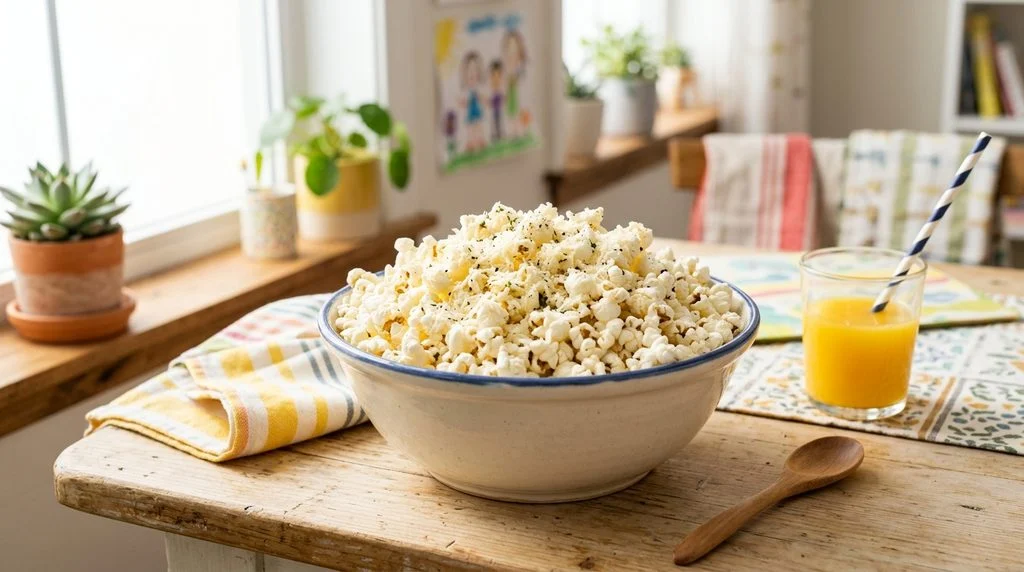
Despite its junk-food reputation, popcorn is actually a whole grain. Air-popped and lightly seasoned with a bit of butter and grated Parmesan, it makes a genuinely nutritious snack. Use caution with younger children, though, since popcorn can pose a choking hazard.
5. Trail Mix
Store-bought trail mix often hides chocolate candies loaded with sugar, but a homemade version — nuts, dried fruit, and a whole-grain cereal — makes a genuinely healthy, portable snack (as long as your child has no nut allergy).

6. Pears with Ricotta Cheese
Sliced pears are naturally sweet, easy for little ones to eat, and high in fiber and beneficial plant compounds. Spread each slice with a bit of ricotta for an added dose of protein and calcium.
7. Cottage Cheese
Soft enough for even infants to eat, cottage cheese is rich in protein and a good source of selenium, vitamin B12, and calcium — with B12 playing a key role in a child’s growth and brain development. Serve it plain, topped with fruit, or spread on whole-wheat toast.
8. Oatmeal
Oats are high in soluble fiber, which supports a healthy population of beneficial gut bacteria. Skip the sugary flavored packets and make oatmeal from scratch with rolled oats, a sprinkle of cinnamon, and diced apple for natural sweetness. Making it with milk instead of water adds a nice boost of protein and calcium too.

9. A Piece of Cheese
Cheese delivers protein, fat, and calcium in one convenient package. Research links dairy consumption to better overall diet quality, and full-fat dairy meaningfully contributes to a child’s needs for calcium, magnesium, and vitamins A and D. Some studies even suggest kids who eat cheese regularly may have a lower risk of cavities.
10. Veggie Pita Pocket
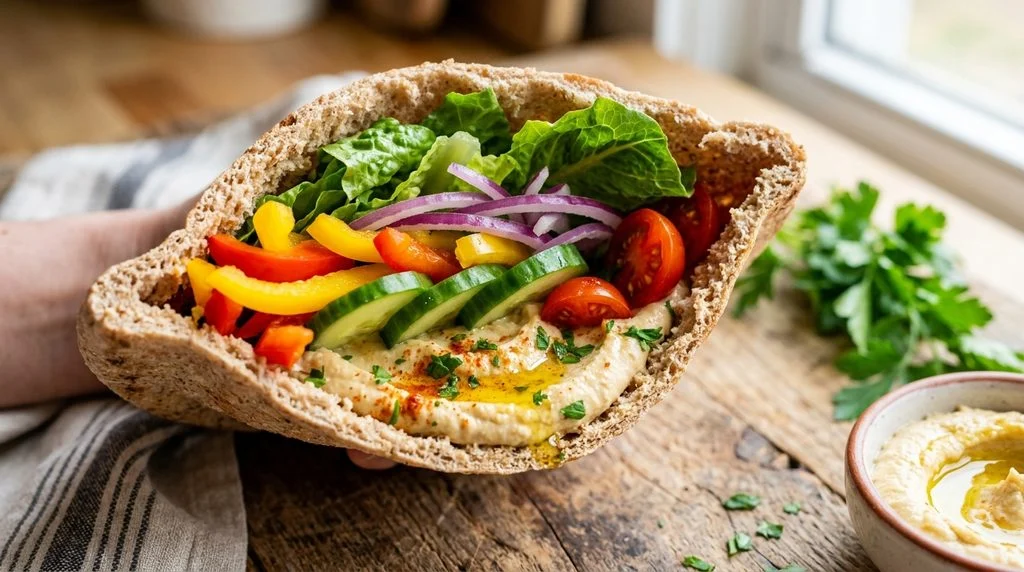
Getting kids to eat vegetables is easier when it feels like their own creation. Spread hummus in a whole-wheat pita and let your child pick and fill it with raw veggies like carrots, cucumber, lettuce, and bell peppers — a fun way to sneak in nutrients many kids fall short on.
11. Fruit Smoothie
Smoothies are an easy way to pack a lot of nutrition into a small snack — and with the natural sweetness of fruit, kids often won’t notice a handful of spinach blended in. Stick to whole, fresh ingredients and skip fruit juice, which is high in added sugar equivalents.
Simple berry smoothie: Blend 2 cups fresh spinach, 2 cups frozen berries, 1 cup plain yogurt, 1 cup milk (dairy or almond), and 1 tablespoon honey until smooth. Makes about 4 servings.
12. Hard-Boiled Eggs
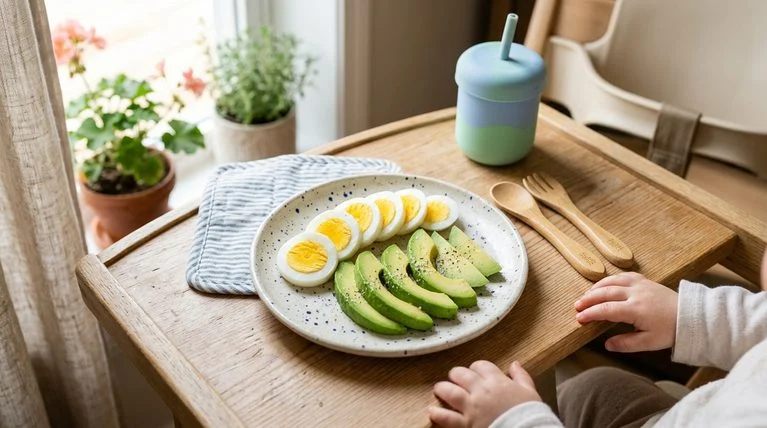
Eggs are genuinely nutrient-dense, offering high-quality protein along with vitamin B12, riboflavin, and selenium. They also contain lutein and zeaxanthin, two compounds that support eye health, plus choline — a nutrient essential for healthy brain development. Keep a few hard-boiled in the fridge for a quick grab-and-go protein snack.

13. Banana Oat Cookies
Sweetened naturally with mashed bananas instead of refined sugar, these cookies taste like a treat while avoiding the health concerns tied to excess added sugar in kids’ diets, including increased risk of heart disease and childhood obesity.
Recipe: Mix 3 mashed ripe bananas, 1/3 cup coconut oil, 2 cups rolled oats, 1/2 cup mini chocolate chips or dried fruit, and 1 teaspoon vanilla. Drop spoonfuls onto a greased baking sheet and bake at 350°F for 15–20 minutes.
14. Raisins
Dried grapes pack nearly all the nutrients of fresh ones into a much smaller, more portable package — including a decent amount of iron, a nutrient many kids don’t get enough of. Small raisin snack packs make an easy, healthier grab-and-go alternative to most convenience snacks.
15. Turkey and Avocado Roll-Up
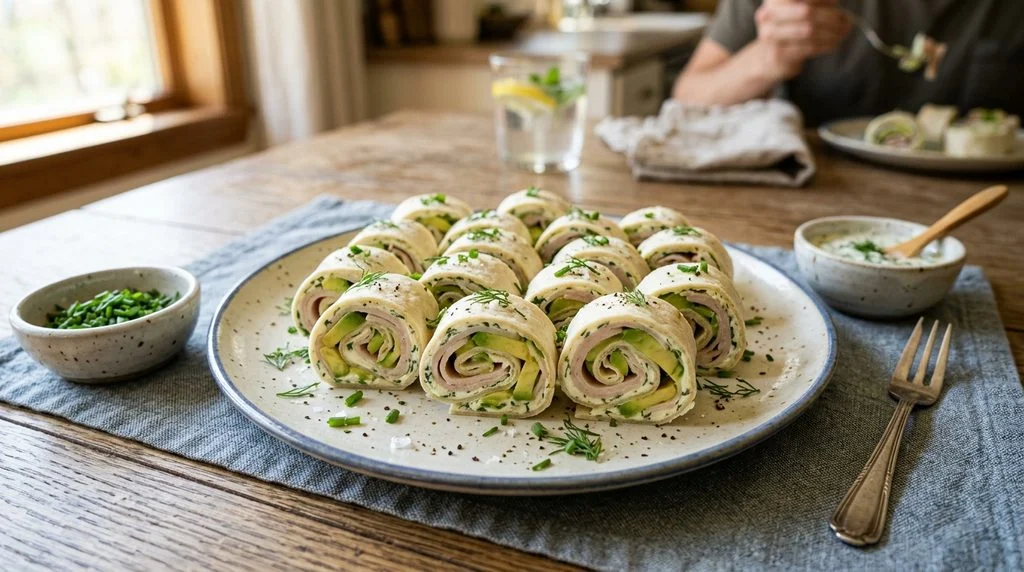
Turkey provides protein for building and repairing tissue, and its filling nature helps kids feel satisfied between meals. Avocado adds heart-healthy fats, fiber, folate, potassium, and vitamins C and K. To make it: slice an avocado, toss lightly in lime juice to prevent browning, then wrap a turkey slice around each piece.
16. Baked Sweet Potato Fries
Sweet potatoes are one of the richest sources of beta-carotene, which your body converts into vitamin A — important for healthy eyes and skin. Homemade baked fries are a genuinely nutritious swap for the fried version.
Recipe: Peel and slice one sweet potato, toss with 1 teaspoon olive oil, sprinkle with sea salt, and bake at 425°F for about 20 minutes.
17. Pickles
Fermented cucumbers are a good source of vitamin K, and some varieties contain live probiotic cultures that support digestive health. Look for refrigerated pickles with live cultures rather than vinegar-based ones, and skip sweet pickles, which tend to be high in added sugar.
18. Kale Chips
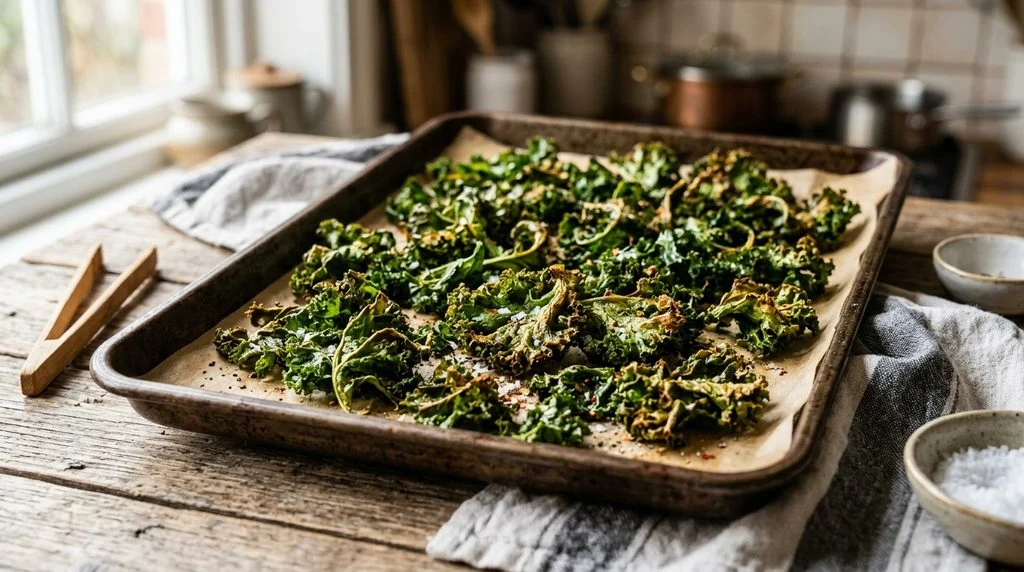
Kale is nutrient-dense and low in calories, offering plenty of vitamins A, C, and K. While most kids won’t reach for raw kale, crispy homemade kale chips can be a genuine crowd-pleaser.
Recipe: Tear kale into pieces, wash and dry thoroughly, toss with 1 tablespoon olive oil, garlic powder, and salt, spread on a baking sheet, and bake at 350°F for 10–12 minutes — watch closely, as it burns quickly.
19. Carrot Sticks and Hummus
Hummus is a creamy spread made from chickpeas, offering fiber, folate, and antioxidants — and it’s a genuinely effective way to get kids excited about eating raw vegetables.
20. Energy Balls
These no-bake bites taste like cookie dough but are made from nutrient-dense whole ingredients like oats, flax or chia seeds, and nut butter — a healthier alternative to most commercial granola bars, which tend to be high in added sugar and artificial ingredients.
Recipe: Mix 1 cup oats, 1/3 cup unfiltered honey, 1/2 cup almond butter, 1/2 cup ground flax seeds or chia seeds, 1 teaspoon vanilla, and 1/2 cup dried fruit. Roll into small balls and refrigerate.

21. Bell Peppers and Guacamole
Naturally sweet bell peppers offer fiber, vitamin C, and carotenoids — plant compounds linked to eye health support. Paired with creamy guacamole, they’re an easy sell even for picky eaters.
22. Whole-Grain Crackers and Nut Butter
A simple spread of nut butter on whole-grain crackers delivers a good balance of protein, carbs, and fat. Be picky about which crackers you choose, though — many are made with refined flour, hydrogenated oils, or even added sugar. Look for crackers made from 100% whole grains and seeds.
23. A Piece of Fruit
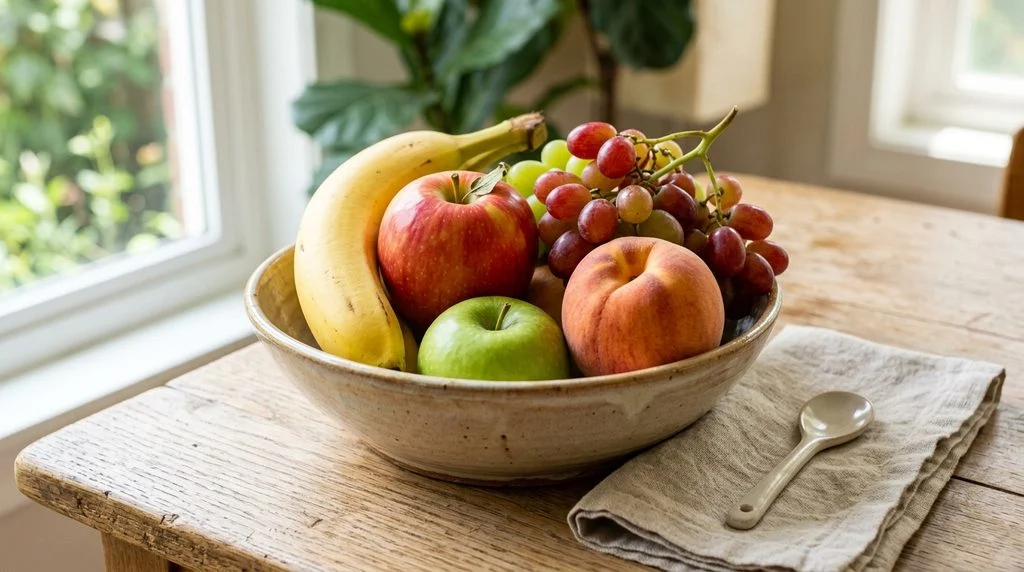
Simple, portable, and genuinely nutritious — most fruit delivers fiber along with key nutrients like potassium and vitamins A and C. Bananas, apples, pears, grapes, peaches, and plums all work as easy grab-and-go options, while pineapple, cantaloupe, and mango can be cut into bite-size pieces for convenient snacking.
24. Peanut Butter and Banana Quesadilla
Peanut butter provides healthy fats and protein, while bananas add potassium, vitamin B6, and fiber. Spread peanut butter over a whole-wheat tortilla, layer banana slices over half, sprinkle with cinnamon, fold, and slice into triangles.
25. Olives
Rich in healthy fats and powerful antioxidants that help protect the body from oxidative damage, olives are also soft and easy for kids to eat. Choose pitted varieties (or remove the pit yourself), and start with a mild black olive if it’s your child’s first time trying them.
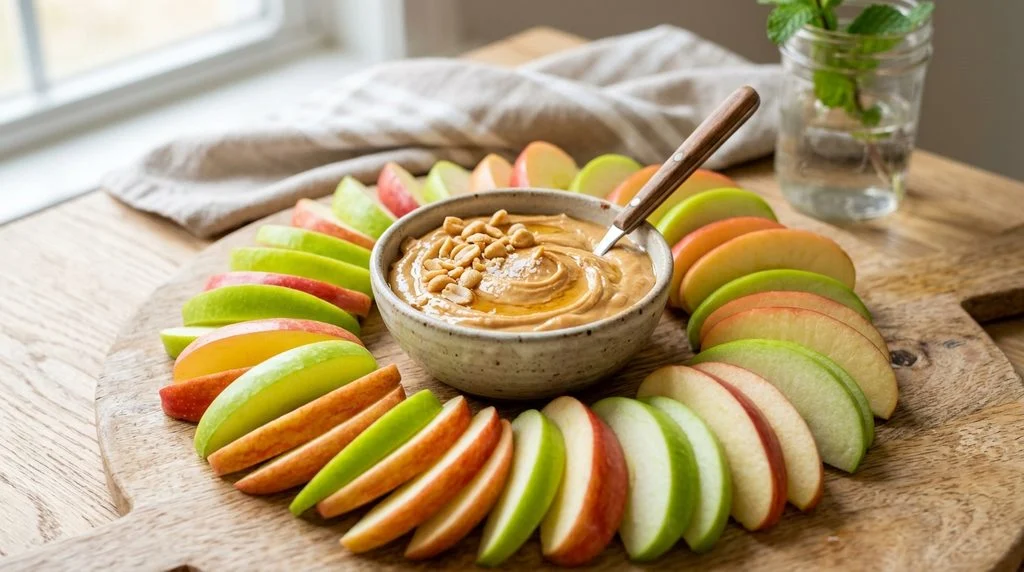
26. Apples and Peanut Butter Dip
The skin of an apple contains pectin, a soluble fiber that feeds beneficial gut bacteria. Since straight peanut butter can be too thick to dip with, mix a little plain, full-fat yogurt into two tablespoons of peanut butter for a smoother, creamier consistency.
27. Frozen Fruit Popsicles
Most store-bought popsicles are loaded with artificial flavors and refined sugar or high-fructose corn syrup. A homemade version — pureed frozen fruit and a splash of juice, frozen in molds — is a much healthier treat, and kids often love helping make them.
28. Half a Sandwich
Sandwiches aren’t just for mealtime. Half a sandwich built on whole-wheat bread with a protein source and a fruit or veggie makes a genuinely balanced snack. Try combinations like cheddar and thin apple slices, turkey with Swiss and pickles, or a hard-boiled egg with avocado and tomato.

29. High-Protein Yogurt Cups (Store-Bought)
For a convenient option, look for individual yogurt cups with around 15+ grams of protein and minimal added sugar or artificial sweeteners — genuinely hard to find, but worth seeking out. Letting kids pick their own flavor at the store can also make them more excited to actually eat it.
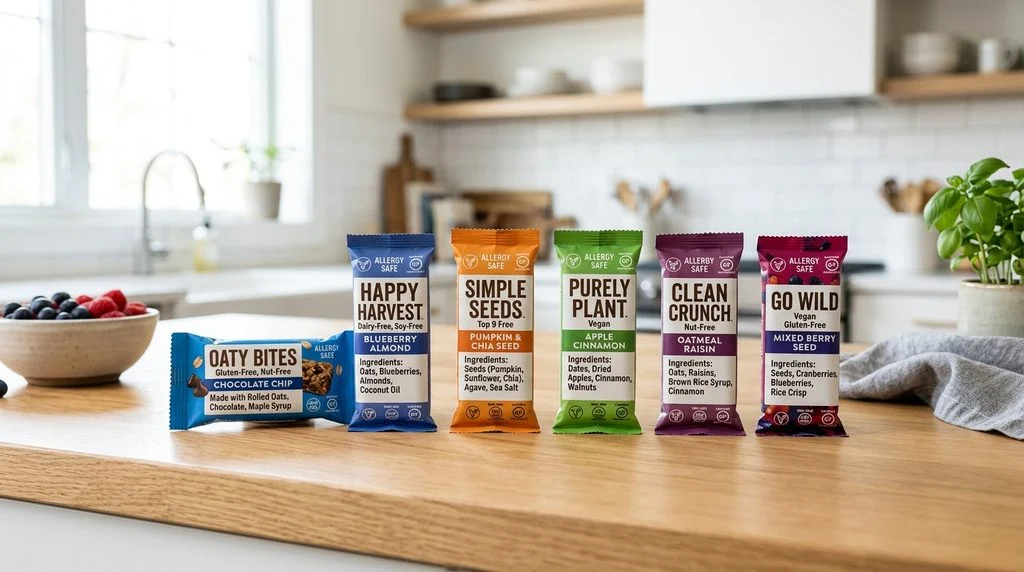
30. Allergy-Friendly Snack Bars (Store-Bought)
For kids with common food allergies, look for bars free of the top allergens (nuts, dairy, eggs, soy) that still deliver real nutrition — aim for options with a short ingredient list, a few grams of fiber, and a few grams of protein per serving, rather than bars that are essentially candy in disguise.
The Bottom Line
Many kids get genuinely hungry between meals, and a well-chosen snack can provide real energy along with nutrients they might otherwise miss during the day. As a general rule, favor whole, minimally processed foods over prepackaged snack foods — and when reaching for packaged options, keep portions snack-sized and check labels for added sugar. A little planning goes a long way toward making snack time something you feel good about, not just something to survive.